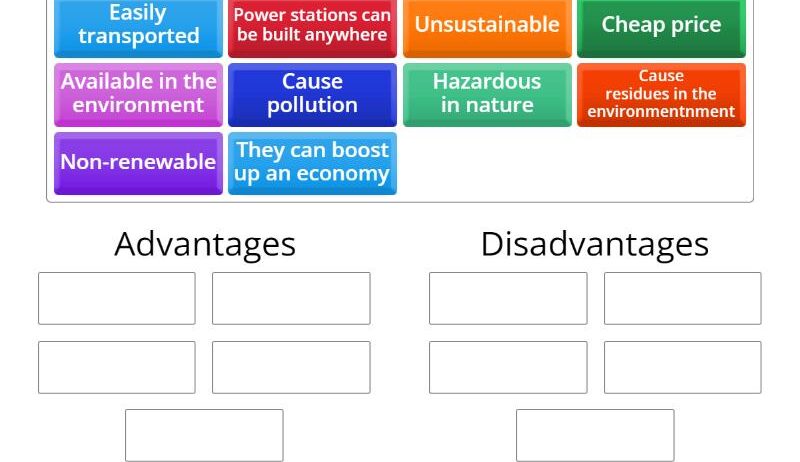

Fossil fuels have been the cornerstone of industrial development and energy consumption over the past century. As students delve into the complexities surrounding these natural resources, it becomes essential to examine not only their benefits but also the myriad challenges they present. This comprehensive exploration aims to elucidate the advantages and disadvantages of fossil fuels, providing students with a balanced perspective for informed discussions and decision-making.
Understanding Fossil Fuels
Fossil fuels, primarily coal, oil, and natural gas, are formed from the decomposed remains of ancient organisms, subjected to intense heat and pressure over millions of years. They are classified into three primary types:
- Coal: A solid fossil fuel, largely made up of carbon, utilized primarily for electricity generation.
- Oil: A liquid fossil fuel that serves as the primary source for transportation fuels such as gasoline and diesel.
- Natural Gas: Comprising mainly methane, this gaseous fossil fuel is used for heating, cooking, and electricity production.
Advantages of Fossil Fuels
1. Energy Density
One of the most compelling advantages of fossil fuels is their remarkably high energy density. Fossil fuels pack a significant amount of energy in a small volume, making them convenient for transportation and storage. This characteristic enables power plants to produce enormous amounts of electricity efficiently, meeting global energy demands.
2. Established Infrastructure
The infrastructure supporting fossil fuel extraction, refinement, transportation, and distribution is well-established and globally integrated. This allows countries that rely heavily on fossil fuels to benefit from a mature supply chain, promoting economic growth and job creation in various sectors.
3. Economic Impact
The fossil fuel industry is a significant economic driver in many nations. It generates substantial revenue through exports, supports local businesses, and provides millions of jobs. The tax revenue from these industries can also contribute to funding essential public services such as education and healthcare.
4. Versatility
Fossil fuels are versatile energy sources used across a broad spectrum of applications. From electricity generation to transportation, heating, and industrial processes, their utility cannot be overstated. This versatility ensures that fossil fuels remain a critical component in the energy mix of most countries.
5. Reliability
Fossil fuels provide a stable and reliable energy source, capable of delivering continuous power generation. Unlike some renewable energy sources that are subject to variability due to weather conditions, fossil fuels can deliver consistent energy output, making them integral to grid stability.
Disadvantages of Fossil Fuels
1. Environmental Degradation
While fossil fuels have propelled industrial progress, they come with a hefty environmental price tag. The extraction and combustion of fossil fuels release a slew of greenhouse gases, most notably carbon dioxide, contributing to climate change and global warming. Additionally, fossil fuel extraction processes can lead to habitat destruction, oil spills, and soil and water pollution.
2. Finite Resources
Fossil fuels are non-renewable resources, meaning their reserves are finite and will eventually be depleted. This fact raises serious concerns regarding energy security and sustainability. As reserves dwindle, the cost of extraction increases, placing additional economic burdens on societies reliant upon fossil fuels.
3. Health Risks
The combustion of fossil fuels not only contaminates the environment but also poses significant health risks. Air pollutants such as sulfur dioxide and nitrogen oxides are known to contribute to respiratory diseases, cardiovascular conditions, and other serious health complications. Communities located near fossil fuel extraction sites often face increased health risks due to exposure to pollutants.
4. Economic Volatility
The fossil fuel market is prone to fluctuations influenced by geopolitical factors, market demand, and technological advancements. Such volatility can destabilize economies, particularly in nations heavily dependent on oil and gas extraction. Abrupt price changes can lead to economic turmoil, impacting employment and investments.
5. Transition Challenges
As global awareness of climate change grows, the imperative to transition to renewable energy sources has become undeniable. However, the shift from fossil fuel dependency to sustainable alternatives presents substantial challenges. These include retraining workers, developing new technologies, and overhauling existing energy infrastructures, all of which can be daunting and resource-intensive undertakings.
Conclusion
The discourse on fossil fuels is complex, characterized by a duality of advantages and disadvantages. While they have driven technological advancement and provided energy security, their detrimental effects on the environment and public health cannot be ignored. As students explore these themes, it is crucial to cultivate a comprehensive understanding of the implications associated with fossil fuel usage. This knowledge will be vital for steering future energy policies toward a more sustainable and equitable energy landscape.