
The debate surrounding energy sources is akin to a modern-day odyssey, wherein our civilization traverses the dichotomous landscapes of renewable and nonrenewable energies. As the world grapples with the palpable consequences of climate change and diminishing resources, understanding the advantages and disadvantages of these energy types becomes an imperative journey. In this exploration, we shall unravel the intricacies of both energy categories, illuminating their unique appeals and inevitable shortcomings.
Renewable Energy Sources: A Beacon of Hope
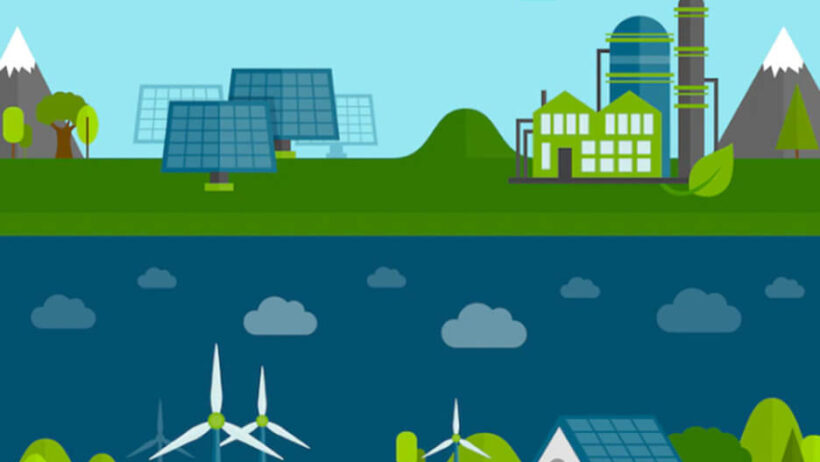
At the forefront of our quest lies renewable energy, a category which encompasses a plethora of resources, including solar, wind, hydro, geothermal, and biomass. These energy sources are often poetically regarded as nature’s inexhaustible gifts, turning sunlight, wind, and water into electricity. Let’s delve into the distinct advantages that make renewable energy so compelling.
Sustainable Abundance
Imagine the sun—a celestial body that radiates energy in quantities unfathomable to the human mind. This is the first and perhaps the most salient advantage of renewable energy: sustainability. Solar installations harness this vast potential, offering an ongoing supply that will outlast our civilization. Wind energy, with its relentless gusts, offers another inexhaustible reservoir of power. For these sources, the term ‘finite’ is an anathema.
Mitigation of Climate Change
As stewards of the Earth, we carry a profound responsibility: to mitigate the impacts of climate change. Renewable energy sources emit minimal to no greenhouse gases during operation, hence they serve as pivotal allies in our fight against global warming. The transition from fossil fuels to renewables is not merely beneficial; it is, in fact, paramount. Each solar panel installed and every wind turbine erected is, metaphorically speaking, a shield against the onslaught of climate devastation.
Energy Independence
Envision a nation liberated from the shackles of foreign oil dependency. The decentralization of energy production offered by renewable sources fosters energy independence, granting countries greater control over their energy future. Localized production harnesses the potency of regional resources, thereby diminishing reliance on imported fossil fuels. This democratization of energy promotes a sense of ownership and encourages resilience against market volatility.
Job Creation and Economic Growth
The burgeoning renewable energy sector is a fertile ground for economic growth and job creation. From manufacturing to installation and maintenance, the shift towards renewables generates employment opportunities across diverse skill levels. These are not merely jobs; they represent an investment in our future—the green collar workforce dedicated to sustaining our planet.
The Shadows Cast: Disadvantages of Renewable Energy
As with all narratives, the tale of renewable energy is not without its shadows. While the advantages are substantial, the pitfalls warrant our scrutiny.
Intermittency and Reliability
One of the most significant challenges that renewable energy sources face is their inconstancy. The sun does not shine perpetually, nor do winds blow consistently. This intermittency raises valid concerns regarding reliability and the ability to provide a stable energy supply. Utilizing renewable energy necessitates innovative solutions, such as energy storage systems and diversified energy portfolios, to address these inconsistencies effectively.
Land and Resource Use
The deployment of renewable technologies demands substantial land and resources. Solar farms consume large expanses of land, which can disrupt local ecosystems. Wind turbines, while elegant in design, can pose threats to wildlife and alter natural landscapes. Hence, the ethics of land use and the ecological ramifications must be considered when planning renewable energy projects.
Nonrenewable Energy Sources: The Double-Edged Sword
Conversely, nonrenewable energy sources—coal, oil, and natural gas—function as a double-edged sword, offering immediate benefits while simultaneously unearthing profound complications. These energy forms are often lauded for their high energy density, allowing compact sources to yield significant output.
Accessibility and Infrastructure
The existing infrastructure for nonrenewable energy is extensive and well-established. This advantage facilitates immediate access and affordability for consumers. The current economic systems heavily favor fossil fuels; they dominate the market, reflecting a consumer familiarity that is hard to displace. The labyrinthine networks of pipelines, refineries, and power plants represent a historical testament to human ingenuity and ambition. However, this accessibility comes at a cost, one that future generations are left to bear.
Economic Drivers
Similarly, fossil fuels are vital to the global economy, fueling industries that span the globe. They drive transportation, agriculture, and countless other sectors, generating extensive employment. Yet the financial incentives tied to fossil fuels can foster a reluctance to transition towards more sustainable practices. The allure of short-term profits can overshadow long-term sustainability, creating an inertia that is difficult to surmount.
The Environmental Toll
However, beneath this veneer of convenience lies an insidious threat. Nonrenewable energy sources exact an exorbitant ecological cost. The extraction processes, fraught with environmental degradation, release significant amounts of greenhouse gases. Oil spills, coal mining, and gas leaks underscore the havoc wreaked upon our planet. Each fossil fuel burned deposits toxins into the atmosphere, actionable consequences that reverberate across our climate and health.
Conclusion: The Path Forward
The landscape of energy is marred by complexities and paradoxes—as much an art as it is a science. As stewards of this planet, we face a conundrum that necessitates an informed reckoning. The advantages of renewable energy sources signal a need for a collective shift, urging us to embrace sustainability, yet we cannot dismiss the immediacy of nonrenewable energy in our current systems. Balancing these two forces, like a tightrope walk across a tempestuous sea, will define our path forward. May we choose wisely, for the fate of our environment lies within our hands.