
Wave power harnesses the energy of the ocean’s waves to generate electricity, making it an increasingly popular contender in the arena of renewable energy sources. As we grapple with the global imperative to transition to sustainable energy, wave power presents both remarkable advantages and considerable disadvantages worthy of exploration. While the allure of tapping into the inexhaustible force of our planet’s oceans fascinates many, it is imperative to scrutinize the full spectrum of implications inherent in this technology.
Advantages of Wave Power
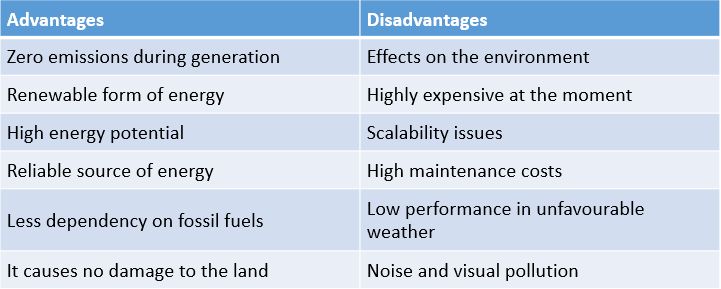
1. Abundant and Renewable Energy Source
The most compelling advantage of wave power is its abundance. The oceans cover approximately 71% of the Earth’s surface, presenting an expansive reservoir of energy. Waves are continuously generated by the wind and can produce a consistent and reliable power output, making them a renewable resource that promises sustainability.
2. Low Greenhouse Gas Emissions
In contrast to fossil fuels, wave power systems emit minimal greenhouse gases, aiding in the global effort to combat climate change. As the world grapples with rising temperatures and fluctuating weather patterns, adopting cleaner energy sources is an essential strategy for reducing carbon footprints.
3. High Energy Density
Wave energy possesses a significant advantage in terms of energy density when compared to other renewable sources such as wind and solar. The kinetic and potential energy contained within ocean waves is substantial, allowing wave energy converters to generate more electricity in a given area than solar panels or wind turbines. This high energy density enhances the feasibility of wave power as a practical energy source.
4. Predictability and Reliability
Unlike solar and wind energy, which can be intermittent and unpredictable, wave energy is more consistent. The regularity of ocean wave patterns provides a more reliable energy source, potentially allowing for better forecasting and integration into energy grids. By harnessing wave energy, utilities can better predict energy supply, mitigating concerns associated with energy shortages.
5. Potential Economic Benefits
The development and implementation of wave energy technologies have the potential to stimulate local economies. Investments in wave power can create jobs in manufacturing, installation, and maintenance. Furthermore, the establishment of wave energy farms may lead to increased tourism opportunities and enhance the technology-driven image of coastal regions.
Disadvantages of Wave Power
1. High Initial Investment Costs
Despite the promise of wave energy, the initial capital investment required to develop and deploy wave energy converters is substantial. The technology is still in the nascent stages of commercialization, and thus, the costs associated with research, development, and construction can pose a significant barrier for many investors and governments.
2. Environmental and Ecological Concerns
The deployment of wave energy converters can potentially disrupt marine ecosystems. The construction and operation of wave energy farms may alter local habitats, affect sediment transport patterns, and pose risks to aquatic life. Additionally, some devices could create noise pollution, impacting marine mammals that rely on sound for communication and navigation. Consequently, environmental assessments are crucial before any wave energy installations are made.
3. Technological Limitations
Wave energy technology is still developing, and many systems face ongoing technological challenges. Issues such as fatigue and corrosion from constant exposure to salty sea water can lead to mechanical failures. Moreover, the harsh marine environment can complicate maintenance efforts, making it difficult to ensure the long-term reliability of wave energy installations.
4. Limited Suitable Locations
Not every coastline is suitable for wave energy exploitation. Effective wave power generation requires specific geographical and oceanographic conditions. Areas with consistent wave patterns and appropriate water depths are not universally distributed, limiting the potential locations for wave energy development. This geographical disparity raises questions about energy equity and access to renewable resources.
5. Interference with Marine Activities
The establishment of wave energy installations can hinder commercial shipping, fishing, and recreational activities. The presence of large marine structures may necessitate the rerouting of shipping lanes or the restriction of fishing areas, leading to potential conflict between wave energy development and established marine industries. Striking a balance between energy generation and preserving existing maritime activities is essential for harmonious coexistence.
Conclusion
Wave power stands at the intersection of innovation and environmental stewardship. It embodies the potential to contribute significantly to our global energy landscape while also presenting distinct challenges that warrant careful consideration. As nations endeavor to transition towards sustainable energy solutions, understanding the myriad advantages and disadvantages of wave energy is crucial. The journey toward harnessing the ocean’s waves is as complex as the ecosystems they inhabit, demanding a measured approach that balances progress with ecological integrity. By confronting these intricacies head-on, societies can aspire toward a future where wave power plays a meaningful role in achieving energy security and sustainability.