
The Florida Everglades, often romanticized as a sprawling expanse of unblemished flora and fauna, presents a compelling case for examination beyond its superficial beauty. This unique ecosystem, frequently described as a river of grass, raises an intriguing question: are the Everglades actually a river? To unpack this complexity, one must delve into both the geographic nuances and the ecological intricacies that characterize this celebrated region.
At first glance, the Everglades might not fit traditional definitions of a river. Rivers are typically defined by their constant flow of water confined within a clear channel, winding through various landscapes. However, the Everglades defies this classification. Instead, it embodies a different aquatic phenomenon known as a “slow-moving river,” consisting of a vast wetland that serves as a unique drainage system for the surrounding region. It is a myriad of interconnected habitats, including marshes, swamps, and mangroves, all intricately linked to the Greater Everglades ecosystem.
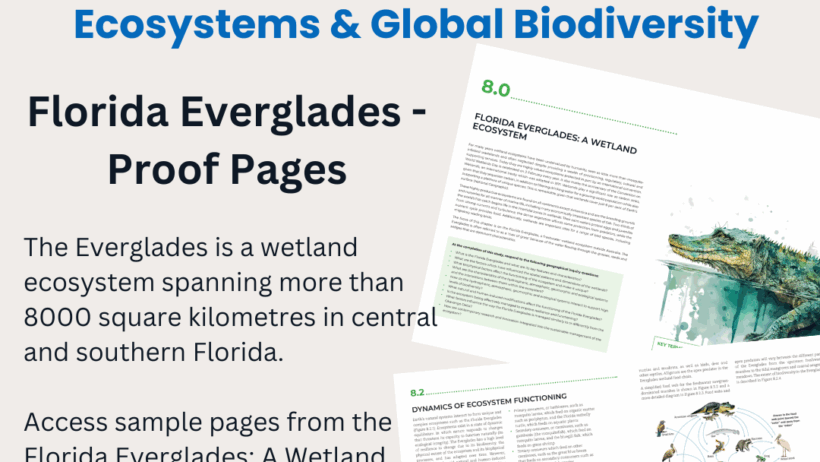
The geography of the Everglades is shaped by the subtle gradient of the land, beginning at Lake Okeechobee in the north and extending southward to Florida Bay. This topographical quirk fosters a gentle slope that allows water to flow gradually southward, creating the iconic slow sheet flow that provides life to the myriad species that inhabit this space. The Everglades spans approximately 1.5 million acres, marking it as one of the largest subtropical wildernesses in the United States. Its vastness adds to its mystique, leading many to ponder the complexities of its water flow and ecological diversity.
This brings us to the question of watershed dynamics. The Everglades operates as part of a broader watershed system, drawing water from a variety of interconnected sources, including rainfall, runoff, and groundwater. During the rainier months, surface water spills over, creating expansive flood zones that nourish the wetland ecosystem, while in the drier season, water levels recede, exposing land surfaces that support distinct plant communities. Thus, the Everglades can be perceived as a river, albeit one that pulsates with the rhythm of seasonal changes rather than a steady current. This characteristic ebb and flow is reflective of the ecosystem’s adaptability to its climate and hydrology.
In understanding the Everglades, it is essential to consider its unique position as a polyglot biome. It encapsulates a multitude of ecosystems, each with distinct climates, flora, and fauna. From the hardwood swamps dominated by cypress trees to the vast sawgrass prairies, biodiversity flourishes in this rare landscape. Approximately 1,000 plant species, 350 species of birds, and a suite of threatened and endangered species call the Everglades home. This remarkable abundance speaks volumes about the ecological health of the region, revealing an intricate web of interdependence where each species plays a pivotal role in maintaining equilibrium.
The allure of the Everglades extends beyond its biodiversity; it also encompasses its role as a crucial water purification system. As water flows through the wetlands, the abundant plant life naturally filters contaminants, improving water quality before it reaches surrounding bodies of water, including Florida Bay. This filtration process safeguards marine habitats and enhances the overall health of the ecosystem, creating a cascading effect that nourishes other areas.
Despite its allure, the Everglades faces numerous threats. Urban development, agricultural expansion, and climate change pose significant challenges to this delicate ecosystem. Water diversion projects that reroute water from the Everglades have altered its hydrology, leading to problems such as increased salinity and loss of biodiversity. Conservation efforts are critical to combating these challenges. The restoration initiatives, such as the Comprehensive Everglades Restoration Plan (CERP), aim to restore the natural flow of water and revitalize habitats, ensuring the sustainability of this vital ecosystem.
Integrating cultural significance into the ecological narrative of the Everglades, one cannot overlook the history of the Native American tribes that have long inhabited this region. For the Seminole and Miccosukee tribes, the Everglades is more than a physical landscape; it represents a storied relationship with nature that intertwines identity, survival, and cultural heritage. The historical interaction between these tribes and the wetlands adds a layer of depth to the understanding of the Everglades, emphasizing a symbiotic relationship with the land that is worth preserving.
As one contemplates the question of whether the Everglades is a river, it becomes clear that this ecosystem cannot be confined to a single definition. It embodies the complexities of nature and the protean character of water flow, demonstrating how geographic features coalesce to create a thriving environment. The Everglades deserves admiration not solely for its biological diversity but also for the intricate relationship between its topography and hydrology, which collectively fosters an unparalleled ecosystem.
Ultimately, the ongoing fascination with the Everglades stems from its dual identity as a waterway that challenges our perceptions of rivers and as a vibrant wilderness that sustains varied life forms. This unique ecosystem is a testament to the resilience of nature and the intricate balance that must be maintained in the face of human encroachment. As stewards of the environment, we are tasked with protecting the Everglades and the wonders it beholds, ensuring that future generations will continue to be inspired by its mysteries.