

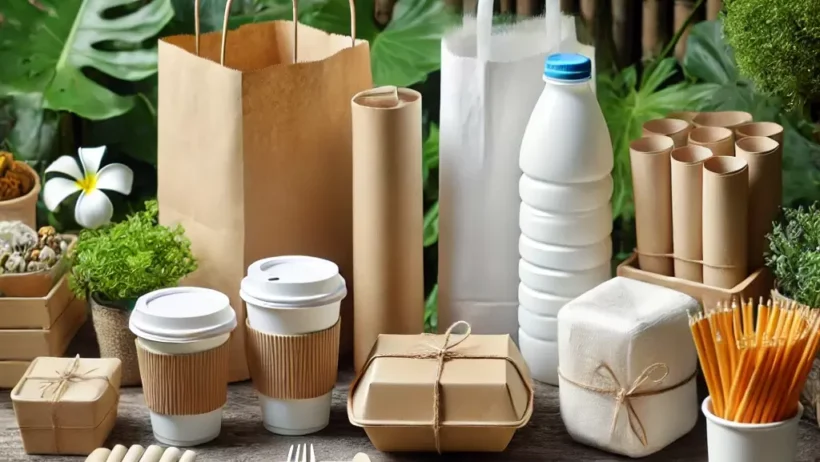

In the relentless pursuit of environmental sustainability, biodegradable packaging emerges as a beacon of hope. Especially within the beverage industry, this innovation holds the promise of transforming our relationship with material consumption and waste. As the world grapples with the ramifications of plastic pollution, understanding the myriad benefits of biodegradable packaging becomes imperative not only for our planet but also for consumer choices and corporate responsibility.
To commence, biodegradable packaging signifies materials that can be broken down by natural processes into non-toxic components, offering a stark contrast to traditional plastics which persist in ecosystems for centuries. This characteristic alone underscores a fundamental benefit—the significant reduction of landfill contributions. Conventional plastic bottles, for example, often find their way into natural habitats, where they can wreak havoc on wildlife and marine ecosystems. In stark juxtaposition, biodegradable packaging boasts an advantageous lifecycle, decomposing within months as opposed to the centuries required by its plastic counterparts.
A second notable advantage lies in the reduction of greenhouse gas emissions during production and disposal. Biodegradable materials, typically derived from renewable resources such as corn starch, sugarcane, and other plant-based substances, frequently require lower energy inputs to manufacture. This responsiveness to sustainable practices diminishes a company’s carbon footprint, fostering a climate of eco-consciousness that resonates with an increasingly aware consumer base. Transitioning to biodegradable packaging could thus be emblematic of a company’s commitment to a sustainable future.
The consumer experience offers another dimension where biodegradable packaging excels. In an age where eco-friendly choices dominate purchasing decisions, beverages packaged in biodegradable materials cater to a growing demographic of environmentally-conscious consumers. Whether it be an artisanal juice served in a compostable cup or an organic tea in biodegradable sachets, the presentation is not merely appealing but also aligns with an ethos of sustainability. With the right branding and messaging, companies can cultivate a loyal customer base eager to support businesses that prioritize environmental welfare. This reinforces an essential shift: sustainability is not postponed by inconvenience; rather, it becomes an integral aspect of the consumer experience.
However, the proactive benefits extend beyond merely pleasing consumers—it catalyzes market competition and innovation. As demand for biodegradable solutions escalates, industries are compelled to devise novel packaging approaches that prioritize sustainability. This ripple effect can lead to advancements in material science, resulting in innovative biodegradable alternatives that previously seemed unattainable. Research into new substances or combinations that dissolve more readily or enhance performance represents a frontier bursting with potential. As companies vie to pioneer the sustainable packaging space, the consequent advancements will undoubtedly heighten overall market standards.
Moreover, the impact of biodegradable packaging transcends practical applications, tapping into the emotive currents that drive consumer behavior. Consider the symbolism of choosing biodegradable over traditional packaging; it becomes an act of advocacy. Each purchase reinforces a narrative that prioritizes ecological integrity, creating a collective consciousness that unites consumers and brands alike in the battle against climate change. This movement resonates deeply, attracting those who value their role in legacy shaping—where each contribution matters, however small.
Nevertheless, amidst the enthusiasm, a prudent examination of the challenges faced by biodegradable packaging is imperative. There is an existing misconception regarding the efficacy of biodegradability in all environments. For instance, while these materials might decompose efficiently in industrial composting facilities, the conditions of home composting or natural environments could significantly alter their degradation timeline. Therefore, consumer education becomes pivotal; awareness regarding proper disposal methods is essential for maximizing environmental benefits. Companies must not only market biodegradable packaging but also inform consumers about the best practices for disposal and composting.
Moreover, transitioning to biodegradable materials often incurs higher costs, which could deter businesses from making the leap. The initial investment may seem daunting, but viewing it through the lens of long-term savings and brand loyalty reframes the decision in a favorable light. As consumer demand swells, incentives for sustainable procurement will likely lessen initial financial burdens over time. Additionally, regulatory trends indicate a future wherein sustainable practices will not merely be preferential but required. Staying ahead of legislative shifts may position companies as leaders in a landscape of inevitable transformation.
Consequently, the scaffolding that supports the growth of biodegradable packaging is multifaceted. The incorporation of these materials promises a paradigm shift that redefines not only product packaging but also the ethos of consumerism itself. Every sip taken from a beverage housed in biodegradable packaging bears witness to a commitment to sustainable practices, crafting a legacy for generations to come. As we navigate the complexities of our environmental predicament, embracing biodegradable options may represent one of the most tangible steps toward achieving a more sustainable future.
To encapsulate, the advantages of biodegradable packaging in the beverage sector are not solely environmental; they also catalyze economic growth, drive innovation, and forge a newer, shared narrative of sustainability among consumers and brands. As the global zeitgeist continues to evolve towards sustainability, exploring these innovative packaging solutions may not just be a trend but the cornerstone of a necessary movement. In summation, the dialogue surrounding biodegradable packaging is one of hope, progress, and steadfast commitment to the health of our planet—a dialogue that beckons careful consideration and proactive action.