
In recent years, the notion of smart cities has garnered significant attention, and one of the most ambitious ventures related to this concept is the development of a smart city by Bill Gates in Arizona. This project promises to be a groundbreaking initiative that could redefine urban living in numerous ways, provoking intrigue and speculation about its potential impacts on society and the environment.
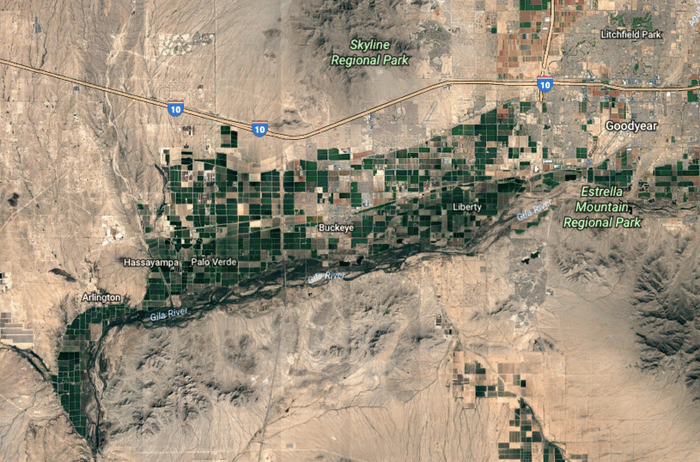
Located in the Phoenix metropolitan area, the proposed smart city—dubbed “Belmont”—is characterized by its emphasis on advanced technology and sustainable living. Covering an area of approximately 24,800 acres, Belmont is not just a mere collection of buildings; it envisions an integration of infrastructure, innovation, and natural elements, working harmoniously to create a modern, efficient, and eco-friendly urban space.
The fundamental premise of the Belmont project is to cultivate a community that utilizes cutting-edge technology to optimize aspects of daily life. This includes everything from transportation and energy management to public services and citizen engagement. Such aspirations shed light on an overwhelmingly positive potential for urban development, where residents encounter fewer obstacles in their daily routines and benefit from a well-oiled machine driven by smart solutions.
At the heart of the Belmont project lies the integration of Internet of Things (IoT) technologies. By embedding sensors and smart devices throughout the city, Belmont aims to collect and analyze vast amounts of data, enabling enhanced decision-making processes. Smart traffic systems could minimize congestion, while adaptive energy grids could ensure that renewable energy is efficiently harnessed, reducing the city’s carbon footprint. The ambitious inclusion of subterranean delivery systems is envisioned to minimize ground-level traffic, enhancing pedestrian pathways and promoting a healthier environment.
Moreover, Gates’ vision for Belmont extends beyond technological advancements. The project encompasses a substantial commitment to environmental sustainability. With water scarcity becoming an increasingly pressing issue in the southwestern United States, Belmont aims to incorporate responsible water management practices, including innovative approaches to recycling and conserving water. Such initiatives speak to a broader recognition of the environmental challenges that modern cities face, thus positioning Belmont as a potential blueprint for future developments that prioritize ecological integrity alongside urbanization.
The promises of Belmont are multifaceted, but they also elicit a degree of skepticism. Critics have raised questions about the feasibility of such an ambitious project. How will the costs be managed, and will the advantages genuinely materialize for all residents? Concerns about gentrification and the potential displacement of local communities must also be part of the discourse. Engaging with the local population and ensuring inclusive development are critical factors to prevent the creation of a tech utopia that serves only a select few.
In light of these challenges, it is essential to explore the latest updates regarding the Belmont initiative. As of now, construction has not yet commenced. The project is still in the preliminary planning stages, undergoing rigorous assessments, approvals, and revisions. Regulatory hurdles, local zoning laws, and environmental considerations are equally significant components that must be navigated with diligence.
The Arizona state government has displayed a degree of enthusiasm for the Belmont project, recognizing its potential to stimulate economic growth and attract tech industry investment. However, there remains a cautious optimism among those monitoring the developments. The settlement of smart technologies into the urban fabric presents challenges, as does ensuring that the local community—whose lives will be irrevocably altered—has a voice in how their environment evolves.
Belmont’s trajectory will undoubtedly influence the conversation surrounding smart cities. For advocates seeking to harness technology for public good, the outcome of this venture could manifest implications far beyond Arizona. Will other cities take note and adopt similar frameworks? Can Belmont become a prototype for how urban spaces should integrate technology and sustainability? The future of urbanization may hinge upon the answers to these questions.
Another layer to this narrative involves the post-pandemic global landscape. In the wake of COVID-19, there has been a heightened awareness regarding public health, mobility, and environmental factors. Belmont’s design principles resonate within this context, emphasizing a healthier lifestyle through the careful planning of green spaces, walkability, and autonomy in personal mobility. The envisaged community integrates amenities and parks that promote outdoor activities, enhancing both physical health and mental well-being. This is a crucial aspect of modern living, and Belmont aims to position itself at the forefront of these transformative aspects of urban design.
As the Belmont city project continues to evolve, it is imperative to sustain a dialogue amongst stakeholders that incorporates diverse perspectives. Local communities, environmentalists, technologists, and policymakers must find common ground in envisioning a future where urban growth does not come at the expense of ecological stability or social equity. The Belmont project may represent a microcosm of larger existential questions we all face regarding the trajectory of modern civilization.
In conclusion, while the vision for Bill Gates’ smart city in Arizona sparks curiosity and inspiration, it also prompts us to contemplate our values and priorities as a society. The journey from abstract ideals to the practical, lived experience of future inhabitants will be pivotal. Will Belmont embody a smart city that genuinely enriches life through innovation and sustainability, or will it serve as a cautionary tale? As the project progresses, insights gleaned from its development will undoubtedly shape our understanding of what urban living can—and should—entail.