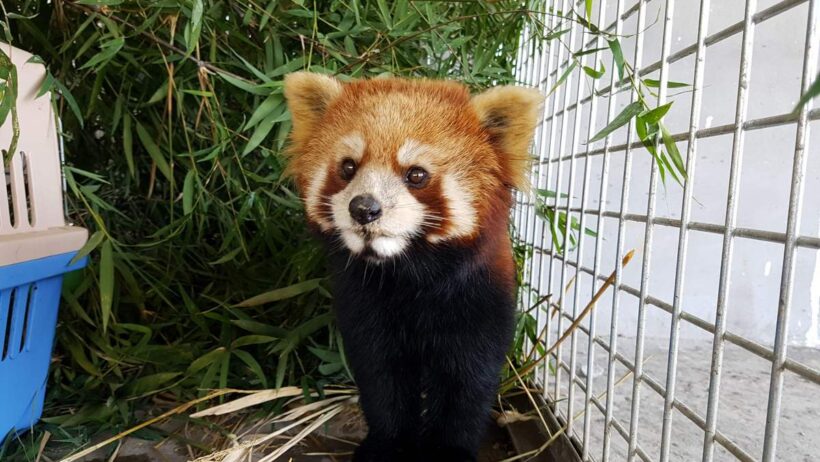

The allure of exotic pets often blinds individuals to the profound ethical and practical implications involved in their ownership. Among these captivating creatures, the red panda stands out with its whimsical appearance and playful demeanor. Derived from the Himalayas and known for its striking red and white fur, the red panda is a symbol of conservation efforts worldwide. However, the question remains: Can you own red pandas? This article delves into the exotic pet trade’s murky waters, the legal frameworks governing red panda ownership, and the myriad risks of such a decision.
1. Understanding Red Pandas: A Brief Overview
Red pandas, scientifically classified as Ailurus fulgens, are not closely related to giant pandas, despite their name. These arboreal mammals are primarily found in temperate forests of the eastern Himalayas and southwestern China. With their unique dietary needs—favoring bamboo but supplementing with fruits and insects—red pandas possess specific habitat requirements that are challenging to replicate outside of their natural environment.
Red pandas are classified as vulnerable due to habitat loss and poaching. The very traits that make them charming, such as their playful nature and appealing aesthetics, often lead to illegal trafficking within the exotic pet trade. Understanding the species’ status is crucial for any potential owner who might contribute further to its endangerment.
2. The Legal Landscape: Can You Own a Red Panda?
Before delving into the responsibilities of pet ownership, one must consider the legality of owning exotic species like red pandas. In many countries, including the United States, the ownership of red pandas is highly regulated or outright prohibited. The United States Fish and Wildlife Service (USFWS) classifies red pandas under the Endangered Species Act, making it illegal to own them as pets. Their status as a protected species means that even possessing one without proper permits can result in severe legal consequences.
Moreover, international regulations such as the Convention on International Trade in Endangered Species of Wild Fauna and Flora (CITES) impose additional constraints on the trade and possession of endangered species. Red pandas are listed under CITES Appendix I, which prohibits international trade except under extraordinary circumstances. Thus, private ownership is not only legally perilous but also environmentally detrimental.
3. The Ethical Considerations of Red Panda Ownership
While the legal framework might deter some, ethical considerations should weigh even heavier. Owning a red panda poses serious concerns regarding animal welfare. Captive environments often fail to replicate the lush, complex habitats found in the wild, leading to psychological and physical distress in these animals. Experts argue that the social nature of red pandas means they thrive in social groups and that keeping one in isolation is inherently harmful.
Additionally, the demand for red pandas as pets fuels a nefarious trade. Capturing these animals for the pet market often involves brutal methods, including poaching and habitat destruction. Engaging in this trade, whether directly or indirectly, perpetuates an industry that not only endangers red pandas but also numerous other species in the ecosystem. The ripple effect of individual choices can have catastrophic consequences on wildlife populations.
4. The Risks Associated with Exotic Pet Ownership
Beyond ethical and legal considerations, owning exotic pets like red pandas comes with inherent risks to the owner and their community. Red pandas are wild animals with instincts that can lead to unpredictable behavior. Potential owners may underestimate the challenges of keeping such an animal, which requires extensive knowledge and commitment to their complex care needs.
Habitual behaviors exhibited by red pandas, such as climbing, foraging, and making vocalizations, can lead to property damage and neighborhood disturbances. Additionally, as wild animals, they may carry diseases that can be transmitted to humans or other pets. Understanding these risks is crucial before considering ownership.
5. Alternatives to Ownership: Supporting Conservation Efforts
Instead of pursuing personal ownership, individuals who admire red pandas can engage in more responsible alternatives that positively impact these animals and their environments. Supporting conservation efforts involves donating to reputable organizations focused on habitat preservation and rehabilitation of red pandas in their natural habitats. Many zoos and wildlife sanctuaries also conduct educational programs, allowing enthusiasts to learn about these creatures without the need for direct ownership.
Adopting a red panda through these organizations can also be a meaningful way to contribute, as donations help fund conservation projects. This practice raises awareness and provides the necessary resources to protect these magnificent animals in the wild.
6. A Call to Awareness and Responsible Advocacy
In conclusion, the question of whether one can own a red panda encompasses a complex tapestry of legal, ethical, and practical considerations. While the fascination with these adorable creatures is understandable, potential owners must grapple with the profound implications of their desire to possess them. The legal framework broadly prohibits ownership due to their endangered status, but beyond legality, the ethical considerations underscore the urgent need for responsible and compassionate advocacy for red pandas. Rather than pursuing ownership, consider championing conservation initiatives that protect the integrity of their species and habitats. It is only through collective awareness and action that we can ensure future generations marvel at the charm and beauty of red pandas in their natural environment.