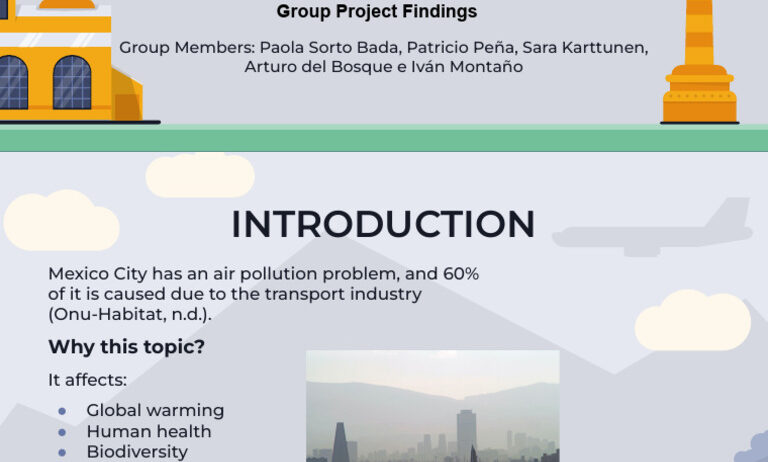

Air pollution in Mexico City is a multifaceted issue that has become increasingly concerning over the years, manifesting as a dire public health crisis and pressing environmental concern. With over nine million residents, the capital of Mexico faces a myriad of challenges due to its geographical location, burgeoning population, and reliance on various sources of emissions. Understanding the causes and effects of air pollution is essential for grasping the implications it has on the city’s inhabitants and the environment.
Geographical Vulnerability
The geographical layout of Mexico City plays a pivotal role in its air quality dilemmas. Nestled in a basin surrounded by mountains, the city experiences persistent thermal inversions. This meteorological phenomenon traps pollutants close to the ground, preventing their dispersion into the atmosphere. Consequently, during the dry season, the air quality deteriorates, creating a smog-laden skyline that poses health risks to millions.
Transport Emissions
One of the primary contributors to air pollution in Mexico City is the extensive transport system. The city boasts a vast network of vehicles—ranging from private cars to buses—each emitting considerable levels of carbon monoxide, nitrogen oxides, and particulate matter. The overwhelming reliance on fossil fuels, coupled with outdated vehicular technologies, exacerbates the situation. Although the government has implemented measures such as the “Hoy No Circula” program, which restricts vehicle circulation based on license plate numbers, the reliance on cars remains high.
In addition to personal vehicles, heavy-duty trucks, delivery vans, and buses have been cited as significant sources of pollution. Many of these vehicles do not comply with stringent emission standards. The persistent influx of goods into the city only intensifies traffic congestion, resulting in even more emissions spewed into the atmosphere. Notably, the lack of efficient public transportation alternatives forces residents to resort to personal vehicles, perpetuating the cycle of pollution.
Industrial Contributions
Industries within and around Mexico City also play a formidable role in contributing to air pollution. Factories emit a cocktail of volatile organic compounds (VOCs) and nitrogen oxides, both integral components of smog. The manufacturing sector, crucial for the city’s economy, must navigate the delicate balance between productivity and environmental stewardship.
Moreover, the lack of stringent regulatory enforcement allows for chronic violations of pollution control measures. Industries sometimes resort to practices that prioritize profit over sustainability, resulting in unchecked emissions that further degrade air quality. The juxtaposition of economic growth and environmental degradation creates an intricate dilemma for policymakers.
Household Sources
Air pollution is not solely an issue stemming from external sources; household activities contribute significantly as well. The use of solid fuels for cooking and heating, especially in lower-income communities, releases particulate matter and carbon monoxide directly into the living space. Additionally, household paints, cleaning agents, and aerosols often contain harmful chemicals that volatilize into the air, contributing to indoor and outdoor pollution.
Awareness campaigns regarding the harmful effects of these household practices are crucial, yet they often lag behind in their reach. Targeted educational initiatives could help mitigate pollution from these domestic sources, fostering a culture of environmental consciousness.
Health Implications
The effects of rampant air pollution in Mexico City manifest acutely in public health. Residents face increased incidences of respiratory diseases, cardiovascular complications, and exacerbation of pre-existing conditions such as asthma. The World Health Organization lists air pollution as a leading environmental risk to health, and the statistics corroborate this assertion. Children, the elderly, and individuals with prior health issues are particularly at risk.
Moreover, long-term exposure to poor air quality has been linked to diminished cognitive functions, developmental delays in children, and premature mortality. The economic burden of these health issues is substantial—costing the healthcare system millions of dollars annually, while also impacting worker productivity.
Environmental Repercussions
Beyond health ramifications, air pollution has far-reaching environmental consequences as well. The disintegration of ecosystems, acid rain, and a decline in agricultural productivity depict the troubling narrative of environmental degradation. Trees and plants, often touted as nature’s air purifiers, suffer from both direct exposure to pollutants and indirectly from the compromised soil quality, reducing biodiversity in urban settings.
Moreover, the interplay between air pollution and climate change cannot be overlooked. The emissions contributing to local air quality degradation also play a significant role in the global climate crisis. Black carbon and methane, prevalent in urban pollution, exacerbate global warming, creating a vicious cycle that threatens not only Mexico City but the planet as a whole.
Path Forward
Addressing the challenges of air pollution in Mexico City requires a multifaceted, coordinated approach. Implementing stricter regulations on emissions, investing in public transportation, promoting clean energy, and fostering community awareness are vital steps to improvement. Engaging citizens through participatory initiatives can cultivate a collective responsibility towards mitigating air pollution.
Collaboration between government, industry, and civil society is essential to forge innovative solutions and resilience in the face of pollution challenges. Mexico City stands at a crossroads: it can persist in the cycle of degradation, or it can emerge as a model for sustainability and health. The choice lies within its citizens, policymakers, and the industries that shape its landscape. There is no time to waste; the air cannot wait.