

Throughout the ages, fossil fuels have played a pivotal role in shaping the modern world. But which fossil fuel resource stands as the most abundant? This question invites us to explore the intricate tapestry of Earth’s natural resources, weighing the staggering quantities of coal, oil, and natural gas. Yet, as we embark on this insightful journey, let’s consider a playful challenge: Can we fathom a future where our reliance on these resources diminishes? This inquiry sets the stage for an exploration of abundance and scarcity within the realm of fossil fuels.
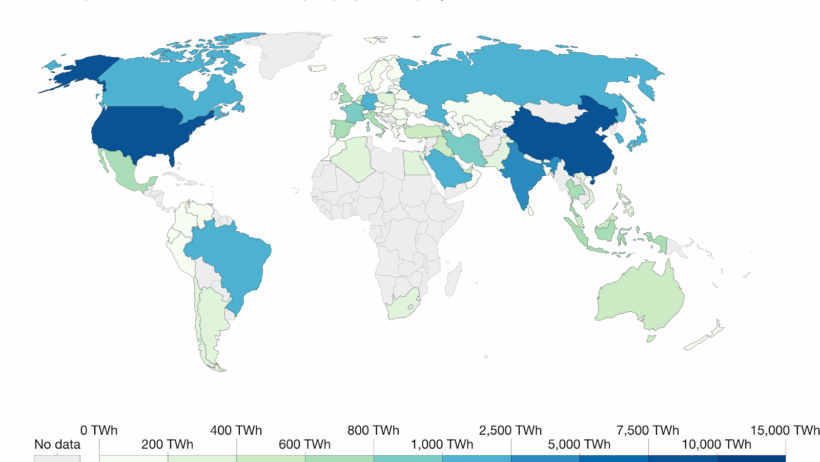
To begin, we must delve deeper into each of the major fossil fuel players. Coal, often regarded as the age-old stalwart of the energy sector, boasts staggering reserves that stretch across continents. According to the World Coal Association, countries like the United States, China, and India hold vast quantities, making coal a readily available resource. With an estimated 1.07 trillion tons of proven reserves, coal reigns supreme when it comes to sheer availability.
Is it possible for coal to lead the charge in abundance, all while the world grapples with the undeniable consequences of its combustion? The carbon emissions resulting from coal-fired power plants are notorious perpetrators of environmental degradation, leaving in their wake a trail of pollution and climate change. Thus, while coal’s stockpiles offer substantial fuel for industry, its environmental impact prompts us to reexamine its role in our energy future.
Now, let’s pivot our attention to oil, the liquid gold of the modern economy. When considering the abundance of oil, numbers can be quite astonishing. Globally, proven oil reserves stand at approximately 1.73 trillion barrels. The countries of the Middle East, particularly Saudi Arabia and Iraq, house extensive reservoirs that significantly contribute to these figures. Oil’s influence extends beyond mere energy; it permeates countless aspects of life, from transportation to manufacturing. But here lies a tantalizing question: Will the world continue to revolve around this finite resource? As we ponder this query, we must also acknowledge the fracking boom that has transformed the landscape of oil exploration in the United States, introducing previously inaccessible reserves into the global market.
But what of natural gas? Often regarded as the cleaner-burning fossil fuel, natural gas is abundant and versatile. Globally, proven reserves of natural gas sit at around 7,100 trillion cubic feet, spanning regions from the U.S. to Russia and Qatar. Natural gas has emerged as a favored alternative in the shift towards a lower-carbon energy future, providing a bridge while renewable sources of energy ascend. Yet as we reach for this potential, we must remain aware of the ecological challenges tied to its extraction, such as methane emissions that can significantly impair its climate benefits.
In assessing the relative abundance of these fossil fuel resources, it’s evident that coal, oil, and natural gas are all formidable contenders. However, considering the vast reserves, coal briefly claims the title of the most abundant fossil fuel resource. It’s a sobering realization given its harmful effects on the planet. The weighty discourse surrounding fossil fuels requires a discerning approach. Is abundance synonymous with sustainability? As we plumb the depths of this question, it becomes imperative to peer beyond the sheer numbers and reflect on the environmental ramifications that accompany our fossil fuel fortune.
It’s essential to acknowledge the shifting landscape of energy needs and the increasing momentum of the renewable energy revolution. The rise of wind, solar, and hydropower is transforming how we conceptualize energy abundance. In doing so, it poses an exciting juxtaposition: Can renewables usurp traditional fossil fuels as the primary source of energy, marking a paradigm shift towards a sustainable future? As countries enact policies to curb emissions and transition towards greener energy solutions, the landscape of fossil fuel consumption may undergo profound changes.
To further complicate matters, geopolitical dynamics play an influential role in the abundances and availabilities of fossil fuels worldwide. Conflicts and allegiances affect drilling rights, trade, and investment in alternative energy infrastructures. The oil embargoes of the 1970s serve as historical reminders of the fragility inherent within fossil fuel dependence, highlighting vulnerabilities in energy security and global relationships. As we eye the horizon, how can nations balance their energy demands with a commitment to protecting the planet?
Ultimately, the quest for the most abundant fossil fuel resource sheds light on a deeply entangled web of functionality and responsibility. As we navigate through coal, oil, and natural gas, we ought to consider the trajectories ahead. Are we locked into a finite existence dependent on these resources, or can innovation ignite a transformative revolution in energy production? This playful challenge remains at the forefront of discourse among environmentalists, scientists, and policymakers alike.
In conclusion, while coal emerges as the most abundant fossil fuel resource, it also serves as a stark reminder of our energy choices and their inherent costs. The exploration of oil and natural gas unveils avenues to cleaner energy alternatives, yet the path forward requires vigilant stewardship. As we take the incremental steps toward a sustainable future, can we envision a world where our dependencies shift, transforming the very definitions of abundance? With each passing day, the balance between fossil fuel consumption and environmental preservation continues to demand our attention, urging us to confront our roles within this narrative.