

In the vast expanse of our oceans, a sinister phenomenon lurks beneath the surface, reminiscent of a treacherous underwater desert. These areas, known as “dead zones,” signify the burdens that human activity has imposed on marine ecosystems. Like a forgotten graveyard, life once flourished in these regions, but now they stand as shadows of their former selves, stripped of vitality and plagued by apathy. Understanding the genesis, ramifications, and potential remedies of dead zones is both urgent and imperative as we strive to safeguard our planetary resources.
Dead zones primarily arise from an excess of nutrients, particularly nitrogen and phosphorus. These nutrients often seep into the ocean through runoff from agricultural fields, urban areas, and wastewater treatment facilities, creating a veritable banquet for algae. This is akin to pouring fertilizer on a wilting garden; while the immediate effects may appear beneficial, the long-term consequences are catastrophic. When algae bloom, their rapid multiplication leads to hypoxia, a state where dissolved oxygen levels decline to such perilous lows that aquatic life cannot survive.
Rather like a choking vine that engulfs a vibrant tree, these algal blooms can suffocate marine ecosystems, rendering them inhospitable to fish, shellfish, and countless other organisms. As the bloom expands, in its wake, it leaves a trail of death—a phenomenon aptly dubbed “eutrophication.” The aftermath is a stark reminder of nature’s delicate balance; the death of aquatic life forms diminishes biodiversity, disrupts food chains, and ultimately affects human populations that rely on these ecosystems for sustenance.
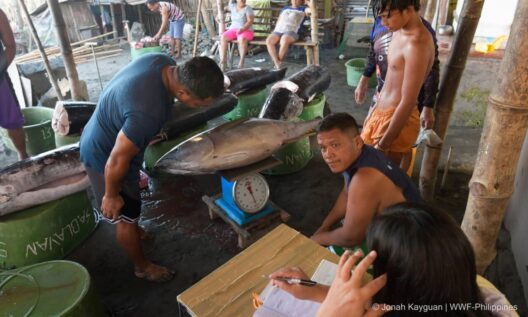
The effects of dead zones stretch far beyond the shores of individual coastal communities. Fishermen, once hopeful custodians of the sea, find their nets pulling up less and less, struggling against the clutches of an unfamiliar and hostile environment. Economies flounder as commercial fisheries falter, and the specter of food insecurity looms larger for communities dependent on marine resources. The collapse of these ecosystems encapsulates a broader tragedy—one where the relentless pursuit of short-term gain undermines the intricate web of life that sustains our planet.
More distressingly, the consequences of dead zones reach into the realm of climate change. Warmer waters exacerbate algal blooms, creating a vicious cycle that perpetuates the degradation of marine environments. Additionally, bacteria that break down the deceased organisms in these zones release substantial amounts of greenhouse gases, notably carbon dioxide and methane. Hence, our negligence regarding ocean health escalates the very specter of climate change that threatens our global equilibrium. The ocean, our blue planet’s lifeblood, inverts from ally to adversary due to our acts of commission and omission.
Yet all is not lost. The dire situation of ocean dead zones demands our attention but also our action. Addressing the causes at their source is paramount. Agricultural practices such as nutrient management can mitigate runoff; implementing buffer zones that allow nature to filter out excess nutrients before they reach the ocean can be effective. This fundamental shift marks the first step toward mending our relationship with the land that nourishes us and the waters that surround us.
Moreover, modernized wastewater treatment technology offers a solution as well, capturing nutrients before they can wreak havoc in aquatic environments. Systems that incorporate natural processes, such as constructed wetlands, utilize biological filtration methods. These systems act like nature’s own filtration unit, demonstrating our capacity to align technology with ecology. Furthermore, conscientiously addressing urban planning can prevent runoff, reflecting a societal shift toward sustainability and responsibility.
Community engagement plays a crucial role in restoring the health of our oceans. Education about the impacts of dead zones is vital; understanding that every action counts fosters a culture of stewardship. Initiatives that include local community members in monitoring water quality, organizing cleanups, or even advocating for policy changes can reignite a sense of ownership over marine resources. When communities collectively rally toward a common goal, they harness a powerful force for change.
Global cooperation is equally essential. Dead zones are not constrained by borders—they are interconnected threads in the intricate tapestry of our planet’s ecosystems. International partnerships focused on shared education, research, and management can provide the framework necessary to combat these issues on a grand scale. Any solution must echo the ethos of reciprocity, where countries acknowledge their interdependence and collaborate for marine health for the benefit of all.
As we navigate the turbulent waters of environmental change, the fate of our oceans hinges on deliberate attention and concerted action. Dead zones serve as stark reminders of our responsibility to protect the life we harbor within our seas. With every effort, from small-scale community action to international collaboration, we can move toward revitalizing these forgotten regions, transforming them from barren wastelands back into vibrant ecosystems. The ocean’s call to us is clear: we can either allow these zones to persist as echoes of neglect or rise as guardians of our blue planet, wielding the tenacity necessary for a sustainable future.
Only through unwavering commitment can we hope to reclaim our oceans from the clutches of decay. In doing so, we not only revive lost ecosystems but also ensure the legacy of rich, biodiverse waters for generations to come. The potential for renewal exists, with every wave carrying whispers of hope and possibility; let us heed that call and restore the harmony of our marine world.