

The Great Barrier Reef, an enigmatic marvel of marine biodiversity, houses a plethora of life forms, with the clown fish being one of the most captivating inhabitants. The clown fish, or Amphiprioninae, not only possesses a vibrant appearance that mesmerizes snorkelers and divers, but serves a vital role in its unique ecosystem. Exploring their habitat and the ongoing conservation efforts can shift our perspective on the relationship between species and their environments, piquing our curiosity about the fragility of this underwater paradise.
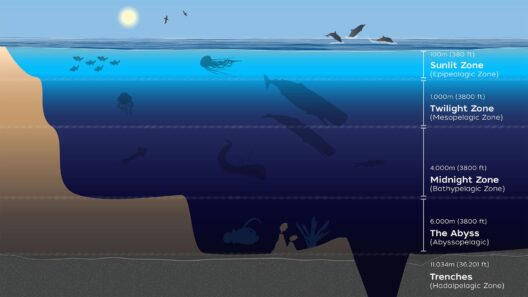
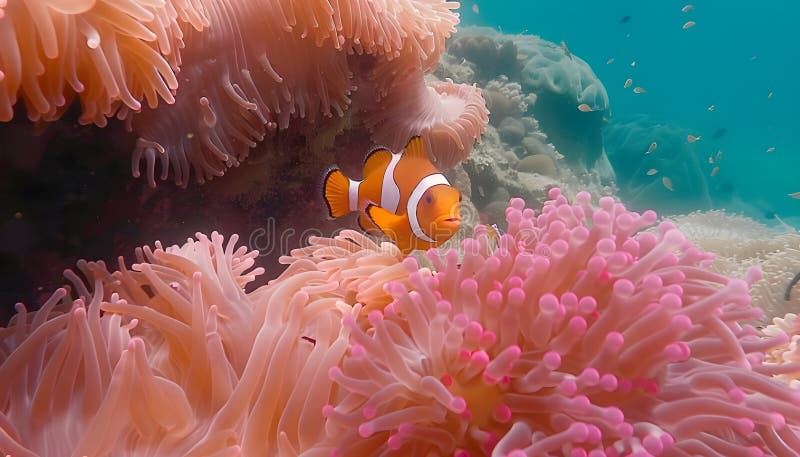
Clown fish predominantly inhabit the myriad of anemones found throughout the Great Barrier Reef. These anemones, with their venomous tentacles, offer a fortified refuge for the clown fish, while the clown fish, in return, provide crucial nutrients through waste and assistance in anemone cleaning. This remarkable mutualistic relationship exemplifies the delicate balance of oceanic life. Clown fish are typically found in shallow waters, where sunlight penetrates, creating an ideal environment for both them and their anemone hosts. The vibrant colors of clown fish coupled with the stark whitish hues of the anemone create a visually stunning tableau that is as captivating as it is necessary for their survival.
Of particular interest is the geographic range of clown fish within the reef. While they can be found in other parts of the world, their thriving existence in the Great Barrier Reef can be attributed to the exceptional health of the reef ecosystem. Various species of clown fish exist here, such as the orange clown fish (Amphiprion ocellatus), famously recognized from popular media. Climate conditions, water quality, and biodiversity directly influence the health of clown fish populations, making the integrity of the Great Barrier Reef essential for their continued existence.
The importance of clown fish extends beyond their enchanting appearance and ecological roles. They are indicators of overall reef health; changes in their populations often signal shifts in environmental conditions. For instance, a decline in clown fish populations may foretell detrimental changes in water temperature or quality, perhaps caused by pollution or coral bleaching. A deeper understanding of their habitat requirements and ecological significance can lead to enhanced conservation practices, which are paramount in the face of climate change and overfishing.
It is crucial to recognize the threats that pose significant challenges to the clown fish and their ecosystem. Climate change has emerged as a formidable adversary, leading to temperature fluctuations and rising sea levels that threaten the delicate balance of the reef. The phenomenon of coral bleaching, where corals expel the algae that provide them with sustenance due to stress, is one of the most pressing issues. As clown fish rely on healthy anemones derived from vibrant coral ecosystems, their survival becomes intricately intertwined with the state of the coral reefs.
Furthermore, the specter of pollution looms ominously over the Great Barrier Reef. Runoff from agriculture often introduces harmful chemicals and sediments into the ocean that can suffocate coral and diminish the sunlight necessary for photosynthesis. Marine debris, particularly plastics, can entangle or be ingested by unsuspecting marine life, including clown fish. Increasing public awareness and advocating for sustainable practices in agriculture and waste management have become imperative actions for protecting not only clown fish but the entire reef community.
Conservation efforts are underway to safeguard the delicate dynamics of the Great Barrier Reef and the clown fish that reside within it. One such initiative includes the establishment of marine protected areas (MPAs) designed to minimize human impact on crucial habitats. These reserves offer respite from fishing pressures and allow for the recuperation of biodiversity. Research institutions are also making strides in understanding clown fish behavior and breeding patterns, utilizing this knowledge to inform conservation strategies appropriately.
The role of the local communities in conservation efforts cannot be overstated. Education plays a pivotal role in fostering appreciation for the marine environment. Engaging with indigenous groups, who hold a wealth of knowledge about the reef and its inhabitants, can lead to sustainable practices and beneficial partnerships. This integrative approach underscores the necessity of collective responsibility in stewardship of marine resources.
As we delve into the enchanting world of clown fish on the Great Barrier Reef, one is inevitably struck by the striking interconnectedness of life. To observe these fish gracefully darting among the swaying tentacles is not merely to witness the beauty of nature but to recognize the fragility of the systems that sustain it. Embracing sustainable practices, advocating for robust conservation policies, and fostering a culture of curiosity about marine ecosystems can ignite a collective shift towards protecting these magnificent underwater gems.
In conclusion, the clown fish emerges as an emblem of resilience and vitality within the Great Barrier Reef, yet their survival hinges upon our collective actions. The beauty of these creatures invites us to venture deeper into the ocean’s mysteries, while their existence implores us to safeguard their habitats. As custodians of the planet, we are tasked with the monumental responsibility of preserving the intricate tapestry of life that thrives beneath the waves. Every action counts, and when it comes to the clown fish and the Great Barrier Reef, even the smallest efforts can yield profound impacts for generations to come.