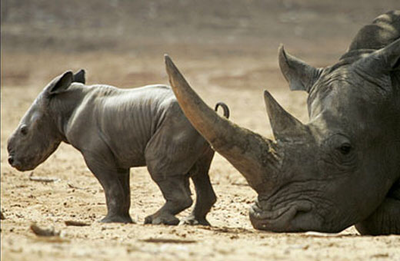

The black rhinoceros, or Diceros bicornis, artfully roams the arid savannas and scrublands of Africa, a living testament to nature’s ingenuity. As one of the world’s most endangered megafauna, its survival is a poignant story of adaptation amidst adversities. Understanding the adaptations that empower the black rhino to thrive offers a nuanced perspective on both the species and the ecological web in which it exists. This narrative delves into the multifaceted adaptations of the black rhino, unraveling their significance in survival and providing a window into the complexities of evolution.
1. Physical Attributes: Armor Against Predators
What strikes most observers is the imposing physical form of the black rhino. Its thick, almost impenetrable skin, which can measure up to two inches in thickness, serves as a formidable defense mechanism against predators and environmental stressors. This leathery hide is not merely an external shell; it is a sophisticated biological adaptation that minimizes water loss, a crucial element for survival in the often parched habitats they inhabit.
Moreover, the impressive size—ranging from 800 to 1,400 pounds—further deters would-be attackers. Yet, the black rhino is not just a hulking figure; its keen senses allow it to detect danger from afar. With acute hearing and a specialized sense of smell, the black rhino can perceive the slightest disturbances in its surroundings, ensuring it remains vigilant against threats both immediate and distant.
2. Feeding Adaptations: Master of Browsing
As herbivores, black rhinos have evolved peculiar feeding habits. Unlike the more grazing-savvy white rhinos, black rhinos are primarily browsers. This unique dietary preference permits them to thrive on a variety of shrubs and woody plants, particularly acacia. Their prehensile lips are designed for grasping and pulling leaves from twigs, an adaptation that not only maximizes their nutritional intake but also minimizes competition with other herbivores that prefer grasslands.
Their molars, broad and flat, are well-suited to grinding down tough plant materials. Coupled with a digestive system that facilitates the breakdown of fibrous vegetation, black rhinos efficiently convert their diet into essential nutrients and energy. In a world where food scarcity can be a dire threat, such adaptations ensure that the black rhino remains not just a survivor but a thriving cornerstone of its ecosystem.
3. Social Behavior: The Dichotomy of Solitude and Sociality
Another remarkable aspect of the black rhino’s adaptation lies in its social behavior. Although often perceived as solitary creatures, black rhinos exhibit a spectrum of social interactions. Their relationships are typically insular, primarily involving mothers and their calves. This nurturing behavior highlights the necessity of familial bonds in the face of predation, as a mother’s guidance is vital for the calf’s survival.
However, during certain times—particularly when food is abundant—these animals may congregate in loose associations, allowing them to benefit from communal vigilance. The communal aspect of foraging not only enhances their ability to detect threats but also offers opportunities for social learning, where younger rhinos can glean survival techniques from older, more experienced individuals. This intricate balance between solitude and social connections showcases an evolutionary strategy finely attuned to the challenges posed by their environment.
4. Reproductive Adaptations: A Diminishing Legacy
The reproductive strategies of the black rhino are a poignant reflection of its current plight. Female black rhinos have a gestation period of approximately 15 to 16 months, and they typically give birth to a single calf. This long gestation reflects the significant investment in each offspring; the survival of the species hinges on the successful nurturing of these young. Mothers are fiercely protective, a trait developed not only out of instinct but also necessity, as calf mortality rates can be high in the wild.
This reproductive strategy, while effective, underscores the challenges posed by habitat loss and poaching. The black rhino’s slow reproductive rate means that any decline in population can take generations to reverse. Efforts to enhance breeding programs and protect existing populations are paramount to preserving this magnificent animal for future generations.
5. Adaptation to Climate: Resilience in Fragility
The black rhino’s habitat is increasingly threatened by climate change, making its ability to adapt to fluctuating temperatures and changing landscapes more crucial than ever. The species has developed behavioral adaptations to cope with extreme heat, often becoming crepuscular—being more active during the cooler dusk and dawn to avoid the harsh midday sun. Such behavioral plasticity not only aids in temperature regulation but also reduces the risks associated with dehydration.
Additionally, the black rhino’s ability to traverse diverse habitats—from dense bush to mountainous regions—has allowed it to seek refuge in less impacted areas. This environmental flexibility showcases a resilience that enhances survival, even as habitats continue to undergo transformation due to human activities.
Conclusion: The Path Forward
The adaptations of the black rhinoceros paint a vivid portrait of a species finely tuned to its environment, crafted by the forces of evolution and survival. These adaptations are not merely physical; they encompass behavioral and social nuances that highlight the interconnectedness of this creature with its ecosystem. As we contemplate the future of the black rhino, it becomes imperative to protect its habitat and mediate threats posed by poaching and climate changes. Through integrated conservation efforts, we hold the power to ensure that the narrative of the black rhinoceros continues, not just as an endangered relic of the past, but as a thriving symbol of nature’s enduring spirit.