
Solar panels have emerged as a symbol of renewable energy, promising a cleaner, more sustainable future. However, like any technology, they come with their own carbon footprint. Understanding the lifecycle impact of solar panels is vital to grasping their true environmental implications. This examination encompasses the manufacturing, usage, and disposal of solar panels, delving into the nuanced aspects of their carbon emissions.
Manufacturing Processes: A Crucial Beginning
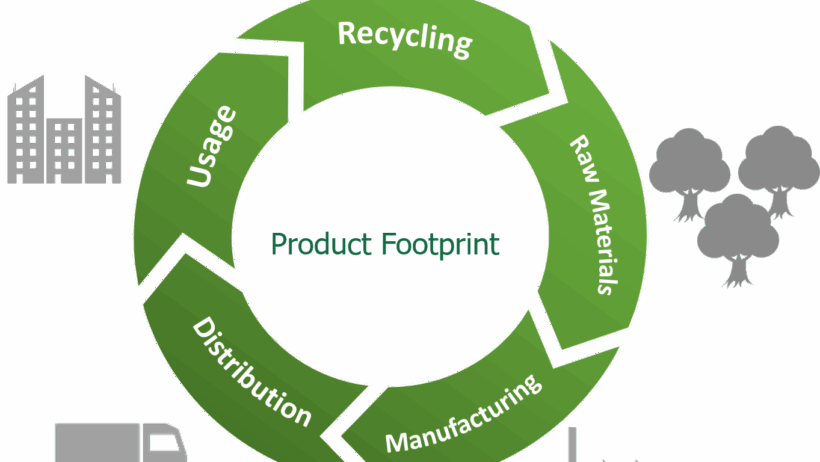
The journey of a solar panel begins in the manufacturing facility, where the production process is laden with carbon emissions. Silicon, the primary material for most solar panels, is derived from quartz, which undergoes substantial energy-intensive processing. The extraction and purification of silicon can release considerable amounts of carbon dioxide, given the fossil fuel dependency of many manufacturing plants. While advancements in technology are mitigating these emissions, the initial footprint remains a critical consideration.
In addition to silicon, the production of solar cells involves other materials, such as cadmium, copper, and silver. The mining and refining of these metals similarly contribute to greenhouse gas emissions. Every component of the solar panel, from the glass to the frames, requires energy to produce, further augmenting their overall carbon footprint at this stage.
Transportation: The Emissions Relay
Once manufactured, solar panels need to be transported to their final destination. This step can exacerbate their carbon emissions. Depending on the distance and the mode of transportation, the carbon footprint incurred in shipping can sometimes rival that of the manufacturing process, especially when relying on fossil fuel-based transportation options. Global supply chains, which have become commonplace, add layers of complexity and carbon expenditure as panels traverse across countries and continents.
Installation: A Carbon Intensity Dialogue
The installation process, though seemingly straightforward, also contributes to the carbon footprint of solar panels. Equipment used for installation, such as cranes and trucks, emit additional greenhouse gases. Furthermore, the installation site itself might require land alterations, which can lead to habitat destruction or disruption of local ecosystems. The initial carbon expenditure during installation can vary based on the complexity of the project and the accessibility of the site.
Usage Phase: The Silver Lining
The usage phase of solar panels marks a significant turning point in their lifecycle. Once operational, solar panels generate electricity without emitting carbon dioxide. This clean energy production can offset significant amounts of greenhouse gases that would otherwise be emitted by fossil fuel-based energy sources. In fact, studies indicate that solar panels can compensate for their lifecycle emissions within a few years of operation, especially in areas with high solar insolation.
The actual carbon offset achieved depends on various factors, including the local energy mix and the solar panel’s efficiency. In regions where coal is the primary energy source, solar panels can provide more substantial carbon credits compared to areas utilizing relatively cleaner energy, such as natural gas or hydroelectric power. Herein lies the irony: the more a region relies on fossil fuels, the greater the net benefit derived from adopting solar technology.
End of Life: The Circularity Challenge
As life progresses, solar panels eventually reach their end-of-life stage. This phase raises pressing concerns regarding waste management and recycling. Many solar panels are designed to last 25-30 years, but what happens after that? Inadequate recycling processes can lead to substantial waste accumulation. While some components, such as glass and metals, can be recycled, others pose challenges due to toxic substances like cadmium in certain types of panels.
The growing solar market necessitates robust recycling frameworks to minimize the environmental impact associated with disposal. Policymakers, manufacturers, and consumers must address this issue collectively, as improper disposal can lead to land contamination and further greenhouse gas emissions through waste breakdown in landfills.
Mitigating Lifecycle Emissions: Towards Sustainability
Efforts are underway globally to minimize the carbon footprint associated with solar panels. Innovations in manufacturing processes are focusing on renewable energy sources, such as solar or wind power, to reduce reliance on fossil fuels during production. Furthermore, advancements in technology aim to enhance the efficiency and longevity of solar panels, thereby improving their overall lifecycle impact.
Moreover, policies promoting proper recycling practices and extended producer responsibility can significantly mitigate emissions linked to end-of-life disposal. As the solar industry grows, so too must the infrastructure supporting sustainable practices throughout the entire lifecycle of solar panels.
The Conclusion: A Carbon Footprint Worth Calculating
The carbon footprint of solar panels offers a comprehensive view into the lifecycle impact of this technology. From the initial stages of manufacturing and transportation to the operational benefits and the challenges of disposal, each phase is integral to understanding the true environmental cost of solar energy. While solar panels present a promising solution to mitigate climate change, recognizing and addressing their lifecycle emissions is essential to harness their full potential responsibly. The dialogue surrounding the carbon footprint of solar panels continues to evolve, reflecting both challenges and opportunities in the pursuit of a sustainable future.