

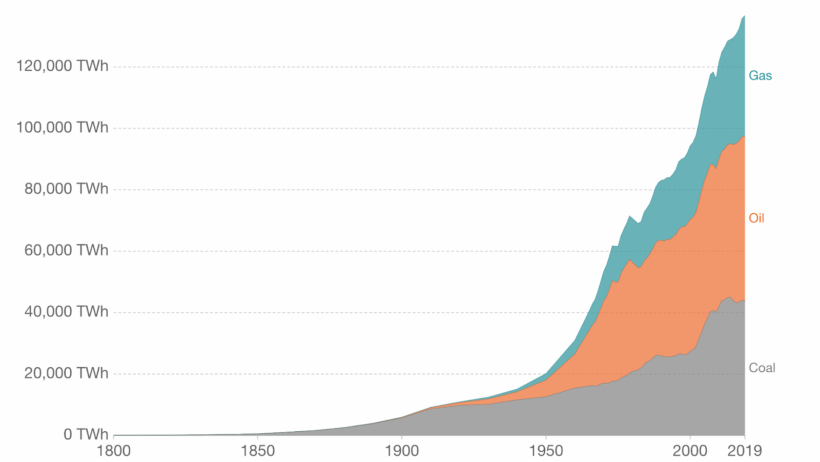

As the world grapples with the stark realities of climate change, understanding carbon accumulation and its interplay with fuel economy becomes crucial for making informed decisions—both at the individual and systemic levels. Have you ever wondered how the choice of fuel impacts not just your wallet but also the very air we breathe? The complexities of fossil fuel consumption, carbon emissions, and their subsequent environmental repercussions form a tapestry that demands our attention.
To embark on this exploration, one must first unravel the concept of carbon accumulation. Carbon dioxide, a greenhouse gas, accumulates in our atmosphere as a result of various human activities, predominantly the burning of fossil fuels such as coal, oil, and natural gas. These fuels, foundational to modern civilization, serve as the primary energy sources for transportation, electricity generation, and industrial processes. However, the resultant carbon emissions have increasingly contributed to global warming, promulgating climatic alterations that threaten ecosystems and human livelihoods alike.
Fuel economy refers to the efficiency with which a vehicle utilizes fuel to generate motion, typically measured in miles per gallon (MPG) or kilometers per liter (KM/L). The relationship between fuel economy and carbon emissions is critical; as fuel economy improves, the amount of carbon dioxide produced per mile traveled declines. This simplistic correlation belies a more intricate reality consisting of various factors including fuel type, vehicle design, driving habits, and even socio-economic influences.
When examining fuel types, conventional gasoline and diesel fuels have distinct carbon footprints. Diesel fuel, while often more fuel-efficient than gasoline, tends to emit greater quantities of nitrogen oxides and particulates, which pose additional environmental and health challenges. Conversely, innovations in biofuels and renewable energy sources—while not devoid of carbon footprints—offer alternative pathways to mitigate fossil fuel dependency. However, the adoption of such alternatives is fraught with economic and infrastructural challenges.
A particularly perplexing quandary arises when one considers the role of consumer behavior in shaping fuel efficiency and carbon emissions. The choice to drive larger vehicles, such as SUVs, despite advancements in hybrid and electric vehicle technologies, underscores a cultural inertia that prioritizes utility and status over ecological mindfulness. It is essential to ask: Are we willing to relinquish our comfort for the sake of a sustainable future?
Moreover, fuel economy is not solely a mechanical consideration; it is also influenced by societal structures, regulatory frameworks, and market dynamics. Governments have instituted a slew of regulations aimed at improving fuel efficiency standards, yet the effectiveness of these measures is heavily contingent upon public compliance and the willingness of manufacturers to invest in greener technologies. Challenges abound—further innovation is often met with resistance due to the substantial financial outlays required for development and the potential disruption to existing market paradigms.
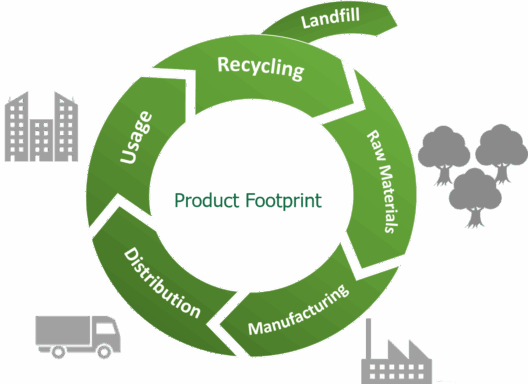
The interconnectedness of these elements becomes evident when we consider the entire life cycle of a vehicle, from manufacturing through to end-of-life disposal. Each phase contributes to overall carbon accumulation, amplifying the notion that addressing fuel economy alone is insufficient. Sustainable materials in manufacturing processes, efficient recycling protocols, and responsible consumer practices all intersect to create a holistic approach to reducing carbon emissions.
One must also contemplate the geopolitical ramifications of fossil fuel dependence. Countries rich in fossil fuel reserves often wield disproportionate power on the global stage, engendering conflicts over energy access, production rights, and environmental responsibilities. The transition to alternative energy sources presents not only an ecological imperative but also a form of societal equity, advocating for the globalization of clean technology and fair energy access. The pivotal question remains: Can nations collaboratively establish frameworks to facilitate this transition without exacerbating existing inequalities?
Addressing the challenge of carbon accumulation and fuel economy transcends the dichotomy of individual versus collective responsibility. While personal choices regarding transportation and fuel usage play a significant role, systemic change remains imperative for meaningful progress. Public transportation enhancements, urban planning strategies that promote walkability, and the emergence of car-sharing services exemplify initiatives that help redefine societal norms surrounding fuel consumption.
Furthermore, education and awareness initiatives can galvanize communities toward an eco-conscious mindset. It is essential that future generations inherit a legacy of sustainability, wherein respect for nature and responsible consumption is woven into the cultural fabric. Schools, NGOs, and community groups can serve as catalysts for change, instilling values that prioritize environmental stewardship over mere consumption.
The concept of carbon accumulation and its correlation to fuel economy is multifaceted, provocative, and ripe for discussion. Individuals, industries, and governments must grapple with the complexities that underpin this significant issue. As dialogue continues to evolve, it is vital to embrace an integrative approach that harmonizes economic growth with environmental sustainability.
In an era where our choices echo through time and shape our biosphere, we must ponder the question: Do we dare to challenge the status quo for a sustainable tomorrow? The road ahead is fraught with obstacles, yet within those challenges lies the potential for transformative change. As we navigate this intricate web of fuel economy and environmental impact, let us collectively strive for a greener, more sustainable future.