
Corn ethanol, a biofuel derived from the fermentation of corn, has drawn considerable attention in recent years. As energy demands escalate amidst burgeoning concerns over climate change, the question looms large: Is corn ethanol the panacea that it appears to be, or does it harbor downsides that warrant scrutiny? This exploration dives into the multifaceted world of corn ethanol, examining its advantages and disadvantages, fundamentally challenging our perceptions of what constitutes a sustainable fuel source.
Understanding Corn Ethanol Production
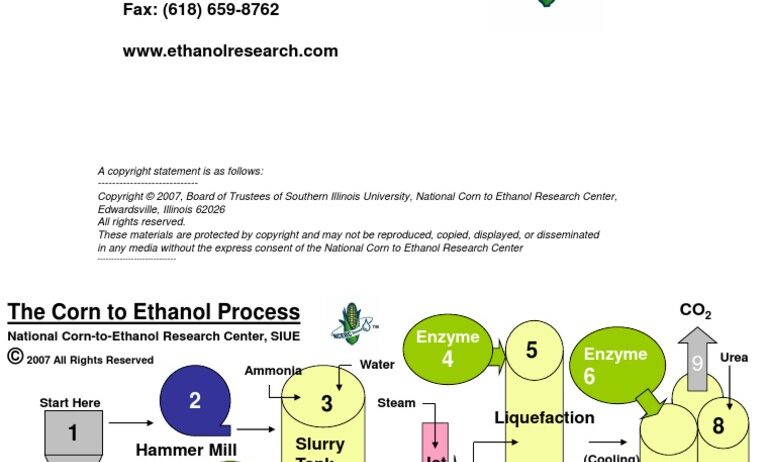
Before delving into the pros and cons, it is imperative to grasp the nuances of corn ethanol production. The process involves fermenting corn starch into sugars, which are subsequently converted into ethanol. Various methodologies exist, including dry milling and wet milling; however, dry milling remains predominant due to its efficiency and cost-effectiveness. Yet, as with many technologies, this process is not without its complications and implications.
Advantages of Corn Ethanol
1. Renewable Energy Source
Corn ethanol is deemed a renewable fuel. Unlike fossil fuels extracted from the earth, corn, as a crop, can be cultivated annually, making it a sustainable energy source theoretically. This renewability is crucial in a world striving to reduce its dependence on depleting resources.
2. Reduction of Greenhouse Gas Emissions
One of the most compelling arguments in favor of corn ethanol is its potential to curtail greenhouse gas emissions. Studies suggest that, when burned, corn ethanol can reduce carbon dioxide emissions by up to 30% compared to traditional gasoline. This reduction plays an instrumental role in mitigating climate change, fostering a more breathable atmosphere.
3. Economic Benefits
The corn ethanol sector contributes significantly to the economy, supporting rural communities and creating jobs within agriculture and biofuel production. With an increasing number of ethanol plants springing up, the industry has become a linchpin for economic revitalization in agrarian regions. Moreover, as a commodity, corn offers stability, allowing farmers to diversify their income streams while ensuring food security.
4. Energy Independence
In the quest for energy independence, corn ethanol emerges as a viable solution. By producing domestically sourced biofuels, countries can reduce their reliance on imported oil. Such a shift not only bolsters national energy security but also fosters economic self-sufficiency, shielding local economies from the volatility of global oil markets.
Disadvantages of Corn Ethanol
1. Land Use Concerns
With the increasing demand for corn cultivation to support ethanol production, land use has become a contentious issue. The expansive agricultural footprint required for increasing corn yields raises questions about food production versus fuel production. As more land is dedicated to maize, can we sustain our food supply? This prompts an ethical dilemma regarding priorities in land utilization and productivity.
2. Resource Intensive
Contrary to the idyllic notion of renewable energy, corn ethanol production is resource-intensive. The cultivation of corn necessitates significant inputs of water, fertilizers, and pesticides. Critics argue that this resource demand can exacerbate environmental issues such as soil degradation, water scarcity, and pesticide runoff. These adverse effects can diminish the overall environmental benefits that corn ethanol might otherwise offer.
3. Efficacy and Energy Return on Investment
The energy return on investment (EROI) for corn ethanol has been a contentious topic. While proponents argue for its benefits, detractors highlight that the energy harnessed from corn ethanol may not always equal the energy expended in its production. This nuanced debate raises an unsettling query: are we expending more energy to produce the fuel than we subsequently gain from it?
4. Food Price Volatility
The correlation between corn ethanol production and food prices cannot be ignored. As demand for ethanol surges, so too does the competition for corn in food markets. This demand can lead to increased prices for both corn and related food products, disproportionately impacting lower-income populations who may struggle to afford basic necessities. The ethical implications of diverting food for fuel propel the discussion into precarious territory.
The Challenge Ahead
As we navigate the crossroads of energy production and sustainable practices, a pivotal question poses itself: Can corn ethanol, with its intricate web of advantages and disadvantages, be reshaped into a more viable and less contentious solution? As the world grapples with energy dilemmas amidst environmental commitments, stakeholders must work collaboratively to innovate in biofuel technologies that prioritize both energy production and ecological stewardship.
Conclusion
Corn ethanol embodies the complex interplay between advancing renewable energy initiatives and addressing environmental, social, and economic challenges. While its benefits are considerable, the challenges it presents demand critical examination and action. As we pursue a greener future, an open dialogue, rigorous research, and holistic strategies are vital. The exploration into the potential of corn ethanol remains a relevant and pressing conversation—one that could shape the trajectory of our energy landscape for years to come.