

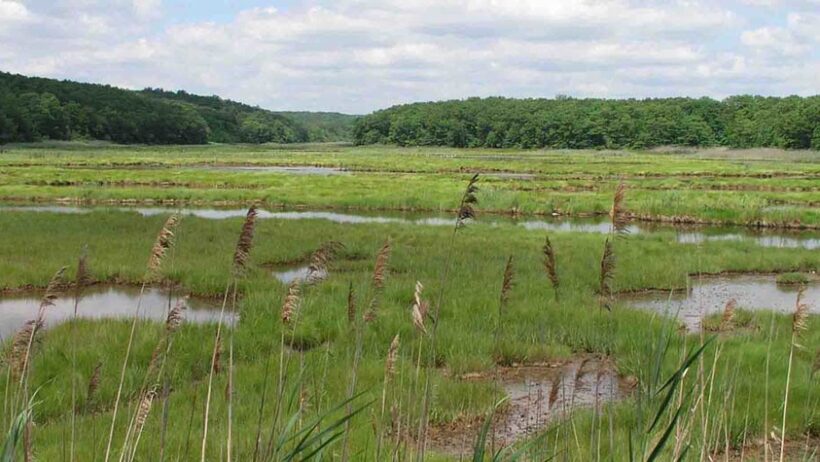

Salt marshes, ethereal realms where brackish waters mingle with the terrestrial world, are vibrant ecosystems teeming with life. Yet, beneath the surface of this verdant tapestry lies a web of abiotic factors that shape not only the physical landscape but also the intricate relationships between organisms inhabiting these environments. Abiotic factors—non-living chemical and physical components of the environment—serve as the foundational canvas upon which life in salt marshes paints its diverse picture. Understanding these factors is crucial, for they harbor the secrets behind the vitality and resilience of salt marsh ecosystems.
At the core of the salt marsh’s existence is salinity, the defining characteristic of this unique environment. Like an artist’s palette, salinity influences the variety and health of flora and fauna. Salt-tolerant species, such as cordgrass (Spartina alterniflora), thrive in this briny milieu, while sensitive species struggle to survive. This gradient of salinity creates distinct zones within the marsh, each hosting different species adapted to varying saline conditions. As tides ebb and flow, the salt content fluctuates, sculpting habitats that harbor a mosaic of biodiversity.
Next in this intricate dance of life is soil composition and structure. The marshes’ denouement is shaped by sediment, a mélange of clay, sand, and silt, which provides the nurturing ground for sprawling plant life. This sedimentary foundation acts as both an anchor and a reservoir. It retains moisture while simultaneously facilitating drainage, creating an environment that balances saturation with oxygenation. The fine particles and their arrangement allow for the establishment of complex root systems, reinforcing the marsh as it combats erosive forces. These roots, in turn, play a pivotal role in stabilizing the soil and fostering rich microbial communities.
It is within this finely tuned soil ecosystem that nutrients are cycled, yielding a lush environment. Here, nitrogen, phosphorus, and potassium—the fundamental trio of macronutrients—are not mere chemical abstractions; they are the lifeblood that nourishes this dynamic ecosystem. The interplay between plants and soil microorganisms underpins nutrient availability, allowing salt marshes to emerge as productive entities. The marsh acts as a filter, capturing excess nutrients from surrounding areas and mitigating the impacts of nutrient loading, a chronic stressor threatening coastal ecosystems.
Furthermore, hydrology—the way water moves through and around the marsh—plays a fundamental role in dictating the environmental rhythms. Tidal fluctuations act as the percussionist in this symphony of salt marsh life, driving the inundation and exposure cycles. These cycles dictate the productivity and distribution of plant species. During high tide, plant roots are bathed in saltwater, while during low tide, they absorb oxygen from the air. This rhythmic dance fosters resilience; the ecosystems adapt to the common phenomenon of tidal ebb and flow, illustrating nature’s ability to thrive amid change.
Light availability is yet another mysterious instrument in the orchestra of salt marsh ecosystems. With a delicate balance between shadows cast by surrounding vegetation and the unrelenting sun, light impacts photosynthesis, plant growth, and ultimately, the entire food web. Sunlight envelops the marsh during the day, provoking a symphony of photosynthetic responses among plants. In turn, these plants offer sustenance to herbivorous grazers, which in time support a diverse community of predators. Thus, light serves not only as an energy source but as a crucial determinant of community dynamics and species interactions.
Furthermore, temperature plays an omnipresent role in this dynamic landscape. As the sun arcs across the sky, temperatures rise and fall, affecting ecosystem processes such as metabolic rates, herbivory, and plant growth. The interplay between the marsh’s microclimate and external weather patterns can trigger cascading effects throughout the ecosystem. Elevated temperatures can lead to stress in sensitive organisms, while milder periods foster burgeoning populations. Each species brings its unique threshold for temperature variation, contributing to the overall resilience or vulnerability of the ecosystem.
A final but no less significant abiotic factor is atmospheric conditions, particularly wind and precipitation. Wind acts as both a sculptor and a harbinger of change, influencing seed dispersal, erosion, and humidity levels. Innovation in germination cascades from wind’s gentle caress, launching seeds to new territories. On the other hand, precipitation replenishes the marsh’s freshwater supply, establishing a symbiotic relationship between rain and life. Too much rain can lead to flooding, washing away nutrients and altering salinity levels, while prolonged drought can threaten the very existence of marsh vegetation.
In conclusion, the abiotic factors in salt marshes—salinity, soil composition, hydrology, light availability, temperature, and atmospheric conditions—intertwine to create a delicate yet robust tapestry of life. Each factor plays a vital role in influencing the biological communities within, forming the backbone of these ecosystems and their remarkable adaptability. Understanding these factors unlocks a deeper appreciation of the interconnectedness of life allowed to flourish within the marsh’s embrace. In a world increasingly confronted with the trials of climate change and anthropogenic disturbance, salt marshes stand as both a refuge and a testament to resilience, reminding us of nature’s boundless ability to adapt, persist, and thrive.