


Coal energy has long been a bastion of power generation, a legacy element of industrialization that has fueled economies and supplied the electrical heartbeat of civilizations. Yet, as the world grapples with pressing environmental concerns and the shift toward sustainable energy sources, the duality of coal as a resource has come under intense scrutiny. This article delves into the pros and cons of coal energy, considering both its environmental ramifications and its economic implications.
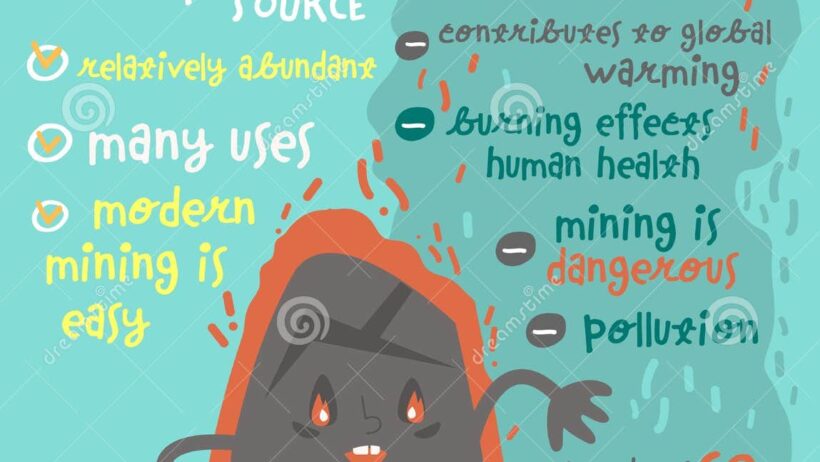
To appreciate the multifaceted dialogue surrounding coal energy, one must first consider its advantages. One of the most compelling arguments in favor of coal is its abundance. Deposits exist worldwide, making it a readily accessible fuel source. Countries with substantial coal reserves can rely on this fossil fuel for energy independence, reducing their reliance on imported oil and gas. This aspect is not merely about convenience; it bolsters national security by ensuring energy access in volatile geopolitical climates.
Moreover, coal’s economic viability cannot be understated. As a low-cost energy option, coal has historically provided affordable electricity to millions. The stability of coal prices over time, compared to the volatility of oil and natural gas markets, allows for predictable budgeting in energy supply. Consequently, this affordability extends to businesses and households, fostering economic growth by keeping operating costs manageable.
However, these pros mask a more sinister reality: the inherent environmental impacts of coal extraction and usage. The environmental degradation associated with mining practices is palpable. Mountaintop removal mining, a technique prevalent in some regions, obliterates ecosystems and displaces local communities. The landscape transformation fosters soil erosion and contributes to loss of biodiversity, highlighting a paradox inherent in this seemingly robust energy source.
Furthermore, the combustion of coal is one of the leading contributors to greenhouse gas emissions, primarily carbon dioxide. The relationship between coal energy and climate change cannot be overstated. As carbon emissions continue to escalate, they foster a warming global climate, exacerbating issues like extreme weather events, rising sea levels, and widespread disruption of natural systems. These environmental consequences resonate beyond local borders, implicating global and future generations in the fallout.
Transitioning from environmental to health impacts, the burning of coal releases not only CO2 but also a slew of harmful pollutants, including sulfur dioxide (SO2), nitrogen oxides (NOx), and particulate matter. These pollutants infiltrate the air, leading to respiratory ailments, cardiovascular diseases, and even premature mortality among vulnerable populations. The public health ramifications of coal energy invoke a strong moral imperative: can we continue to prioritize this energy source at the expense of human lives?
As countries navigate the complex landscape of energy production, the dialogue surrounding coal is evolving. Many are advocating for a transitional phase toward greener alternatives such as solar, wind, and hydropower. These renewable energy sources offer the tantalizing promise of sustainability, free of the dire environmental and health costs associated with coal. Investment in clean technologies is not merely an environmental concern; it can also stimulate job creation in emerging sectors, providing a further economic incentive to wean off fossil fuels.
Nevertheless, the prevalence of coal remains formidable. Despite escalating environmental awareness and substantial investments in renewables, some regions are still heavily reliant on coal due to economic inertia. Workers in coal-dependent industries see their livelihoods threatened by the shift toward greener options. Policymakers find themselves in a quagmire: how to support a just transition for these communities while meeting climate goals. Balancing the intricate interplay of economic viability, environmental conservation, and social equity is undoubtedly a daunting task.
The socio-political ramifications of coal energy can be observed in the public discourse surrounding energy policy. Proponents of coal often lament the potential job losses in traditional sectors, igniting fears of economic disenfranchisement. On the other side, environmental advocates emphasize the urgent need for a comprehensive plan that prioritizes public health and ecological sustainability. Navigating this battleground requires genuine dialogue, collaborative solutions, and a clear vision for the future of energy.
As the global community evolves and adapts to an era where the perils of climate change are ever-present, the time for re-examination of coal’s role is now. While its advantages of stability and low cost make it appealing, the ramifications associated with its use raise fundamental questions about our path forward. Human health, environmental sustainability, and economic stability are intricately interwoven, and any viable energy strategy must seek to harmonize these elements.
In conclusion, coal energy sits at a crossroads, a relic of centuries past that demands a thorough reassessment in light of modern challenges. Striking a balance between its historical importance and the urgent need for change is imperative. As the landscape of energy production continues to shift, the virtues and vices of coal will undoubtedly remain subjects of fervent debate. Each choice pivots on broader ethical considerations, ultimately underscoring the necessity for a better, greener future for generations to come.