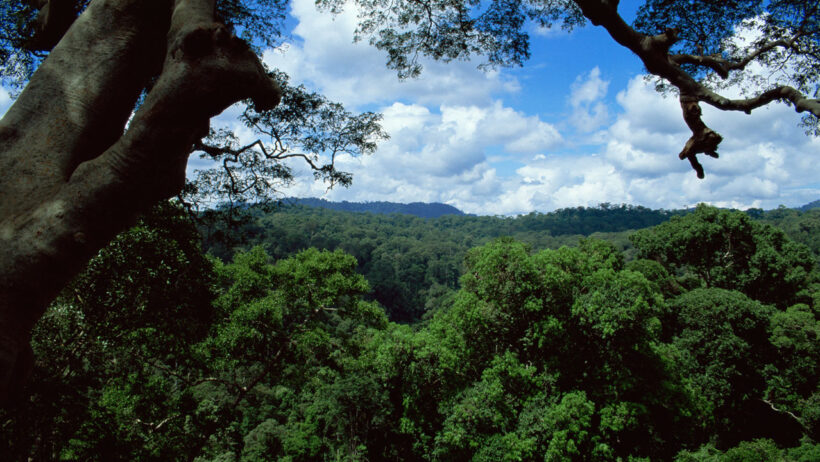

When one envisions jungles, vibrant images of the Amazon rainforest or the lush canopies of Southeast Asia typically spring to mind. However, many may overlook the existence of unique jungle-like ecosystems rooted in America’s diverse geography. This article delves into the jungles found in the United States, exploring their locations, distinctive ecosystems, and the deeper significance they hold.
Primarily, when discussing jungles in America, it’s essential to differentiate between true tropical jungles and subtropical forests that exhibit jungle-like characteristics. One prominent example lies in the southernmost regions of Florida, where the dense, wet environments of the Everglades create an ecosystem that is both lush and intricate.
The Everglades is a vast network of wetlands featuring sawgrass marshes, mangroves, and a plethora of wildlife, including the elusive Florida panther and the American crocodile. This ecosystem results not from a singular, towering canopy but from a web of interdependent flora and fauna adapting to a subtropical climate. The high humidity, abundant rainfall, and warmth foster conditions reminiscent of tropical jungles, thus warranting its comparison to these more famous habitats.
As one meanders through the winding waterways, the cacophony of sounds—from the calls of alligator and the rustling of foliage—evokes a sense of wilderness that is both enthralling and mystifying. The Everglades is critical not only for its ecological significance but also as a symbolic representation of America’s natural heritage, serving as a crucial habitat for endangered species and an essential regulator of water quality for the surrounding environment.
Adventure seekers may also be drawn toward the jungles of the Pacific Northwest, specifically the temperate rainforests found in places such as Olympic National Park in Washington State. Unlike their tropical counterparts, these temperate jungles boast towering conifer trees adorned with moss and lush undergrowth. Drenched in moisture from coastal winds, these forests present an entirely different but equally fascinating ecosystem.
Here, indeed, the forest floor thrives with life: ferns unfurl, mushrooms dot the landscape, and the sounds of the bustling ecosystem create a symphony. The dos and don’ts of survival intertwine with the environment; the rich biodiversity, including black bears, elk, and myriad bird species, reveals a delicate balance and remarkable adaptation to the unique climatic conditions.
Further inland, the rainforests in the Siskiyou Mountains of Southern Oregon and Northern California also capture the imagination. This often-overlooked realm showcases pockets of temperate rainforest habitat dotted with ancient trees and rare species. From the majestic redwoods to the enchanting waterfalls, these ecosystems underscore the ineffable allure of America’s jungles, challenging preconceptions of what constitutes a jungle.
A common observation among those who explore these remarkable ecosystems is the innate human fascination and admiration for jungles. They embody life in abundance, struggle, and survival, evoking a profound sense of connection to nature. The intertwining of trees, the vibrant tapestry of flora, and the diverse animal life resonate with an intrinsic yearning for adventure and discovery. This allure is not solely rooted in aesthetics but also in the ecological significance these jungles maintain.
The ongoing dialogue surrounding conservation in these regions highlights a deeper ethical consideration. The American jungles are vulnerable; human encroachment and development threaten their survival. Yet, through responsible stewardship and advocacy, there is hope for preserving these intricate ecosystems for future generations to admire and learn from.
In the context of conservation, the jungles of America serve as powerful examples. They showcase the resilience of nature while simultaneously presenting challenges that must be managed carefully. The loss of wetlands in Florida or the encroachment of logging in temperate rainforests ignites a collective call to action; safeguarding these habitats transcends mere environmentalism; it encapsulates a moral imperative to maintain Earth’s biodiversity.
The rainforest within the Hawaiian islands also deserves mention as an integral part of America’s ecological tapestry. While often viewed through the lens of its tropical ecosystem, Hawaii boasts its unique adaptations and endemic species. From the majestic ‘ohi’a lehua trees to the intricate relationships formed among the islands’ diverse flora and fauna, Hawaii’s jungles reveal a delicate and interwoven existence. These ecosystems, however, face their own set of challenges, severely impacted by invasive species and urban development.
In conclusion, America does indeed possess jungles, albeit in forms that reflect its geographical and climatic diversity. Whether nestled in the swamps of Florida, standing tall in the Pacific Northwest, or concealed within the depths of the Hawaiian islands, these environments evoke awe and reverence. They invite us to explore their intricacies while stimulating a deeper understanding of our connection to the natural world.
As our awareness grows, we face the monumental task of not only appreciating these jungles but actively participating in their preservation. Through thoughtful understanding and action, the jungles of America can continue to flourish, allowing future generations to experience their beauty and complexity.