


The natural world is a tapestry of complexity and interdependence. One of the most commonly debated aspects of this intricate system is whether trees are renewable or nonrenewable resources. At first glance, the answer seems straightforward: trees can grow back, thus positioning them firmly in the realm of renewability. However, the reality is woven with layers of ecological, economic, and ethical considerations that merit deeper exploration.
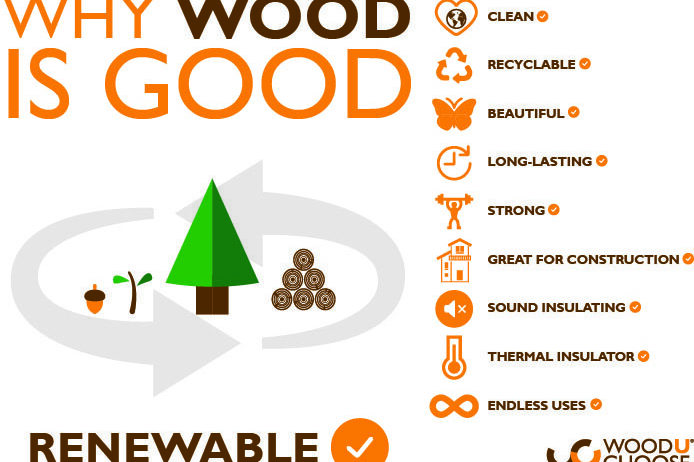
First, it is essential to establish what is meant by the terms “renewable” and “nonrenewable.” Renewable resources are defined as those that can be replenished naturally over time, either through biological reproduction, such as plants and animals, or through natural processes, like sunlight and wind. Conversely, nonrenewable resources are finite; they cannot be renewed on a human timescale. This definition serves as a foundational lens through which we can examine the sustainability of trees.
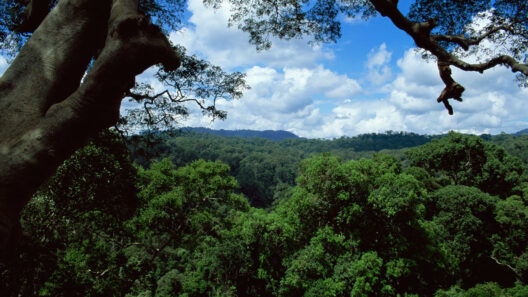
The lifecycle of a tree is staggering, with some species living for hundreds, if not thousands, of years. This longevity aids in the absorption of carbon dioxide, providing a natural solution to some of the most pressing concerns surrounding climate change. Trees serve as carbon sinks, sequestering carbon as they photosynthesize, thus contributing to the broader health of the planet. As such, trees generally embody the principles of a renewable resource. However, the nuances of their sustainability lie in various other factors.
To understand this complexity, one must delve into the practices surrounding tree harvesting. Sustainable forestry practices entail selective logging, replanting, and managing forests in a way that preserves ecological integrity. Responsible approaches can ensure that timber extraction does not outpace the natural growth and regeneration of trees. Unfortunately, this ideal is often undermined by unsustainable practices, such as clear-cutting, which indiscriminately removes entire stands of trees. Such destructive methods diminish biodiversity and disrupt ecosystems, leading to a host of negative consequences including soil erosion and loss of habitat.
Another critical aspect of sustainability is the concept of time. Trees take decades, if not centuries, to mature. When large swathes of forest are decimated, the path to regeneration can stretch far beyond the lifetime of those who exploit the resources. This temporal disconnect highlights the profound responsibility that humans bear in how they approach forestry. The longer it takes for a resource to recover, the closer it teeters on the edge of nonrenewability.
Cultural factors also influence perceptions regarding the sustainability of trees. Many indigenous communities have long-standing relationships with forests, relying on them for sustenance and spiritual rejuvenation. For these communities, trees are not merely resources to be consumed; they are integral to their existence. This holistic perspective compels a re-evaluation of the benefits trees offer beyond timber or paper—one that emphasizes ecosystem health, cultural heritage, and human well-being.
Furthermore, one of the more striking observations about trees is their role in urban environments. Urban forestry has gained increasing popularity as cities grapple with issues related to air quality, heat islands, and mental wellness. Trees in urban areas can provide shade, improve aesthetics, and lower temperatures, thereby enhancing the livability of communities. These ecological services attest to the fact that trees can be regenerative forces, renewing both the environment and the human experience.
However, the renewable nature of trees is also put to the test through the lens of climate change. Changing weather patterns, increased frequency of extreme weather events, and the encroachment of pests threaten to compromise forests worldwide. These factors do not only jeopardize the trees themselves but also the invaluable ecological systems that depend on them. The resilience of forests becomes paramount, as both natural and anthropogenic factors conspire to challenge their stability.
Additionally, the issue of synthetic substitutes comes into play. The rise of alternatives to wood—such as plastics and composites—has fueled a new debate around the sustainability of trees. While these alternatives may provide immediate solutions to certain problems, they often lack the ecological benefits that living trees confer. The persistent yearning for alternatives begs the question: Can we forge a balance where both trees and synthetic materials co-exist without compromising sustainability?
The essence of whether trees are renewable or nonrenewable hinges on human action. Our choices dictate the trajectory of forests: whether they flourish or languish. The intersection of policy, community engagement, and individual responsibility will shape the future of tree sustainability. Global efforts such as afforestation and reforestation initiatives can significantly bolster tree populations, illustrating that the potential for renewal is firmly within our grasp.
In conclusion, while trees inherently possess the potential for renewability, this designation is contingent upon our collective practices and attitudes towards them. The sustainability of trees is not merely a matter of biological growth; rather, it encompasses ethical stewardship, cultural respect, and a deep understanding of the intricate dynamics at play within ecosystems. It is a call to action for every individual and organization to prioritize the delicate balance required to protect, preserve, and promote the vitality of our forests for generations to come.