
Introduction
The ocean, a realm of mystery and majesty, houses a creature renowned for its intelligence and social complexity—the orca, or killer whale. Orcinus orca, the scientific nomenclature for these marine mammals, demonstrates an extraordinary array of behavioral adaptations that allow them to thrive in diverse aquatic environments. This article delves into the intricacies of orca behavior, elucidating the various strategies they employ for survival and predation.
Social Structure: The Pod
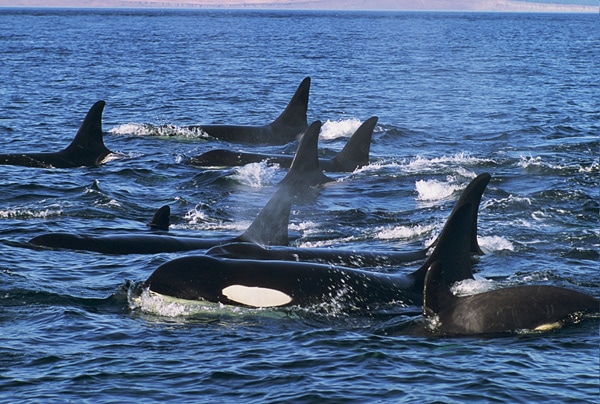
At the heart of orca behavior lies their social organization, often epitomized by the pod—a familial group that can range from small cohorts of a few individuals to large, extended family networks comprising dozens of whales. These pods operate under a matriarchal structure, with elder females leading and imparting essential knowledge. This cooperative social dynamic fosters intricate communication, pivotal in hunting and nurturing calves. The complex vocalizations and distinct dialects of pods enhance bonding and coordination, facilitating not only survival but also the transmission of cultural practices across generations.
Communication: Language of the Seas
Orcas are equipped with sophisticated communication skills that set them apart from many other marine species. Their vocal repertoire includes clicks, whistles, and pulsed calls, each serving different functions, from navigation to social interaction. These vocalizations are by no means random; rather, they are influenced by the group’s geographic location and cultural heritage. For instance, transient orcas, who primarily hunt marine mammals, exhibit distinct sounds compared to resident orcas that focus on fish. This linguistic diversity enhances their ability to coordinate hunts and reinforces social structures, illustrating an intricate relationship between language and survival.
Hunting Techniques: Cooperative Strategies
Orca hunting is a fascinating orchestration of collaboration and strategy. These apex predators exemplify sophisticated teamwork, often employing a variety of hunting techniques that reflect their adaptability to the environment and prey. One prominent method is known as “carousel feeding,” where pods encircle a school of fish, creating a bait ball. Through coordinated swimming, they trap the fish in a tight circle, facilitating easier feeding. Such displays of tactical brilliance underscore the necessity of social cohesion and collective planning in maximizing their hunting success.
Another intriguing approach is the use of “spy-hopping.” In this technique, orcas position themselves vertically in the water column, peering above the surface—a strategy that allows them to scout the environment for potential prey. This behavior highlights not only their physical prowess but also emphasizes their cognitive capabilities, as they demonstrate problem-solving skills greatly advantageous to their hunting endeavors.
Eco-Cultural Knowledge: Learning from Elders
The transfer of knowledge within orca pods is critical, akin to a mentorship program in human societies. Younger orcas learn vital skills from their mothers and other experienced members, acquiring techniques bespoke to their environmental context. This transmission of knowledge is deeply rooted in the culture of each pod, with variations in hunting styles and preferred prey often reflecting regional ecological conditions. Such practices affirm the notion that orcas have an ecological intelligence, allowing them to adapt to changing environments and prey availability through learned experiences.
Dietary Versatility: Omnivores of the Ocean
Orcas are predominantly characterized by their dietary flexibility. Not restricted to a singular food source, they exhibit a remarkable range of dietary preferences, which can vary greatly depending on their pod’s traditions and local ecosystems. Residents primarily consume fish, especially salmon, while transients have developed a taste for marine mammals such as seals and even larger whales. This omnivorous adaptability plays a critical role in their survival, allowing them to exploit various ecological niches and respond to the fluctuations of prey populations. However, their dietary choices also reflect an intricate ecological balance, shedding light on their role as keystone predators within the marine ecosystem.
Navigation and Exploration: Mastering the Waterways
Orcas are not only adept hunters but also remarkable navigators, possessing an inherent ability to traverse vast oceanic expanses with ease. Their echolocation capabilities are paramount, allowing them to emit sound waves and interpret the returning echoes to locate, identify, and track prey. This biological sonar not only aids in hunting but also assists in navigating treacherous underwater landscapes. Their migratory patterns, driven by seasonal prey availability, further underscore their adaptability and mastery of the marine environment. Such navigation is a testament to their evolutionary specialization, integrating physical, environmental, and social factors into their behavioral repertoire.
Threats and Adaptations: Resilience in the Face of Challenges
Despite their prowess, orcas face numerous threats ranging from pollution to climate change, which challenge their survival. These factors have prompted adaptations both in feeding strategies and social behaviors. For instance, some pods have learned to adapt their hunting strategies to interface with declining fish stocks, demonstrating resilience in the face of adversity. Furthermore, the increased reliance on social cooperation and knowledge sharing has become even more pronounced, reinforcing the importance of communal bonds in navigating environmental changes safely.
Conclusion
The behavioral adaptations of orcas illuminate a world of complexity beneath the ocean’s surface, challenging our perceptions of these magnificent creatures. As apex predators with intricate social structures, they exemplify the profound interconnectedness of life. Understanding their behaviors not only facilitates a deeper appreciation of their existence but also underscores the urgent need for conservation efforts. Protecting these remarkable beings is not just about safeguarding a species; it is about preserving the ecological balance of the oceans, which is vital for humanity and the planet as a whole. As we explore the behaviors of orcas, we uncover an extraordinary narrative of survival, cooperation, and resilience, inspiring a shift in perspective that beckons further inquiry and respect for our ceaselessly evolving marine world.