

The fabric of our lives is woven from countless threads, each representing a choice we make in our daily existence. Among these threads, polyester stands out, offering an alluring blend of convenience and affordability. However, beneath its synthetic sheen lies a tangle of health and environmental concerns that warrants a thoughtful exploration.
When one confronts the question, “Are polyester clothes bad for you?” one must navigate through an intricate tapestry of implications that encompass both personal health and ecological integrity. To unravel this complex narrative, we must first delve into the genesis of polyester itself.
Polyester, a synthetic fiber invented in the mid-20th century, was heralded as a revolutionary material. Its resilience against wrinkles, its ease of care, and its affordability made it a staple in the wardrobes of millions. But as the saying goes, “All that glitters is not gold.” The very qualities that make polyester appealing also contribute to its contentious nature.
Health-wise, polyester clothes may harbor various risks. The fibers that comprise these garments can off-gas volatile organic compounds (VOCs), substances that can lead to respiratory issues, skin irritations, and other adverse health effects. This phenomenon is particularly pertinent for individuals with pre-existing sensitivities or allergies. Imagine donning a clothing item that releases invisible gases, sneaking through the air and infiltrating your respiratory system. It is a fate hardly befitting the comfort one seeks in their garments.
Moreover, the production of polyester involves the use of chemicals that can be detrimental to both workers and consumers. The manufacture of this synthetic fiber often employs hazardous substances, ranging from antimony trioxide to various solvents, which pose significant health risks during the production process. Picture factory workers laboring amid toxic fumes, their health compromised for the sake of fast fashion.
But the narrative does not end there. The environmental implications of polyester’s lifecycle paint a grim picture. Polyester is derived from petrochemicals, non-renewable resources that contribute to a plethora of ecological issues, including habitat destruction and climate change. The extraction and refinement of fossil fuels release greenhouse gases, inciting a cycle of environmental degradation. Every polyester garment can be imagined as a small badge of indifference to the planet, a silent contributor to the environmental crisis.
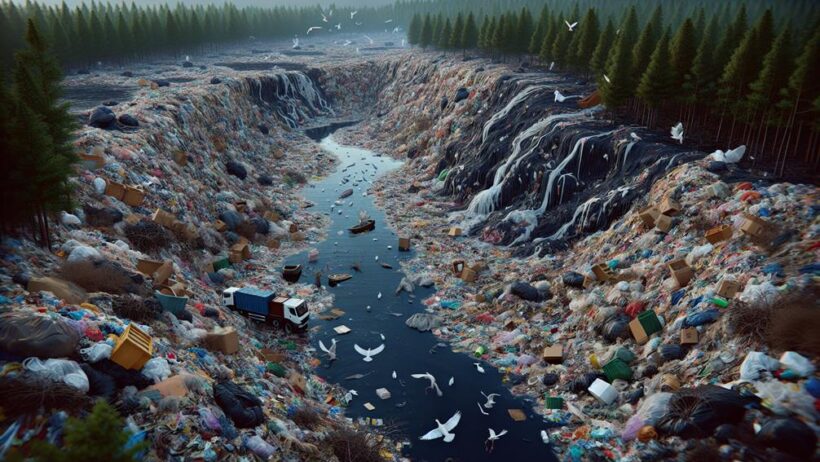
One of the more insidious aspects of polyester lies in its persistence. Unlike natural fibers, polyester is not biodegradable; it can linger in landfills for hundreds of years. This permanence in the natural landscape poses a significant threat to ecosystems. Envision tiny strands of polyester weaving their way into the soil and waterways, gradually integrating into the very fabric of life itself—disrupting aquatic ecosystems and entering the food chain. This phenomenon is not merely a theoretical concern; it is a tangible reality that impacts wildlife and human health alike.
Interestingly, the microplastic problem has further amplified the challenges associated with polyester. Every time polyester is washed, it sheds microscopic plastic fibers that are released into water systems. These microplastics pervade the environment, eventually making their way to oceans and rivers, where they are ingested by marine life. The notion of fish consuming plastic should evoke a visceral reaction. It is a stark reminder of the interconnectedness of life and the violent consequences of convenience.
In reflecting on the appeal of polyester, it becomes vital to consider the larger picture. The allure of affordable fashion often overshadows the latent dangers that come bundled within trendy polyester garments. It begs the question: at what cost do we prioritize convenience and style over our health and the well-being of the planet?
One cannot dismiss the existing alternatives. Organic cotton, linen, and hemp are sustainable fibers that offer eco-friendly choices devoid of the synthetic shadows that accompany polyester. These materials embody a return to harmony with nature, enabling individuals to dress without compromising their health or the environment. Yet, the challenge remains: how do we shift societal norms that have pervasively embraced polyester and fast fashion?
Activism plays an essential role in this transformation. Raising awareness about the health implications of synthetic fibers and their environmental repercussions can catalyze change. Educational initiatives, community campaigns, and sustainable fashion movements have the potential to reshape public attitudes toward garment choices. Imagine a future where consumers actively question the materials that adorn their bodies, opting instead for garments that align with their values of health, sustainability, and ecological responsibility.
In this discourse on polyester’s implications, we unveil a lesson that transcends the material itself. The choices we make ripple through time and space, affecting not only our immediate surroundings but also the planet at large. To don garments made with intention, knowledge, and respect for the environment is to cultivate a future where fashion does not come at the expense of health or ecological balance.
Ultimately, the question is not merely whether polyester clothes are bad for you; it is about envisioning a world where clothing serves as an expression of mindful living. By understanding the implications of polyester and taking proactive steps toward sustainability, we can craft a narrative that celebrates both style and substance—one that honors our health as well as the earth that nourishes us.