
As the world increasingly shifts toward sustainable energy solutions, solar energy has emerged as a frontrunner, promising numerous benefits that are hard to ignore. Yet, it’s essential to approach this glowing prospect with a discerning mindset. What if the very solution that seems so beneficial harbors hidden challenges? Here, we explore seven significant disadvantages of solar energy that one must consider before diving headlong into this bright new world.
1. High Initial Costs
First and foremost, the initial investment for solar panels and installation can be quite staggering. While the prices have decreased over recent years, setting up a photovoltaic system can still require a significant financial outlay. Homeowners are often presented with the prospect of thousands of dollars in upfront costs, and many might find that this expense poses a barrier to entry. Can the long-term savings on electricity bills truly justify such a steep price tag?
2. Space Requirements
Sunlight is a generous energy source, yet it requires ample space for solar panels to operate effectively. Residential installations demand a substantial amount of roof space to harness the sun’s power whereas larger installations need extensive fields or open areas. In urban settings, where space is at a premium, can this be a dealbreaker? The space requirements may limit solar panel implementation for those living in smaller, densely populated environments. It raises a crucial question: is the space available truly optimal for solar energy absorption?
3. Weather Dependency
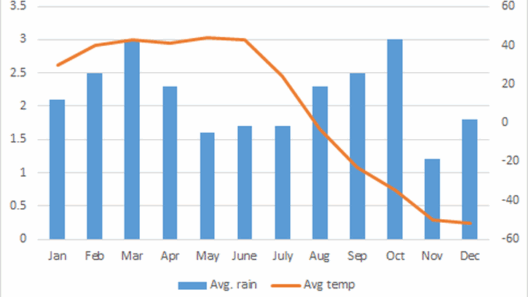
Another conundrum revolves around the weather. Solar energy generation is intricately tied to sunlight availability. On cloudy or rainy days, energy production can significantly diminish, leading to inconsistency in energy supply. Furthermore, seasonal variations may introduce a stark contrast in solar energy availability. For those relying unequivocally on solar energy, how can one ensure a steady energy supply during periods of low sunlight? Backup systems or alternative energy sources become a necessity, which may complicate budgets and energy plans.
4. Environmental Considerations
While solar energy is often hailed as an eco-friendly option, the production of solar panels involves environmentally taxing materials. Manufacturers commonly use silicon, metals, and toxic chemicals, which require careful handling and disposal. Furthermore, the life cycle of solar panels and their subsequent disposal raises additional environmental concerns. Are the environmental impacts of production and disposal being overlooked in the rush to embrace solar energy? A thoughtful examination of these ecological ramifications is critical for a comprehensive understanding of solar energy’s true footprint.
5. Energy Storage Challenges
The intermittency of solar energy raises a crucial question: how do we store excess energy generated during sunny periods for use during the evenings or cloudy days? Battery storage technology has advanced but continues to face challenges regarding capacity, efficiency, and lifespan. Even with improvements in lithium-ion batteries, there remain concerns about their environmental impact and cost. For homeowners and businesses alike, what’s the solution to maintaining a consistent energy supply while navigating the intricacies of energy storage?
6. Grid Compatibility
As solar energy gains traction, the existing power grid must evolve to accommodate this growing influx of decentralized energy. Many grids are simply not equipped to handle the variability and fluctuations brought on by solar energy integration. The infrastructure is often outdated, resulting in inefficiencies and complications with energy distribution. How will utility companies adapt to these changes while ensuring reliability? This compatibility challenge may require significant investment and innovation, and could pose a formidable obstacle as solar energy expands further.
7. Long Payback Period
Finally, while the promise of reduced electricity bills shines brightly from the horizon, the payback period for the initial investment can be lengthy. Depending on energy costs and government incentives, it could take years—sometimes even decades—before the financial benefits mirror the initial expenses. For many households, the long-term commitment may seem daunting. Do the potential savings outweigh the financial burdens endured in the interim? This fundamental question looms large as solar energy advocates try to win over skeptics.
In conclusion, while solar energy undeniably presents a promising pathway toward a greener future, it is crucial to recognize and contemplate its drawbacks. The initial costs, space requirements, weather dependency, environmental considerations, energy storage challenges, grid compatibility, and extended payback periods all highlight the complexities involved in solar energy adoption. As communities and individuals navigate the nuanced landscape of renewable energy, careful scrutiny of these disadvantages becomes paramount. It begs the underlying question: Are we prepared to tackle these challenges head-on as we strive for a sustainable world? The future does indeed shine bright, but only with a balanced understanding of the path we choose to tread.