
As the world grapples with the effects of climate change, the intricate workings of various biomes become more crucial to understand. The taiga biome, a vast expanse of coniferous forest found primarily in northern regions across North America, Europe, and Asia, is particularly fascinating. One of the key aspects of this unique ecosystem is its climatic conditions, especially the average rainfall it receives each year. Wouldn’t it be intriguing to explore how such rainfall patterns shape the landscape, the wildlife, and even human interactions with this biome?
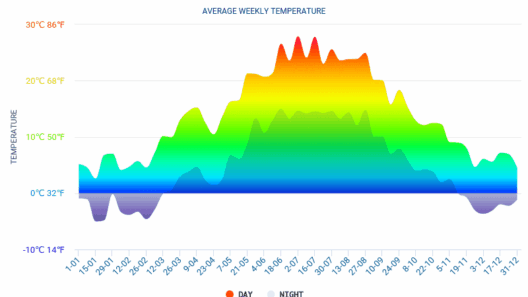
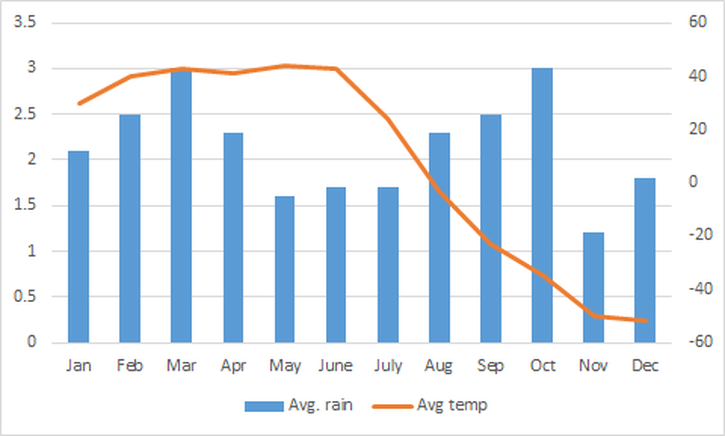
The taiga, often referred to as boreal forest, enjoys a distinctly cold climate characterized by long, harsh winters and short, mild summers. Rainfall here is marginally lower than in other forested biomes, with averages ranging from 12 to 33 inches annually. This may prompt you to ponder: how does such a limited amount of precipitation support the rich biodiversity found within this biome?
To dissect the question of average rainfall in the taiga, it’s essential to first recognize the variability that exists within this biome. The annual precipitation can fluctuate significantly based on geographic location, latitude, and altitude. For instance, taiga regions closer to the Arctic may receive less rainfall than their southern counterparts. Such differences owe much to the patterns of prevailing winds and geographic formations that influence weather systems.
A striking feature of the taiga is its summer season, which, despite being brief, plays a critical role in the precipitation dynamics. During these warmer months, the biome experiences a surge in rainfall due to increased evaporation and condensation processes. This results in cloud formation that brings refreshing showers, albeit short-lived. These rains are pivotal for rejuvenating the ecosystem, but the question remains: are they sufficient to support the myriad species that call the taiga home?
While the taiga may appear sparse compared to its tropical counterparts, its flora has evolved remarkable adaptations to thrive in this climate. The coniferous trees, such as spruces and firs, possess needle-like leaves which minimize moisture loss. Their thick bark provides insulation against the biting cold, while the shape of these trees helps shed heavy snow accumulation. Such features exemplify how life in the taiga has skillfully adapted to the challenges posed by average rainfall and seasonal shifts.
Moreover, the unique interplay of rainfall and temperature creates a soil layer rich in organic material known as humus, resulting from the decomposition of fallen needles and other organic matter. This nutrient-rich soil supports a variety of organisms, from mosses and lichens to larger herbivores like moose and deer. It’s astonishing to consider how rainfall, an often-overlooked phenomenon, is intricately linked to the health and vitality of such diverse ecosystems. What challenges might arise if these rainfall patterns were to shift significantly due to climate change?
Such shifts are increasingly becoming a reality, as research indicates that the taiga is experiencing alterations in its precipitation patterns. Increased frequency of droughts in some areas could lead to ecosystem stress, heightened vulnerability to forest fires, and even population declines among certain species. On the flip side, other regions may experience flooding due to intense, downpour-heavy storms that accompany rising temperatures. Is the balance of life in the taiga delicate enough to hang in the balance of rainfall and temperature changes?
Furthermore, the repercussions of climate change extend beyond environmental impact. Human communities residing near taiga regions might face challenges such as changes in traditional hunting and foraging practices, as local wildlife populations fluctuate in response to evolving climatic conditions. The intricate web connecting climate data, rainfall patterns, and human lifestyles emphasizes the paramount importance of sustainable practices in stewardship of this biome.
To enhance our understanding of the taiga’s climate, it’s vital to look at historical data, juxtaposing present-day observations with past climatic norms. Such analyses can illuminate trends and help predict future rainfall patterns. Engaging in this discourse not only sheds light on the taiga but also encourages a broader contemplation of how our actions impact ecosystems across the globe.
In conclusion, average rainfall in the taiga biome is a critical, yet often understated, component of its fragile ecosystem. As climate dynamics evolve, understanding the implications of rainfall patterns is more vital than ever. Whether it allows trees to flourish, sustains wildlife populations, or influences human communities, rainfall significantly shapes life within the taiga. The pressing challenge posed by climate change serves as a call to action; it urges us to seek equilibrium between development and conservation. Will we prioritize preserving the delicate balance of nature, or will we be indifferent to the intricate dance of rain and resilience in the face of impending changes?