

As the sun dips behind the rugged peaks of the Andes, a tantalizing question emerges among the travelers gathered on the banks of the Beagle Channel: Can you see Antarctica from Argentina? This query, imbued with the allure of exploration and mystery, opens the door to a riveting journey into the geography of South America and beyond.
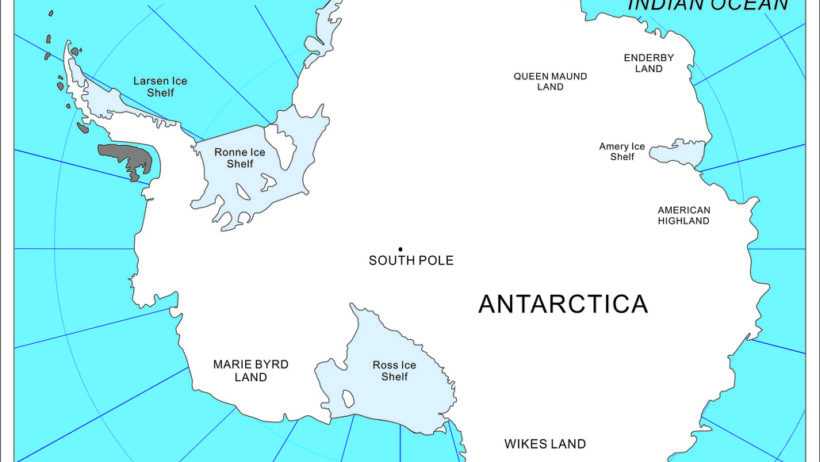
To understand the potential of such a view, one must first delve into the geographical tapestry that knots Argentina and Antarctica together. The southern tip of Argentina, specifically the province of Tierra del Fuego, composes a geographic gateway that skirts the frigid waters of the Drake Passage. Here, the land begins to fray, giving way to the sprawling Southern Ocean, which acts as both a barrier and a bridge between continents. The confluence of these tumultuous waters creates a unique scenario where the Antarctic and South American realms engage in a perpetual dance.
Viewing Antarctica from the southernmost points in Argentina, particularly from places like Ushuaia—often trumpeted as the world’s southernmost city—holds a multifaceted significance. First, there lies the allure of sighting distant landmasses shimmering on the horizon, captured in nature’s own chiaroscuro of light and shadow, where reality blurs into the realm of the sublime. However, the stark geographical truth reveals a blend of atmospheric and oceanic conditions that often veils Antarctica in mystery, making casual viewing a challenge.
The distance between Ushuaia and Antarctica spans approximately 1,000 kilometers or slightly less than 620 miles. This separation, though seemingly trivial in terms of modern exploration, is amplified by the rugged seas that lie in between. The Drake Passage, notorious for its rough waters and capricious weather patterns, creates an ecological and navigational barrier that underscores the formidable nature of this region. Those who dare to cross it must navigate through swells that can rise ominously, a treacherous acknowledgment of the power of nature.
Moreover, understanding the geography of this area involves appreciating the Antarctic Convergence, a crucial hydrological landmark that demarcates the boundary of the Southern Ocean and the frigid Antarctic waters. This underwater phenomenon supports a rich biodiversity and serves to protect the continent from the warmer currents of the Atlantic Ocean. Hence, it is not just the terrestrial presence of Antarctica that intrigues; the surrounding waters teem with a vibrancy that enriches the entire ecosystem, further establishing the connection between the two lands.
The narrative threads linking Argentina and Antarctica can also be traced through historical exploration. Early explorers were not simply motivated by discovery but were often filled with ambition and a profound curiosity that propelled them toward the icy reaches of the South. Their tales are interwoven with a deep sense of adventure as they sketched the contours of this enchanting, albeit inhospitable, landscape. For anyone peering out onto the horizon from Argentina, these stories evoke a shared sentiment with those intrepid souls who first glimpsed the serrated icebergs and towering glaciers of Antarctica. It’s as if the essence of exploration resides within the very air that one breathes in this southern continent.
In contemporary terms, a visual connection with Antarctica is often facilitated through modern technology. Satellite imagery offers a panoramic view and serves as a reminder of the grandeur that lies beyond the horizon; a gateway of pixels that reflects the stark beauty of glacial landscapes. Yet, despite these advancements, the tangible experience remains unmatched. The feeling of standing at the precipice of the known world, watching as clouds kiss the icy peaks at the end of the earth, tugs at the heartstrings, stirring a primal instinct to explore the unexplored.
As one contemplates the potential glimpse of Antarctica from Argentine shores, it’s imperative to engage with the ethical implications of such proximity. The escalating impact of climate change casts a long shadow over this pristine environment, with melting ice threatening both the landscape and the ecosystems it harbors. The Antarctic region, revered for its remote beauty, is not immune to the ravages of human activity, which raises critical questions about sustainability and preservation. Witnessing Antarctica from afar could inspire a burgeoning sense of stewardship toward this fragile continent, spurring individuals to champion its protection amidst a backdrop of unparalleled natural beauty.
Ultimately, the question of visibility transcends mere sight. It’s also about perception. Observing Antarctica from Argentina invites an introspective journey into the warmth of humanity’s quest for knowledge and connection, threaded through the icy climes of the southern continent. The prospect of seeing the land of snow and ice doesn’t merely represent a geographical observation. Rather, it encapsulates an enduring relationship between humans and the environment, one that stirs the heart and awakens the spirit of adventure.
In summary, while the stark reality of viewing Antarctica from Argentina remains fraught with limitations, the rich tapestry of geography, history, and environmental consciousness interwoven into this narrative offers an intriguing exploration of what it means to be on the edge of the world. As the last rays of sunlight fade beyond the southern horizon, the bond between the two lands persists, echoing the age-old human drive to reach beyond the known and embrace the sublime unknown that beckons in the distance.