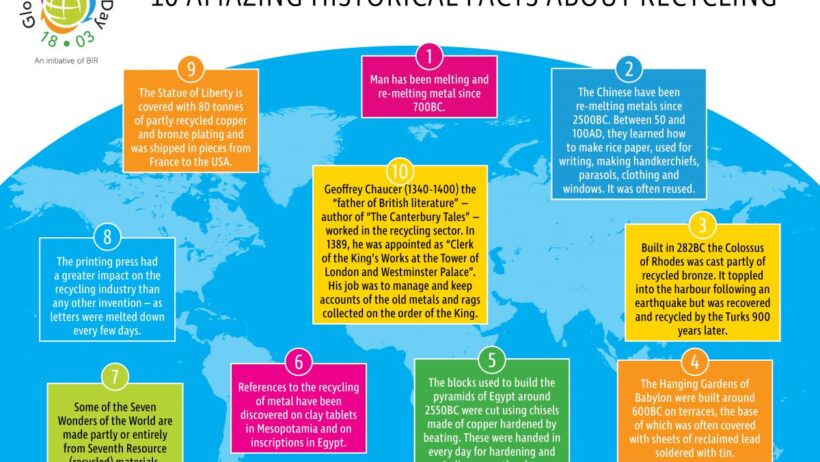

In the realm of environmental sustainability, recycling emerges as a resplendent beacon of hope. It symbolizes our collective effort to harmonize with nature while mitigating the impacts of waste. For students who are the architects of tomorrow, understanding the principles of recycling is akin to wielding a mighty sword against the looming threats of ecological imbalance. Below are ten intriguing facts about recycling that not only enlighten but also inspire action.
1. The Lifespan of a Plastic Bottle
Consider for a moment the journey of a plastic bottle—a humble receptacle for our beverages. When carelessly discarded, it may take over 450 years to decompose in a landfill. This staggering duration raises a compelling question: how can something used for mere moments linger in our environment for centuries? The metaphor of the bottle as an unwelcome guest lingers long after the party is over. Recycling can significantly reduce this persistent presence, transforming bottles into new products and reducing the need for virgin materials.
2. Recycling Saves Energy
Imagine a world powered by clean, renewable energy—a utopia where resources replenish seamlessly. Recycling is a step toward realizing this vision. For instance, recycling aluminum saves up to 95% of the energy required to produce new aluminum from ore. This energy conservation translates to decreased fossil fuel dependence and diminished greenhouse gas emissions. Each can recycled is a small, yet powerful blow in the battle against climate change.
3. The Economic Valuation of Recycling
When you think of recycling, consider it a form of economic alchemy. The practice transforms discarded materials into viable commodities, generating jobs and revenue. In the United States alone, the recycling and reuse industry accounts for over 1.1 million jobs and contributes over $236 billion to the economy. By funneling discarded items back into the production cycle, communities can flourish, fostering an economy rooted in sustainability.
4. Recycling Reduces Landfill Waste
The ever-expanding bulwark of landfills encroaches upon our environment like a relentless tide. Recycling aims to stem this flow of waste, converting a staggering 66 million tons of municipal solid waste into reusable materials annually. This endeavor not only conserves space but also mitigates the myriad environmental issues associated with landfill overflow, such as soil and water contamination. Each item recycled is a victory against the advances of waste, a testament to human ingenuity.
5. Paper Recycling Saves Trees
Picture a majestic tree, towering and resilient, its branches stretching toward the sky. Each page of paper that is recycled signifies a small part of this enduring ecosystem preserved. Recycling one ton of paper conserves approximately 17 trees, underscoring the interconnectedness of our actions and the natural world. For students who cherish their local environment, understanding the direct impact of their recycling habits can instill a sense of responsibility and reverence for trees and forests.
6. The Global Recycling Rate
In the grand tapestry of global environmental efforts, recycling rates vary significantly. While countries like Germany boast recycling rates exceeding 65%, the United States flounders with rates around 35%. This disparity reveals not just cultural differences but also varying levels of awareness and commitment to sustainable practices. The challenge for students is to elevate this conversation, advocating for improved systems in their own communities.
7. Electronics Are Recyclable
In our digital age, electronic waste has burgeoned into a significant concern. Imagine a world where smartphones, tablets, and computers—the very devices that connect us—are disposed of recklessly, leaching hazardous materials into our ecosystems. Recycling electronics mitigates this risk, allowing valuable metals and materials to be extracted and reused. By promoting responsible disposal and recycling of e-waste, we uphold both technological innovation and environmental integrity.
8. The Importance of the ‘Three Rs’
Students are often introduced to the mantra of “Reduce, Reuse, Recycle,” yet the importance of this trinity cannot be overstated. Each “R” bears import, with reduction serving as the first line of defense against waste. By minimizing consumption, we diminish the burden on manufacturing and disposal systems. Reuse encourages creativity—transforming what is old into something new, while recycling ensures that what cannot be reused finds new life. The symbiotic relationship among the three fosters a holistic approach to sustainability.
9. The Role of Community Initiatives
Community-driven recycling initiatives resemble a patchwork quilt, with each effort contributing to a larger, vibrant tapestry of sustainability. Local programs, such as recycling drives and educational workshops, empower students to become leaders in their communities, inspiring collective action. Each volunteer hour invested is a stitch that fortifies the fabric of environmental consciousness, linking past, present, and future generations in the quest for a cleaner planet.
10. The Future of Recycling
As technology advances, the prospects for recycling continue to expand. Innovations, including chemical recycling and improved sorting technologies, promise to streamline the process, making it more efficient and effective. Students today hold the keys to unlocking this potential; by embracing and advocating for these innovations, they can sculpt a future where waste is not an inevitability but a resource waiting to be reclaimed.
In conclusion, recycling weaves a narrative of hope, resilience, and responsibility. For students, the facts outlined here encapsulate not just information, but a call to action. By engaging with the principles of recycling, they become stewards of the environment, advocating for a sustainable future that reverberates through generations. Each decision they make—whether in the classroom or at home—contributes to a story far grander than themselves, crafting a legacy that honors the Earth and ensures its vitality for years to come.