
Imagine a grand stage where the sun bathes the earth in golden light, and the intricate dance of life unfolds. On this stage, every creature plays a role, contributing to the mesmerizing performance of nature. Among the most vital players are the consumers and producers, two fundamental components of the ecosystem that help maintain the balance of our world.
Understanding consumers and producers is not only essential for comprehending ecological dynamics, but it also reveals the interconnectedness of life. In essence, producers and consumers are the building blocks of food chains and food webs, creating complex networks that sustain various life forms. Let’s embark on a journey to discover the fascinating worlds of these two groups.
The Producers: Solar-Powered Architects of Life
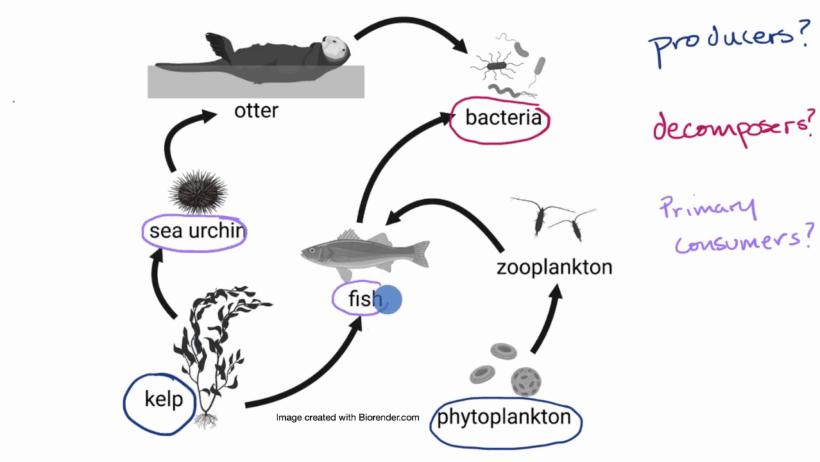
Producers, often referred to as autotrophs, are the architects of our ecosystem. They possess a remarkable ability to harness solar energy through a process known as photosynthesis. Think of them as the ultimate chefs, using sunlight, carbon dioxide, and water to concoct their food. But they do more than just serve themselves; they create the very foundation of energy upon which all other life depends.
Picture a vibrant green field dotted with wildflowers. Here, you will find various types of producers, including grasses, flowers, shrubs, and trees. Each one plays a unique role in the rhythm of that environment. For instance, a towering oak tree provides shade and shelter, while the delicate petals of a daisy attract pollinators.
Producers are not limited to land; aquatic environments teem with producer organisms too. Phytoplankton, microscopic plants found in the ocean, produce an astonishing amount of oxygen—about 50% of the Earth’s oxygen, to be precise. These tiny powerhouses are fundamental to underwater ecosystems, fueling the lives of various marine species.
Through their ability to transform sunlight into energy, producers are akin to solar panels, capturing and converting energy into forms that other organisms can utilize. This makes them invaluable players in the grand saga of life.
The Consumers: Nature’s Resourceful Feeders
While producers set the stage, consumers bring life to the performance. Defined as heterotrophs, these organisms rely on others for their energy and nutrients. Think of them as the eager audience that delights in the fruits of the producers’ labor. Consumers come in diverse forms, each with its distinct role, and they can be categorized into several groups based on their diets.
First, we have the herbivores, the plant-eaters of the animal kingdom. Picture a peaceful meadow filled with bunnies munching on clover or a majestic giraffe reaching high into the treetops for tender leaves. These consumers depend entirely on producers for sustenance, and without them, their survival would be impossible.
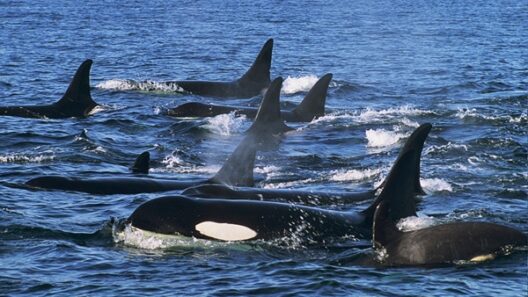
Next, enter the carnivores: the hunters and gatherers of the animal world. These predators feast on herbivores and, occasionally, other carnivores. Imagine a fierce lion stalking through the grasslands, embodying power and agility. Carnivores play a crucial role in regulating herbivore populations, maintaining the delicate balance of their ecosystems.
Then, we encounter omnivores, the versatile eaters that thrive on both plants and animals. Bears, for instance, will feast on berries in the summer while fishing for salmon in the fall. This adaptability allows omnivores to occupy various ecological niches, ensuring their survival amid changing conditions.
Finally, we have decomposers, the unsung heroes of the ecosystem. While not technically consumers in the traditional sense, decomposers like fungi and bacteria play a vital role in breaking down organic matter. Imagine a forest floor blanketed in fallen leaves, soon to be consumed by a web of decomposing organisms. Their work enriches the soil, allowing new life to flourish, completing the cycle of existence.
The Interconnected Dance of Life
As we explore the ecosystems they inhabit, it becomes clear that producers and consumers are not isolated entities. Instead, they are intertwined in a complex web of relationships. The energy flow from sunlight to producers, then from producers to herbivores, and subsequently from herbivores to carnivores demonstrates the delicate balance that sustains life on Earth.
Consider the food chain analogy, a linear representation where producers are at the bottom, followed by consumers. However, this model does not fully capture the intricate dynamics at play. In reality, food webs—networks of interconnected food chains—better illustrate how organisms interact and depend on one another.
One small shift in this tapestry can lead to significant changes throughout the ecosystem. For instance, if the population of a primary producer were to decline due to environmental changes, it would consequently affect the consumers that rely on them. This ripple effect underscores the importance of every species, no matter how small.
Conservation and Our Role
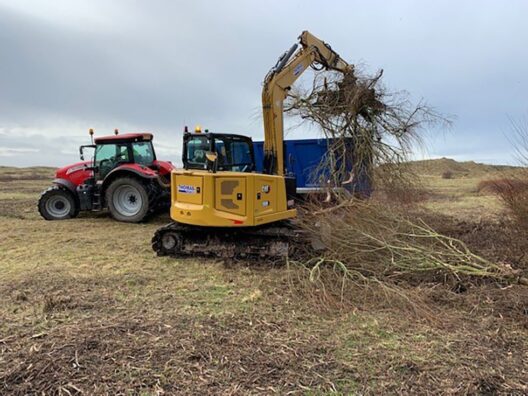
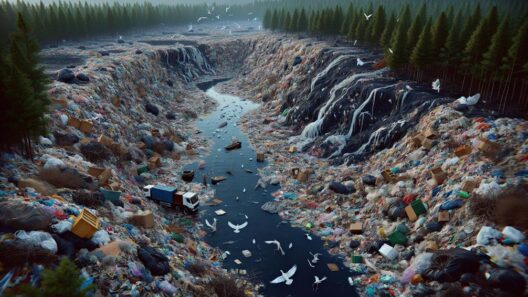
In today’s world, the delicate balance of ecosystems is increasingly threatened by human activities. Habitat destruction, pollution, and climate change pose significant risks to both consumers and producers. As stewards of the planet, it is our responsibility to protect these intricate networks and ensure their continued existence.
Simple actions, such as planting native species in our gardens, reducing plastic use, and supporting sustainable practices, can contribute to the well-being of producers and consumers alike. By acknowledging our roles in this interconnected web of life, we can help preserve the natural wonders that surround us.
The story of consumers and producers is not just about biology; it is a narrative that encapsulates the essence of life itself. These organisms, with their diverse forms and functions, remind us of the beauty and complexity of the natural world. As we reflect on their roles, let us be inspired to protect and preserve the ecosystems that sustain us all.