
When the sun unfurls its radiant arms each morning, it casts an abundance of energy that can either be harnessed or embraced organically. This duality of solar energy manifests itself in two principal methodologies: active and passive solar energy. Imagine standing at the divergent paths of a sun-drenched forest, where each route leads to a unique experience. One path overtly utilizes technology to capture the sun’s warmth and light, while the other, more subtle and instinctive, employs design and materials that naturally optimize solar energy without mechanical intervention.
Understanding the differences between active and passive solar energy is vital for anyone wishing to dive deeper into the realms of sustainable practices. While both systems inherently rely on the sun’s energy, they embody contrasting philosophies and methodologies. Each has its own merits, attendant technologies, and applications. Herein lies an exploration designed to illuminate these differences in vivid detail.
Active Solar Energy: Harnessing the Sun’s Force
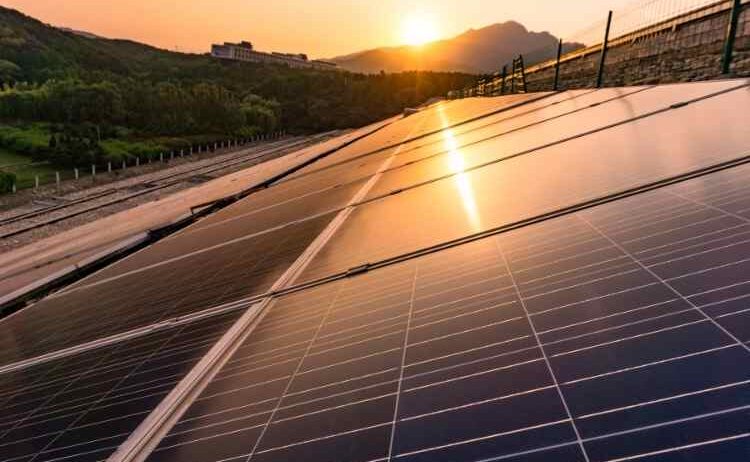
Active solar energy systems demonstrate a pro-active approach to harnessing sunlight. Much like a skilled fisherman casting a net, these systems actively seek to capture the sun’s rays and convert them into useful forms of energy. Active solar technologies typically include solar panels, photovoltaic cells, and solar thermal collectors. They embody a mechanical essence, characterized by the integration of electrical and electronic systems designed to optimize energy conversion.
One of the hallmark features of active solar energy systems is their ability to generate electricity or heat on demand. This is achieved through the deployment of solar photovoltaic (PV) panels, which convert sunlight directly into electricity. The process can be likened to alchemy: raw sunlight is transformed into a golden current that powers homes, businesses, and electric vehicles alike.
Furthermore, active solar collectors can be utilized for heating applications. Solar water heaters, for instance, are adept at tapping into the sun’s thermal energy. Using a series of collectors and pumps, these systems circulate heat-absorbent fluids through panels installed on rooftops. As the fluid warms, it can be directed to heat water for domestic use, illustrating a practical approach to energy efficiency and cost reduction.
Passive Solar Energy: A Symphony of Design
On the other hand, passive solar energy is akin to a world that dances in perfect harmony with its environment, embracing a philosophy that is often serene yet profound. Instead of mechanics, it relies on architecture, materials, and strategic orientation to facilitate natural heating, lighting, and cooling. Think of it as a symphonic masterpiece where every note is carefully curated to produce an elegant sound of functionality and aesthetics.
Architectural elements such as large south-facing windows maximize solar gain in winter, while strategically placed overhangs can provide respite from excessive heat in the summer. Such design choices reveal a mastery of light and shadow, warmth and coolness—a testament to the thoughtfulness inherent in passive solar strategies.
Materials also play a pivotal role in passive solar energy dynamics. Elements that possess high thermal mass—such as concrete or stone—absorb heat during the day and release it slowly as temperatures drop, thereby evening out temperature fluctuations in a home or building. This not only enhances comfort but reduces reliance on active heating systems.
Key Differences: Contrasting Approaches
While both active and passive solar energy champion sustainability, their contrasting paradigms delineate clear differences:
- Mechanism: Active systems utilize technology, mechanical devices, and electrical components to regulate energy collection. Conversely, passive systems prioritize architectural design and natural materials, emphasizing a more innate relationship with the environment.
- Energy Generation: Active systems generate usable electricity or heat actively, while passive methods facilitate long-term energy savings without direct electricity generation.
- Cost Implications: Active systems often demand higher upfront investments due to equipment costs, installation, and maintenance. In contrast, passive solar design adjustments can often be seamlessly integrated into new constructions or renovations, resulting in less financial burden in the long run.
- Maintenance: Active systems require regular maintenance and monitoring to ensure optimal performance. In contrast, passive systems generally demand less upkeep, as they are woven into the fabric of the building structure itself.
- Ecosystem Integration: Active solar solutions can sometimes disrupt the cultural landscape with their industrial aesthetics. Passive solar design, however, generally augments and enhances its environment, demonstrating a commitment to aesthetic sensibility and ecological integrity.
Examples of Implementation
Across the globe, various examples illustrate the effectiveness of both active and passive solar strategies, painting a rich tapestry of innovation and adaptation.
Consider the solar farms sprawling across the arid landscapes of California. These active solar installations are marvels of engineering, harnessing the sun’s energy in large quantities to power entire communities. Alternatively, the adobe homes of New Mexico exemplify passive solar architecture. With thick walls and strategically placed windows, these homes invite warmth during the day while remaining cool at night.
This juxtaposition highlights the profound impact and flexibility inherent in both active and passive solar energy solutions. Each serves as an essential thread in the broader tapestry of sustainable energy practices.
The Future of Solar Energy
As the quest for energy efficiency and climate resilience continues to escalate, the conversation surrounding active versus passive solar energy is becoming increasingly significant. Both systems offer unique and substantial advantages, compelling frameworks within which society can glean maximum benefit from the sun’s bounty.
The path forward leads toward a holistic approach, blending both methodologies to create environments that are not just functional but also celebrate the intrinsic beauty of nature. As we tread upon this winding road, we acknowledge that solar energy is not merely a resource to be exploited; it is an intimate collaboration between humanity and the natural world.
In this sun-drenched era, the choice between active and passive solar energy reveals not only differing tactics but also insights into our values and visions for a sustainable future. It is a timeless dialogue with our celestial companion, generating energy, hope, and a new era of consciousness shaped by sunlight.