
When contemplating the future of energy production, one cannot overlook the allure of wind turbines standing tall against the horizon. These giants of modern engineering symbolize the shift toward sustainable energy sources and the imperative to address climate challenges. But as we examine the intricacies of harnessing wind for clean energy, one must ponder: are the potential benefits of wind turbines worth the challenges they pose?
To embark on this exploration, it’s essential to dissect the advantages wind turbines bring to the table. The following points elucidate the manifold benefits of adopting wind energy in our quest for a cleaner planet.
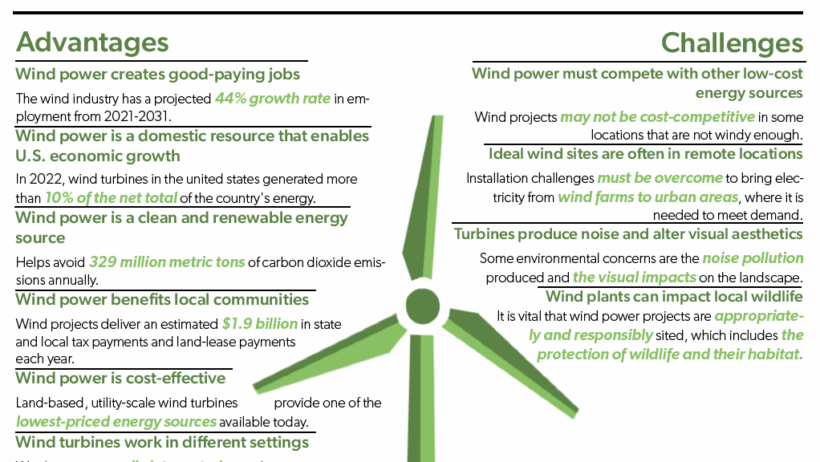
- Renewable Energy Source: Wind energy is inexhaustible. Unlike fossil fuels that deplete over time, the wind is a natural phenomenon that will persist as long as the sun shines. This intrinsic characteristic positions wind as a sustainable solution to meet our ever-growing energy demands.
- Reduced Greenhouse Gas Emissions: One of the most significant advantages of wind turbines is their ability to generate electricity without emitting harmful greenhouse gases. Switching from fossil fuels to wind energy can substantially lower carbon footprints, contributing to a healthier atmosphere and combating climate change.
- Economic Benefits: The wind energy sector has burgeoned into a robust industry, creating thousands of jobs. From manufacturing to installation and maintenance, wind turbines stimulate local economies, fostering job growth in various sectors.
- Energy Independence: By harnessing local wind resources, countries can reduce their reliance on imported fossil fuels. This shift toward self-sufficiency strengthens national security and mitigates vulnerability to global market fluctuations.
- Low Operating Costs: Once installed, wind turbines have relatively low operational costs. The primary expense arises during the initial setup, but the ongoing costs are significantly reduced compared to conventional energy generation methods, particularly as technology improves and becomes more efficient.
- Land Usage: Wind farms can coexist with agricultural practices, allowing for dual land use. Farmers can maintain their crops or livestock activities while generating additional income from leasing land for turbine placement, maximizing the utility of their property.
These remarkable advantages paint a hopeful picture. However, it is crucial to maintain a balanced perspective by acknowledging the intrinsic challenges associated with wind turbines. The complexities of implementing wind energy solutions warrant careful consideration. What about the drawbacks?
- Intermittency and Reliability: Wind is inherently variable. Unlike solar energy, which has a predictable pattern based on sunlight exposure, wind speeds can fluctuate dramatically. This inconsistency can lead to challenges in supplying a steady energy output, necessitating supplementary power sources to meet demand.
- Impact on Wildlife: Wind turbines can pose threats to local wildlife, particularly birds and bats. Collisions with turbine blades have raised concerns among environmentalists, necessitating careful site selection and technology advancements to mitigate these impacts.
- Noise Pollution: The whirring sound of turbine blades can contribute to noise pollution, potentially disrupting nearby residents and wildlife. This auditory aspect raises questions about the social acceptance of wind farms in populated areas.
- Visual Aesthetics: The sight of towering wind turbines against natural landscapes sparks a contentious debate. Some view them as an eyesore that detracts from the beauty of the environment. Balancing aesthetic values with the need for clean energy remains a complex societal challenge.
- High Initial Costs: While operational costs may be low, the upfront investment for wind farm construction can be substantial. Financing such projects can prove daunting, necessitating governmental support and incentives to cultivate growth in this sector.
- Land Use Conflicts: The establishment of wind farms may encounter opposition from local communities regarding land rights and usage. Engaging stakeholders and addressing their concerns is paramount to advancing wind energy projects successfully.
Despite the imminent hurdles, innovations in technology and design are continuously addressing these disadvantages, paving the way for a more sustainable future. Are we, then, ready to embrace wind energy in a manner that harmonizes the benefits with the systemic challenges? The necessity for a collaborative, informed approach includes rigorous research, innovative farming practices, and fruitful dialogue among stakeholders.
Moreover, the transition to wind energy is a call to collective action. It urges us to tap into our resourcefulness to figure out how best to integrate wind power within our existing frameworks. Ultimately, the question remains: Can we strike a balance, harnessing the winds without losing sight of the environment they inhabit?
In conclusion, as we navigate the turbulent waters of energy transition, wind turbines stand as both harbingers of hope and reminders of the hurdles we face. By comprehensively understanding and addressing the advantages and disadvantages, society can cultivate a future that not only prioritizes clean energy but fosters a resilient ecosystem in the process. The future beckons us not merely to choose between wind or other energy sources, but to cultivate a rich tapestry of options that honor our planet and its myriad inhabitants.