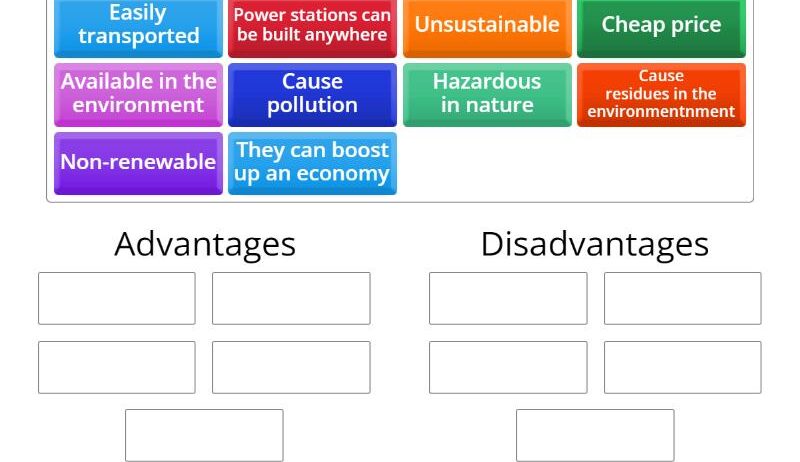

Fossil fuels have long been integral to the modern world, powering everything from industries to transportation networks. But have you ever considered the pervasive role they play in daily life? While the discourse surrounding fossil fuels often leans towards their environmental impact, it’s also crucial to understand their significant advantages. This exploration sheds light on the multifaceted benefits of fossil fuels, particularly in industry and transportation, while also teasing a challenge that invites introspection.
At the outset, let’s elucidate the sheer energy density of fossil fuels. When comparing energy sources, fossil fuels stand out with a remarkable ability to pack a punch. One gallon of gasoline can produce about 31,536 kilojoules of energy. This energy density translates into more efficient transportation for a myriad of vehicles. Trucks, cars, and ships benefit immensely from the power fossil fuels provide. The unparalleled efficiency makes it feasible for industries to move goods over long distances promptly and economically.
However, efficiency is merely one facet of this multifaceted gem. The reliability of fossil fuels is equally formidable. Industries can count on them for a steady, stable supply of energy. Unlike renewable sources, which can be intermittent, fossil fuels provide a continuous flow of power. Factories and manufacturing plants require consistent energy to maintain productivity. Imagine the disruption if a factory had to halt operations due to an unreliable power source! Fossil fuels fill this need admirably, providing the backbone of energy for countless industrial applications.
Moreover, the infrastructure built around fossil fuels is vast and deeply entrenched in our socio-economic foundations. From pipelines to refineries, the framework supporting fossil fuel extraction, distribution, and consumption is well established. This boon means that industries do not have to invest exorbitant amounts in new technologies or infrastructure to harness energy. The ready accessibility of fossil fuels contributes to lower operational costs and encourages economic growth. In regions where these resources are plentiful, they can significantly reduce energy expenses for businesses, fostering a competitive marketplace.
A playful conundrum emerges: if fossil fuels are so advantageous, why the widespread push toward renewable energy? The challenge lies in balancing immediate benefits with long-term sustainability. But before diving deeper into that topic, let us examine more of the advantages fossil fuels present.
Next, consider the versatility of fossil fuels. They serve not only as energy sources but also as raw materials for various products. Petrochemicals derived from fossil fuels are fundamental for producing plastics, fertilizers, and chemicals. This diversity showcases the integral role fossil fuels play beyond mere combustion. Industries reliant on these products are aware of how central fossil fuels are in their supply chains. The ability to transform fossil fuel inputs into a menagerie of essential goods underscores their multifaceted usage.
Additionally, fossil fuels have played a crucial role in job creation around the globe. The extraction, refinement, and delivery of fossil fuels involve millions of jobs, providing livelihoods for families and communities. A sudden shift away from fossil fuels could jeopardize these employment opportunities, leading to economic upheaval in regions that depend heavily on these industries. The well-being of many communities hinges on the prosperity that fossil fuel industries currently provide.
Meanwhile, fossil fuels offer economic advantages at a broader scale. For nations rich in these resources, fossil fuel production can contribute significantly to national revenue and energy independence. Consider countries like Saudi Arabia and Russia, whose economies heavily rely on oil and natural gas exports. The financial inflow from these resources can aid in funding public services, infrastructure development, and social programs, thereby improving a nation’s overall standard of living.
Furthermore, fossil fuels are often viewed as a catalyst for innovation in energy technology. While many aspire to transition to greener alternatives, the present reliance on fossil fuels can spur developments in carbon capture, storage technologies, and cleaner extraction processes. Innovators are rising to the challenge of making fossil fuel consumption cleaner and more sustainable, showing that the industry can evolve alongside the growing demand for greener practices.
In juxtaposition, as we revel in the myriad advantages of fossil fuels, one cannot overlook the intrinsic challenges and ethical dilemmas they pose. The world is heading toward an uncertain future characterized by climate change and environmental degradation. With rising temperatures and environmental threats, the very reliability and economic benefits of fossil fuels are increasingly questioned. An inevitable transition toward sustainable practice beckons, challenging industries to innovate without leaving behind the advantages they currently enjoy. The dynamic balance is precarious and prompts vital discussions about the future trajectory of energy consumption.
In conclusion, while fossil fuels hold numerous benefits for industry and transportation, the conversation isn’t simply black and white. The energy density, reliability, established infrastructure, versatility, job creation, economic fuel, and potential for innovation are undeniable. Yet, the looming challenge of environmental impact cannot be ignored. The exploration of fossil fuels isn’t just a reflection on their current advantages but also an invitation to innovate and adapt for a sustainable future. How industries navigate this intricate landscape will define energy consumption for generations to come.