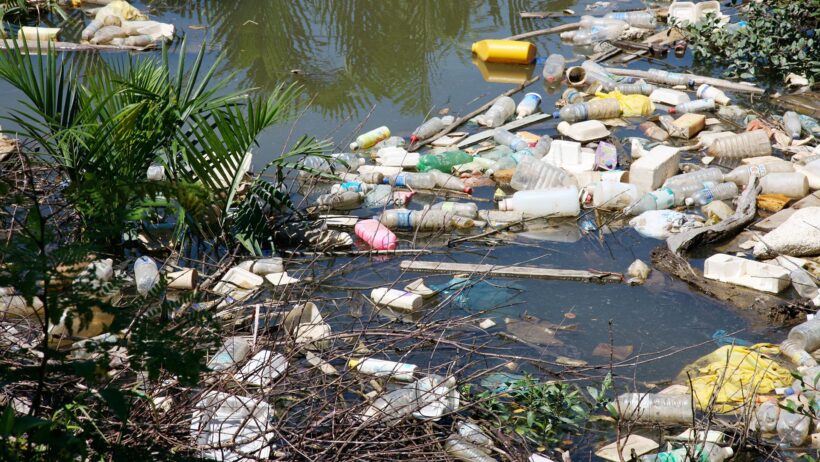

Land pollution is an insidious affliction that affects the very fabric of our environment. It is characterized by the degradation of the earth’s surface, primarily due to human activities. This phenomenon is more than just an eyesore; it has profound implications for ecosystems, human health, and the broader climate. While many may perceive land pollution as a distant issue, its far-reaching impacts demand our immediate and undivided attention.
Understanding the causes of land pollution is the first step in unraveling this complex problem. Urbanization stands as one of the primary culprits. As cities expand, they consume vast tracts of land, which not only leads to habitat destruction but also the proliferation of waste. Construction debris, excess cement, and untreated sewage from burgeoning urban centers often find their way into the environment, contaminating soil and waterways.
A close examination reveals that industrial activities are another significant contributor. Factories often release hazardous by-products that infiltrate the soil. Heavy metals, solvents, and other toxic materials accumulate, disrupting soil health and entering the food chain. The chemical residues from agricultural practices compound this issue. Pesticides and fertilizers, while designed to enhance crop yields, can leach into the soil, posing threats to both flora and fauna.
Moreover, improper waste disposal adds another layer of complexity to the land pollution crisis. Landfills are overflowing due to escalating consumption patterns. They emit not only foul odors but also toxic leachates that permeate the ground, seeping into aquifers. Inadequately managed electronic waste—often referred to as e-waste—further exacerbates the situation. The components contain hazardous substances like lead and mercury that pose significant dangers when disposed of irresponsibly.
Now that we have identified the catalysts for land pollution, it is imperative to explore its effects, which seep into every corner of our lives. The first and most glaring consequence is the degradation of soil quality. Contaminated land becomes uninhabitable for many forms of life. The nutrient cycle is disrupted, resulting in diminished agricultural productivity. Crops grown in tainted soil may exhibit poor yields, and worse, may be hazardous for human consumption.
Human health is inextricably linked to the health of the land. Polluted soil can lead to severe health issues, including respiratory problems, hormonal disruption, and even cancer. The toxins present have been implicated in a myriad of health conditions, affecting not only those who work the land but entire communities. Children, especially, are vulnerable; their developing bodies are easily compromised by exposure to hazardous substances.
Further repercussions are felt at the ecological level. Biodiversity suffers as habitats are destroyed and contaminants wreak havoc on delicate ecosystems. Species reliant on these habitats for survival face extinction. The depletion of soil nutrients affects plant growth, which in turn has a cascading effect on herbivores and predators alike. This interaction highlights the intricate web of life that exists and underscores the urgency of addressing land pollution.
One cannot overlook the relationship between land pollution and climate change. The degradation of the land contributes to increased greenhouse gas emissions. As soil loses its integrity, the carbon stored within it is released into the atmosphere, exacerbating global warming. Moreover, polluted land can diminish the earth’s natural ability to sequester carbon, intensifying the ongoing climate crisis.
Addressing land pollution requires a multifaceted approach. Education and awareness are crucial in fostering a collective shift toward sustainable practices. Individuals can contribute by reducing, reusing, and recycling. Communities can advocate for stricter regulations on industrial waste management. Governments must enforce policies aimed at reducing waste, encouraging clean technologies, and restoring contaminated lands.
Innovative solutions such as bioremediation offer promise. This process employs living organisms to clean up polluted environments by breaking down toxic substances. Similarly, urban farming and green infrastructure initiatives can rehabilitate contaminated lands, promoting biodiversity and food security. These methods not only alleviate the impacts of pollution but also empower communities to reclaim their environment.
On a grand scale, global collaboration is essential. Nations must share knowledge, technology, and best practices to combat land pollution collectively. This is not merely a local issue; it is a global imperative. International treaties and agreements can serve as mechanisms to hold countries accountable in their fight against land pollution.
In conclusion, the realities of land pollution are sobering. Its causes are deeply entrenched in our modern lifestyles, and the effects are far-reaching. Yet, this grim narrative is not beyond reclamation. By shifting our perspective and adopting a proactive stance, we can cultivate a healthier planet. The future of our environment, public health, and biodiversity hinges on our actions today. As stewards of the earth, it is our responsibility to confront the challenge of land pollution with tenacity and resolve. The time for change is now, and the responsibility lies with us—all of us—to rethink our relationship with the land and take action toward a more sustainable future.