


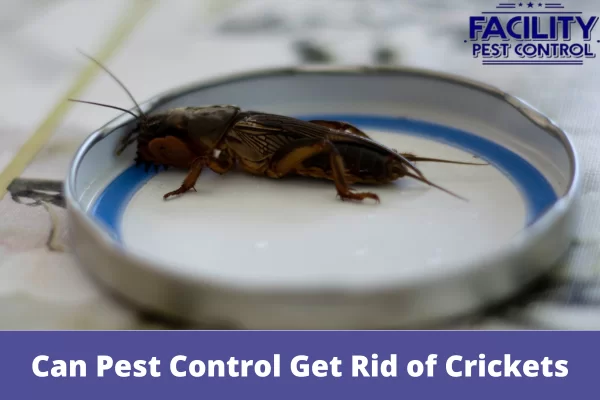

Are crickets good for the garden? This question may stir a mixture of intrigue and skepticism among gardeners and nature enthusiasts alike. On one hand, crickets are often viewed as pesky pests; on the other, they may serve as unsung heroes in the ecological balance of a garden. This prompts us to explore the intricate dance of life that crickets perform within our green spaces and how their presence can be both beneficial and detrimental.
The crickets we often encounter in our backyards, particularly in warm-weather climates, are not just random insects that chirp melodiously on summer nights. They play essential roles within their ecosystems, engaging in behaviors that might even aid in maintaining the delicate biosphere of your garden.
Firstly, let’s delve into the herbivorous side of these insects. Crickets are omnivores, feeding on a diverse diet that includes plant material, decaying organic matter, and other insects. If you are wondering whether they will munch on your prized petunias, it’s crucial to note that crickets generally prefer to consume dead and decaying plant matter, thereby assisting in the decomposition process. Their action contributes to nutrient cycling in the soil, enriching it and promoting robust plant growth.
This brings us to the concept of natural pest control, which has been gaining recognition in sustainable gardening practices. Crickets can indirectly contribute to this by serving as a food source for various predatory animals like birds, lizards, and frogs. The presence of crickets in your garden might attract these natural pest controllers, creating an ecosystem where pests such as aphids or caterpillars are kept at bay. However, it poses a conundrum: do you want to welcome crickets—potential carriers of destructive tendencies themselves—into your garden in the hope of enticing their predator counterparts?
To address this challenge, consider the balance of the garden ecosystem. While crickets can indeed become a nuisance, their contribution to the food web cannot be dismissed. Life in the garden thrives on interdependence—each creature fulfilling a role. The art of gardening often lies in understanding and managing these connections rather than resorting to chemical solutions. By encouraging conditions that support cricket populations, you may inadvertently bolster the health of your overall garden.
Moreover, crickets can play a role in soil aeration. As they burrow into the ground, they create small tunnels that allow air and water to permeate deeper layers of soil. This aeration can lead to improved root development for plants, fostering a healthier garden. Of course, one might wonder: can crickets cause significant damage? In small numbers, their impact is minimal. However, an overpopulation of crickets might lead to them feasting on tender seedlings and young plants. Thus, moderation is key.
Let’s not forget about their contributions to biodiversity. A garden bursting with life—be it crickets, beneficial insects like ladybugs, or pollinators like bees—is inherently more resilient. Biodiversity strengthens ecosystems, creating a natural check against pests and diseases. So, by establishing an environment hospitable to crickets, you nourish a multifaceted ecosystem that can withstand various challenges.
Yet, as with any part of nature, there is always a dual aspect to consider. Some gardeners venture into the realm of integrating crickets as an organic pest control option. While not widely utilized, the premise rests on the idea that crickets themselves can be enticed to take up residence by providing suitable habitats—like moisture-retaining mulch or leaf litter—while simultaneously creating shelter for beneficial predators.
For those who lean towards organic gardening, the crickets’ ability to break down organic matter and contribute to soil fertility is a compelling argument in their favor. But herein lies the dilemma: how to keep crickets in check to prevent them from overwhelming your garden while still reaping the benefits they offer? This is the crux of the conversation regarding the merits of crickets in gardening.
To harness the benefits of crickets while maintaining control, consider implementing strategies that promote balance. Introduce natural predators by creating habitats that attract them. Planting a variety of flowering plants can draw in insectivorous birds and beneficial insects that help regulate the cricket population. Additionally, the careful use of barriers can minimize potential damage to sensitive plants while still allowing crickets to do their part in the ecosystem.
In conclusion, crickets hold a paradoxical position within the landscape of gardening. They can be both allies and adversaries. The presence of these chirping creatures signals a thriving ecosystem, yet it requires vigilance and thoughtful management. By acknowledging their role in natural pest control and soil health, while implementing proactive strategies to keep their populations in check, gardeners can appreciate the complexities of this relationship. Ultimately, the question wheeling in your mind is: “Can I coexist peacefully with crickets in my garden?” The answer lies in understanding and navigating the balance that nature so eloquently strikes.