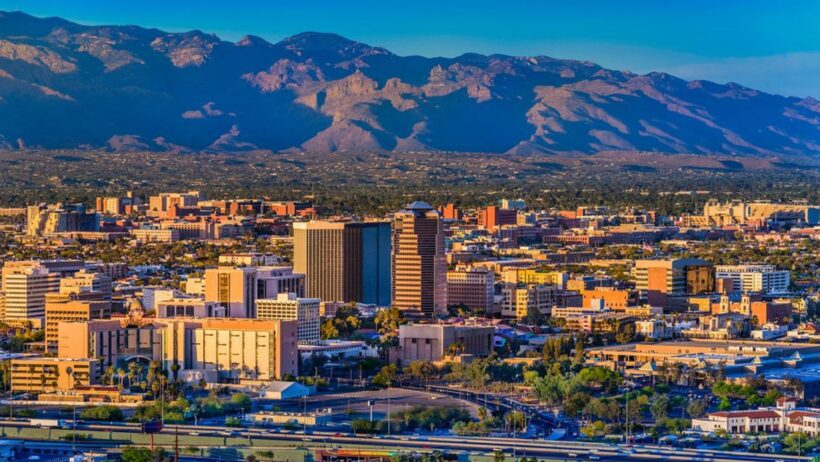

In the sweltering expanse of Arizona’s desert, where the sun casts both a golden hue upon the arid landscape and an oppressive heat that seems to sap vitality, a significant venture has emerged. Bill Gates, the erstwhile architect of Microsoft, has turned his gaze toward the vast stretches of land in Arizona, aiming to carve out a bold experiment in urban development known as Belmont. This ambitious smart city plan is not merely an oasis in a parched desert; it represents an intersection of innovation, sustainability, and the future of communal living.
At its core, the Belmont project encapsulates the timeless human endeavor to transform our environments into reflections of our aspirations. It is reminiscent of the mythical phoenix, poised to rise from the ashes of traditional urban planning, offering a glimpse into a future unencumbered by the errors of past city designs. As urban centers grapple with the implications of congested roadways, polluted air, and inadequate infrastructure, Gates’ initiative signifies a valiant attempt to reinvigorate urban landscapes through technological ingenuity.
The essence of the Belmont initiative lies in the integration of cutting-edge technologies into the very fabric of the city. It promises to pioneer a community where data drives decisions, infrastructure is dynamic, and citizens can seamlessly engage with their environment. Picture this: autonomous vehicles gliding silently along streets that are lined with environmentally friendly materials, while smart sensors monitor energy consumption, ensuring efficiency and conservation. This futuristic tableau evokes the elegance of a well-orchestrated symphony, where each element harmonizes with the others to reduce waste and enhance quality of life.
But what does it mean for Arizona, a state characterized by its natural beauty yet troubled by environmental issues? The development of Belmont carries potential perils alongside its promises. Water scarcity is an omnipresent concern, and the increasing population demands could strain already limited resources. Nevertheless, the project posits solutions through innovative water management systems, possibly reimagining how residents interact with this precious commodity. As the city emerges, it may also stand as a beacon of sustainable practices, enticing eco-conscious individuals and families to invest their futures in a community that seeks to rewire our relationship with nature.
Moreover, one must consider the socio-economic implications that accompany such transformative projects. The allure of a smart city might incite rapid gentrification, pushing long-time residents towards the periphery as affluent newcomers integrate themselves into the fabric of Belmont. It is essential to scrutinize whether this vision incorporates affordable housing and access to equitable resources for all classes, or whether it becomes an irresistible magnet for the elite, leaving others yearning outside the gates.
Conversely, the potential for job creation within Belmont could provide a necessary antidote to the economic malaise facing many regions in Arizona. New industries focused on technology, renewable energy, and sustainable agriculture could germinate within this urban innovation hub, fostering economic resilience. The convergence of minds and resources in Belmont promises to create an incubator for solutions to pressing global issues. As diverse talents collaborate within the city, the very fabric of society could evolve, producing an environment where entrepreneurship flourishes like wildflowers after a monsoon.
The narrative of Belmont extends, however, beyond merely technological or economic considerations. It embodies a philosophical question about our future: What do we want our cities to represent? The implicit challenge lies in crafting a narrative that prioritizes inclusivity while simultaneously embracing innovation. The ethos behind Belmont could become emblematic of a broader cultural shift, one that resonates with the idea that sustainability and technology are not mere buzzwords but are vital for our survival on this planet.
Moreover, environmental activists look upon initiatives like Belmont with both hope and skepticism. Will this smart city become a paradigm for future developments, paving the way for a new harmony between nature and technology? Or will it inadvertently lead to the commodification of our natural resources, cloaked in the guise of progress? Understanding this duality is quintessential for any community grappling with similar aspirations. The story of Belmont is yet to be written, and the fates of its citizens will intertwine with its choices.
In summation, Bill Gates’ investment in Arizona’s Belmont project represents a microcosm of the larger narrative of urban development in a rapidly changing world. It is akin to planting seeds of potential in fertile ground, yet the fruits of such investments must be tended with care. As the sun sets on the horizons of this nascent city, the shadows of economic disparity, environmental concern, and ethical governance loom large. The promise of a smart city rests not solely in its algorithms or architectural brilliance but in its commitment to inclusivity and sustainability. Each choice made in the design and implementation of Belmont will echo throughout the cities of tomorrow, defining what it means to live in harmony with both our environment and technological progress. Will Belmont blossom into a thriving community or wither under the weight of disparity? Only time will tell. The wheels of innovation have begun to turn, and the journey has merely commenced.