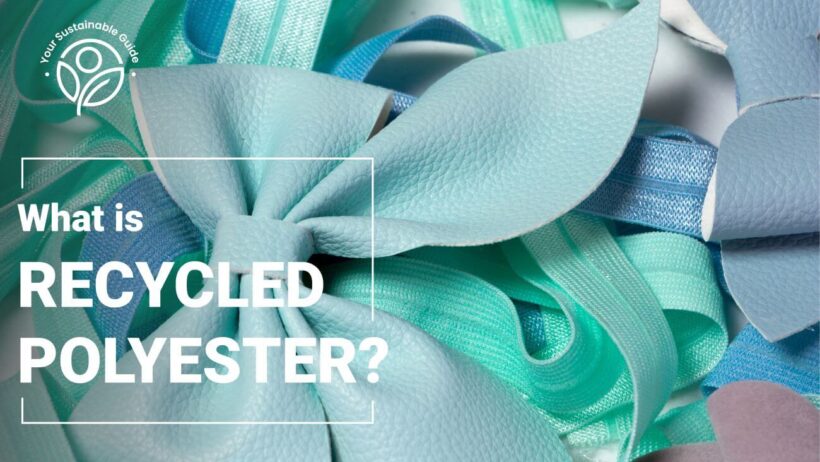

In the ever-evolving landscape of sustainable fashion, the quest to discover brands that consciously reject polyester is becoming paramount. Polyester, a synthetic fabric derived from petroleum, is known for its durability but comes at a significant environmental cost—from the pollution created during its production to the microplastics released during laundry. As eco-conscious consumers become increasingly aware of their purchasing choices, a myriad of brands are stepping up to embrace natural fibers and innovative alternatives. Below, we explore notable brands that are leading the charge in creating a sustainable fashion future.
1. The Allure of Natural Fibers
Natural fibers such as organic cotton, linen, hemp, and Tencel (lyocell) are gaining traction among brands that repudiate polyester. These materials have lower environmental impacts, are biodegradable, and often support regenerative farming practices. Brands focusing on these fibers provide not only an eco-friendlier product but also emphasize the wellness of the planet.
2. Organic Cotton Pioneers
Brands like Patagonia and Eileen Fisher champion organic cotton. Patagonia, renowned for its commitment to the environment, has dedicated substantial resources to sustainable practices. Their organic cotton is grown without toxic pesticides and synthetic fertilizers, making it a wiser choice for the environment. Similarly, Eileen Fisher introduces elegant and timeless pieces crafted from 100% organic cotton, reflecting a balance of style and sustainability.
3. The Linen Revolution
Linen, derived from the flax plant, is an incredibly sustainable choice as it requires minimal water and chemical inputs. Everlane, a brand known for its radical transparency, offers an array of linen garments that breathe effortlessly and epitomize casual sophistication. Their commitment to ethical production practices further elevates their status as sustainability leaders.
4. Embracing Hemp
Hemp is heralded as a wonder fiber, known for its strength and versatility. Brands like Reformation have enthusiastically adopted hemp blends in their collections. Reformation’s stylish offerings underscore the possibility of high-fashion while maintaining a footprint that is light on the Earth. Hemp also improves soil health, making it an excellent choice for eco-friendly fashion.
5. Tencel: The Innovative Alternative
Tencel, produced from sustainably sourced wood pulp, exemplifies the innovation permeating sustainable fashion. Brands like Mara Hoffman and People Tree harness Tencel for its luxurious feel and biodegradable properties. These brands prioritize ethical supply chains and strive for transparency, allowing consumers to make informed choices that align with their values.
6. Sustainable Denim Options
The denim industry, infamous for its environmental footprint, presents a challenge; however, several brands are redefining this landscape. Levi’s has pioneered sustainable practices, utilizing water-saving techniques and organic cotton in its production. Their “Water
7. Footwear: Eco-Friendly Steps
Eco-conscious footwear brands such as Allbirds and Veja serve as paragons of sustainable craftsmanship. Allbirds focuses on materials like merino wool and eucalyptus tree fibers, creating shoes that are both comfortable and kind to the planet. Veja, on the other hand, emphasizes transparency in its production process and uses organic cotton, wild rubber, and recycled materials, demonstrating a holistic approach to environmental stewardship.
8. Accessories with a Conscience
Many brands are seizing the opportunity to redefine accessories without polyester. Matt & Nat, for instance, specializes in vegan bags and accessories, utilizing recycled plastic bottles and other sustainable materials. Their commitment to ethical sourcing extends to all aspects of their production, making a substantial statement against the use of harmful synthetics in fashion.
9. The Impact of Circular Fashion
Circular fashion initiatives are gaining momentum within the sustainable fashion community, encouraging consumers to consider not only the initial purchase but also the life cycle of their clothing. Brands like From the Future and Re:Newcell promote recycling and upcycling, transforming old garments into new pieces, and minimizing waste. Such models exemplify a forward-thinking approach to sustainability, championing a regenerative system that reduces the reliance on virgin materials.
10. The Role of Consumer Education
Ultimately, the success of movements away from polyester hinges on consumer education. Understanding the implications of fabric choices, production practices, and lifecycle assessments can guide informed decisions. Sustainable shopping requires awareness and intention, with a discerning eye on the brands aligning with one’s values. Community initiatives and online platforms amplify awareness and facilitate knowledge sharing, empowering consumers to take action.
In conclusion, the call for brands that eschew polyester is echoed across the sustainable fashion landscape. With a diverse range of innovative materials and ethical practices, brands are paving the way for a future where style does not come at the expense of our planet. Each purchase presents an opportunity to support a vision that prioritizes the environment, and as consumers, opting for these brands is a pivotal step in fostering a more sustainable world.