
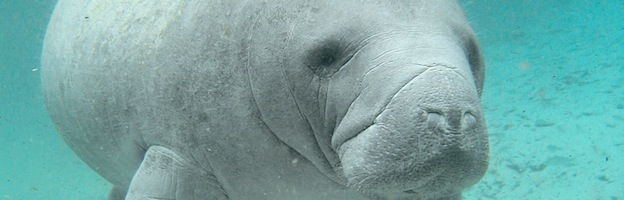

Can a manatee really live on land? This intriguing question leads us into the depths of understanding these remarkable marine mammals. Manatees, often referred to as sea cows, are gentle giants that inhabit the warm waters of Florida, the Caribbean, and along the coastlines of Central and South America. But what would happen if they ventured onto dry land? Could they survive the transition, or would they face insurmountable challenges? To truly comprehend the viability of manatees outside their aquatic environments, we must first delve into their natural habitat and the crucial elements that sustain their existence.
The primary habitat of a manatee is shallow coastal areas, rivers, and estuaries, where they graze on seagrass and other aquatic plants. These marine ecosystems are rich in nutrients and provide an essential food source for these herbivorous creatures. Manatees rely on large expanses of seagrass beds, which require specific water temperatures to flourish. Typically, they thrive in waters warmer than 68°F (20°C). But when we ponder the idea of a manatee living on land, it becomes acutely clear that their specialized adaptations are intrinsically tied to their aquatic lifestyle.
Manatees possess an array of physiological traits that render them superbly equipped for life in the water. Their bodies are streamlined, facilitating buoyancy and efficient movement through dense aquatic environments. The large, paddle-shaped flippers enable them to navigate effortlessly, while their powerful tails are designed for propulsion, allowing them to glide through their habitat with ease. On land, however, these adaptations would become liabilities. Without the support of water, a manatee’s weight could overwhelm its skeletal structure. Adult manatees can weigh between 800 to 1,200 pounds (363 to 544 kg), making it improbable that they could traverse terrestrial surfaces without experiencing severe strain and potential injury.
Moreover, the respiratory systems of manatees are uniquely adapted to their environment. They are mammals, but their time spent submerged demands that they surface for air approximately every 15 minutes. While they are capable of holding their breath for longer durations, their reliance on frequent breathing poses a significant challenge on land. While they can physically breathe air, the absence of water’s buoyancy would be detrimental, leading to respiratory distress in the long run. The risk of overheating also escalates when exposed to direct sunlight, as manatees possess limited mechanisms for regulating body temperature. Under normal conditions, they escape from an unnaturally harsh sun by submerging themselves, seeking refuge in thriving seagrass meadows.
In examining the diet of manatees, we must recognize their specific nutritional requirements. These gentle herbivores consume vast quantities of seagrass, which can average between 10% and 15% of their body weight each day. Their feeding habits reflect their need for an aquatic ecosystem rich in plant life. On land, the availability of these food resources would drastically diminish; manatees would struggle to find sufficient vegetation that meets their dietary needs. The vast majority of their nutritional intake is intricately linked to the underwater ecosystems, making land-based sustenance an impractical consideration.
Manatees do exhibit some behavioral flexibility. They navigate through their surroundings with a certain curiosity, occasionally exploring shallower areas or even gliding into swamps and marshes. Often referred to as “engines of the ecosystem,” they play a critical role in maintaining the health of aquatic environments. By consuming seagrass, they promote growth and encourage biodiversity. However, this flexibility in behavior does not extend to a terrestrial lifestyle. The challenges presented by living on land far outweigh any instinctual curiosity they possess. Their environmental needs define their existence entirely.
The concept of a manatee on land opens the door to the broader implications of habitat loss and climate change. With rising sea levels and pollution threatening their aquatic habitats, manatees are increasingly at risk. Conclusively, it is imperative to ensure the preservation of their natural environment to protect these majestic animals. While their adaptations have finely tuned them for life in the water, it is the aquatic habitat that is crucial to their survival. Conservation efforts are essential to mitigate anthropogenic impacts and foster conditions that support the delicate balance of their ecosystems.
As we conclude this exploration of whether manatees can live on land, it becomes evident that these gentle creatures are quintessentially aquatic. Their intricate adaptations and specific habitat requirements underscore the importance of healthy marine ecosystems for their survival. The playful question of land-dwelling manatees serves as a poignant reminder of the necessity to safeguard their environments. Our role as stewards of the planet demands our action now to ensure that future generations can enjoy the beauty and grace of manatees in their rightful home—the water.