
The Amazon rainforest is often depicted as a verdant paradise teeming with breathtaking biodiversity and resplendent beauty. Yet beneath its lush canopy lies an intricate web of life where danger lurks in various forms. For those who find themselves wandering through this emerald wilderness, understanding the perilous inhabitants is not merely a matter of survival; it offers insight into the delicate balance of the ecosystem.
The Amazon is home to an array of dangerous creatures, many of which evoke a sense of awe and trepidation. From deceptively colorful amphibians to fearsome predators, every organism contributes to a complex tapestry woven with the threads of life and death. As we explore the most hazardous animals within this sprawling landscape, we will delve into their habitats, behaviors, and the fascinating role they play in the environment.
Vipers and Pit Vipers: Silent Predators
Among the most notorious denizens of the Amazon are the various species of vipers and pit vipers, including the infamous fer-de-lance. Known for their potent venom, these snakes are masters of ambush, blending seamlessly with the leaf-strewn forest floor. Their striking coloration—a multifaceted blend of browns and greens—serves as both camouflage and a warning. Often encountered by unwary travelers, a bite can result in severe tissue destruction and systemic effects. Understanding their behavior can greatly diminish the risk of an unwelcome encounter.
Caimans: Apex Predators of the Amazon Basin
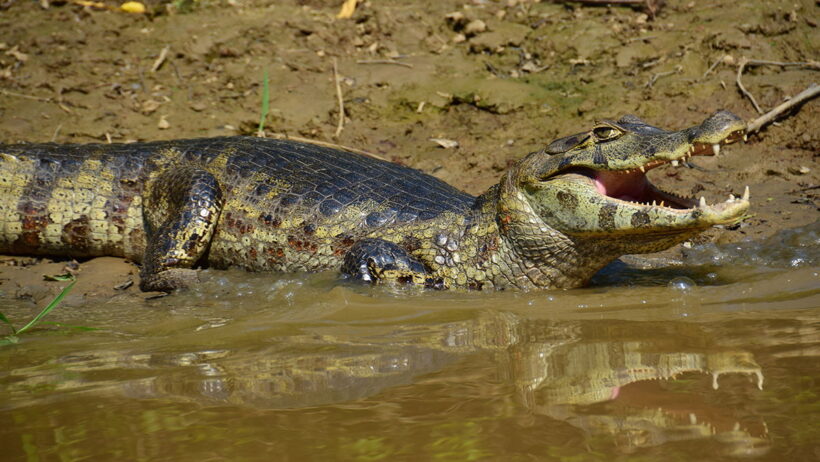
Venture closer to the murky waters of the Amazon River, and you will encounter the fearsome caiman. These cunning reptiles, varying from the diminutive Spectacled caiman to the formidable Black caiman, are ambush hunters. Equipped with powerful jaws and a stealthy swimming ability, they lie in wait for unsuspecting prey. While they primarily roam the waterways, it is not uncommon for them to venture onto riverbanks during the night. Maintaining a safe distance while navigating these regions is paramount for the safety of any adventurer.
Poison Dart Frogs: Vibrant Yet Lethal
A striking juxtaposition to the menacing nature of reptiles are the iridescent poison dart frogs. Found in the underbrush, these tiny amphibians flaunt a kaleidoscope of colors, a warning sign to potential predators. The brightly hued skins are imbued with potent toxins, derived from their diet of specific insects. Although they are not aggressive and pose minimal threat to humans, their vibrant display captivates the imagination, reinforcing the idea that beauty often masks hidden peril.
Jaguar: The Elusive Hunter
No discussion of the Amazon’s dangerous wildlife would be complete without mentioning the jaguar, the rainforest’s apex predator. Possessing extraordinary strength and stealth, these large felines are formidable hunters, preying upon creatures ranging from capybaras to caimans. The jaguar’s intricate spotted coat allows it to remain concealed in the dappled light filtering through the trees. Encounters are rare, yet the sheer presence of such a powerful creature invokes reverence for the balance of nature. Their decline in numbers due to habitat loss and poaching only adds to their mystique and the urgent need for conservation efforts.
Piranhas: The Misunderstood Carnivores
When considering dangers of the Amazon, piranhas often come to mind. Notorious for their ferocious reputation, these fish inhabit the rivers and lakes, forming schools in pursuit of food. While stories abound of their terrifying feeding frenzies, they are not mindless killers; rather, they display complex social behaviors and feed primarily on smaller prey and carrion. Nevertheless, a brief dip in piranha-infested waters can escalate into a perilous situation, reinforcing the notion that one must tread cautiously in unfamiliar territory.
Bullet Ants: Pain Personified
In the world of insects, few intimidate quite like the bullet ant, named for its excruciating sting that has been likened to getting shot. Found deep within the rainforest, these ants are not aggressive unless provoked, making their presence particularly concerning for hikers. Though small in size, their painful bite can incapacitate even the most experienced traveler. Understanding their behavior and steering clear of their nests is essential.
Understanding the Ecological Balance
The marvels of the Amazon rainforest extend beyond individual species; they are intrinsically connected to the larger ecosystem. Dangerous animals often perform critical functions—predators regulate prey populations, while venomous creatures contribute to the dynamics of the food chain. By appreciating the perilous aspects of this habitat, we begin to recognize our interconnectedness with nature.
Moreover, the fascination with these imposing beings serves as a reminder of the respect the Amazon commands. It reminds us to tread lightly upon the earth—to explore without exploiting, to learn without harming. Each creature, no matter how fearsome, plays a role in maintaining the equilibrium of one of the world’s most vital ecosystems.
As stewards of our environment, the challenge lies in fostering a profound understanding of these magnificent beings. Witnessing the majesty of the Amazon requires navigating its dangers with both caution and curiosity. Knowledge empowers us to cherish the wilderness while recognizing the inherent risks of venturing into the deep green, allowing us to not only survive but thrive in the exuberance of nature’s most dangerous realm.