
In the modern world, energy is the catalyst that fuels progress and innovation. The quest for sustainable energy sources, however, often leads us down a path riddled with complexity. This intricacy stems from the multifarious energy options available, each presenting its own unique suite of advantages and disadvantages. As we delve into the nuanced panorama of energy sources, we uncover the common observation that no single source reigns supreme. Instead, it is the amalgamation of various sources that may ultimately define our energy future.
Let us embark on this expedition by categorizing the primary energy sources into renewable and non-renewable categories. The former includes solar, wind, hydroelectric, and geothermal energy, while the latter encompasses coal, oil, natural gas, and nuclear energy. Each source not only serves a specific role in energy generation but also carries its own intrinsic value and drawbacks.
Solar Energy
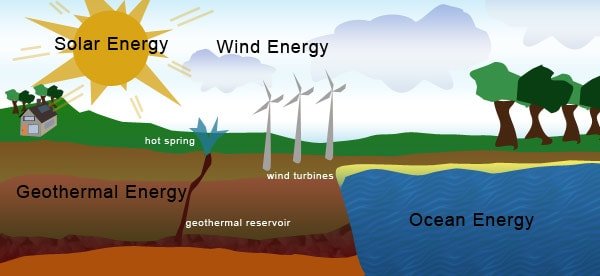
Solar energy harnesses sunlight through photovoltaic cells to generate electricity. One of its most compelling advantages is its sustainability; the sun’s rays are inexhaustible on a human timescale. Additionally, solar panels can be installed on rooftops, harnessing energy from otherwise unused space. Their ability to reduce electricity bills while making a minimal ecological footprint enhances their appeal.
However, solar energy is not without its shortcomings. The initial installation cost can be prohibitive; a substantial upfront investment is required. Furthermore, solar energy generation is intermittent, reliant on climatic conditions. On overcast days or during winter months, its efficiency wanes significantly, presenting a dependence on ancillary energy systems to maintain a continuous power supply.
Wind Energy
Wind energy is another stalwart in the renewable landscape, producing power through turbine rotation. One scant seen but undeniably advantageous feature of wind power is its low operational cost once installed. Wind farms can also coexist harmoniously with agricultural practices, allowing for dual land use. Moreover, wind is abundant in many regions worldwide, promoting energy independence from fossil fuels.
Conversely, wind energy has notable deficiencies. Wind turbines can generate noise pollution, which is often a point of contention in local communities. Additionally, the reliance on wind speed can lead to energy fluctuations. Birds and bats also face threats from turbine blades, which raises ecological concerns. This highlights a deeper dilemma: the balance between harnessing natural forces and preserving local wildlife.
Hydroelectric Energy
Hydroelectric power, generated by flowing water, has established itself as a robust energy source. The advantages are evident in its capacity for large-scale electricity generation and its ability to act as a baseload power source. Furthermore, hydroelectric plants can operate for decades, providing consistent and reliable energy with minimal emissions.
Yet, the construction of dams can have devastating ecological impacts, disrupting local ecosystems and displacing communities. Furthermore, reliance on hydroelectric systems is contingent upon geographical conditions and seasonal water flows, rendering it less feasible in arid regions or during droughts. These factors underscore a deeper ethical inquiry about balancing human needs with environmental conservation.
Geothermal Energy
Geothermal energy utilizes the Earth’s internal heat, presenting a virtually inexhaustible source of power capable of delivering a continuous energy supply. This energy’s efficiency is commendable and can contribute to lower greenhouse gas emissions. Unlike solar or wind, it is not bound by environmental factors such as day/night cycles or seasonal changes.
On the flip side, geothermal energy’s geographic limitation is a significant hurdle. It is primarily advantageous in regions with volcanic activity or hot springs, leaving vast portions of the globe without access. The initial costs associated with drilling and plant construction also remain high. Such intricacies beckon us to ponder the true potential of geothermal energy and its role in a diversified energy strategy.
Fossil Fuels
Turning to non-renewable energy sources, fossil fuels—comprising coal, oil, and natural gas—have historically dominated the energy landscape. Their chief advantage is the immense energy density and reliability they provide. Additionally, the existing infrastructure for extracting, refining, and distributing fossil fuels is already in place, offering a level of immediate accessibility that renewables currently struggle to match.
Nonetheless, the repercussions of fossil fuel reliance are dire. Emissions from burning fossil fuels contribute extensively to climate change, air pollution, and public health issues. The environmental degradation associated with extraction, such as oil spills and habitat destruction, paints a grim portrait of fossil fuel dependency. Here, we find a profound contradiction—modern society’s dependence on fossil fuels entangles us in a cycle of escalating environmental crises.
Nuclear Energy
Nuclear energy emerges as another complex player in the energy arena, generating power through nuclear fission. It emits minimal greenhouse gases during operation, which aligns with the quest for lower carbon footprints. The capacity for high-output energy generation makes it a reliable player in baseload power generation.
However, nuclear energy’s weaknesses are glaring. Concerns regarding safety, waste management, and the potential for catastrophic failures loom large in public discourse. The nuclear waste dilemma, involving the long-term storage of radioactive materials, presents an ethical challenge that cannot be overlooked. This forces us to confront a provocative question: can we truly balance the quest for powerful energy with the potential perils ingrained within its production?
In conclusion, the intricate tapestry of energy sources reveals profound trade-offs woven through societal needs, environmental stewardship, and technological innovation. As we survey this diverse energy landscape, it becomes increasingly evident that a holistic approach is essential. Emphasizing synergy among various energy forms may offer a viable path toward a sustainable future, calling for cooperative efforts grounded in purpose and a shared vision for the planet. Ultimately, it is this balance of investigation and respect for our environment that will chart the course for generations to come.