
Water conservation is not merely a personal endeavor; it is a global necessity. With alarming statistics depicting the dwindling freshwater resources across the globe, households have begun to recognize the importance of adopting water-saving measures. Herein lies a wealth of creative approaches to save water at home not only for the environment but also for your wallet, as reducing your water usage translates into lower utility bills.
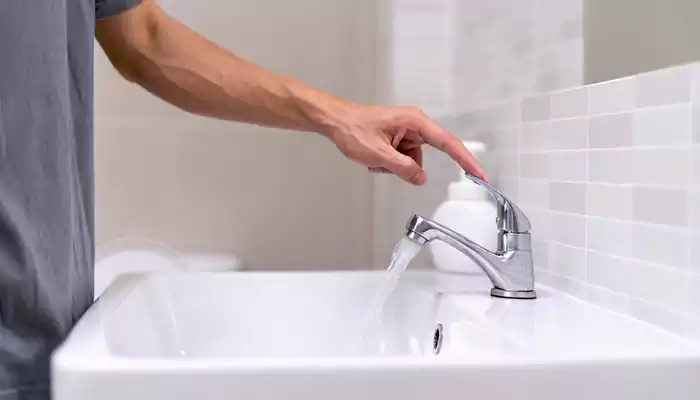
First and foremost, reevaluating daily habits can yield tremendous dividends. Consider this: how often do we leave the tap running while brushing our teeth? Instead, turning off the faucet during this routine task can save several gallons of water daily. Similarly, when washing hands, practice the same principle—you can simply wet your hands, apply soap, scrub, and then rinse off, all within a more mindful framework.
Another transformative practice involves showering. By opting for a shower instead of a bath, significant water savings can be achieved. However, if one must shower, an innovative approach is to install a low-flow showerhead. These devices can drastically reduce water flow without sacrificing water pressure, providing an invigorating cleanse while ensuring conservation. Moreover, setting a timer or challenging oneself to complete a shower within a certain time frame can foster awareness about water usage.
Water-Efficient Appliances
Modern technology plays a pivotal role in water conservation. Investing in water-efficient appliances can yield substantial long-term savings. Dishwashers and washing machines equipped with water-saving features can minimize water consumption while still delivering exceptional cleaning results. Opting for an Energy Star-rated appliance not only curbs water usage but also diminishes energy expenditures.
Consider that washing a full load in these machines utilizes less water than washing several smaller loads. This paradigm encourages a shift in mentality from frequency to efficiency. Aligning washing practices with this ideology promotes better resource management.
Rainwater Harvesting
For those with the means, establishing a rainwater harvesting system can be a game changer. This sustainable practice captures rainwater from rooftops, funneling it into storage tanks for later use. Rainwater can be employed in various applications such as watering gardens, washing vehicles, or even flushing toilets. The incorporation of rain barrels not only facilitates resourcefulness but also relieves pressure on municipal water systems.
Landscape Efficiency
Shifting focus to outdoor water usage, optimizing landscaping practices is paramount. Consider xeriscaping, which involves designing gardens that require minimal irrigation. By utilizing native plants that are adapted to local climates, you can cultivate a vibrant garden while dramatically reducing the need for supplemental watering. Additionally, group plants with similar watering needs together, creating microenvironments that encourage efficient water use.
In conjunction with xeriscaping, mulching is a simple yet effective strategy. A thick layer of organic mulch around plants can help retain soil moisture, reducing the frequency of watering. This not only helps plants thrive but also lessens the burden on outdoor irrigation systems.
Smart Irrigation Systems
For those utilizing irrigation systems, the implementation of smart irrigation technology provides an intelligent solution to outdoor watering challenges. These sophisticated systems can be programmed to water according to weather forecasts, ensuring that your yard receives only the hydration it truly needs. Some systems even incorporate sensors to detect soil moisture levels, preventing over-watering.
Complementing smart irrigation systems with drip irrigation methods can amplify conservation efforts. Drip irrigation delivers water directly to the plant roots, minimizing evaporation and runoff. This targeted approach not only conserves water but also fosters healthier plants.
Behavioral Adjustments
Awareness and mindful behavior play crucial roles in water conservation. Create a household water usage chart to track daily consumption. Involving all family members fosters a sense of responsibility and community within your home. Engaging in spirited discussions about water conservation can elicit enthusiasm and inspire creativity, leading to new, eco-friendly initiatives.
Additionally, opt for covered dish basins in which to wash produce. This enables you to reuse the water for other tasks, such as watering plants or soaking dirty dishes. Emphasizing multi-usage can significantly curtail unnecessary water wastage.
Bathroom Innovations
The bathroom is often a significant contributor to household water consumption, and with a few strategic modifications, savings can be realized. Consider installing dual-flush toilets that allow users to choose between a full flush and a reduced-volume flush. This simple alteration can save vast amounts of water, particularly in households with multiple residents.
Moreover, placing a water-filled plastic bottle in the toilet tank can displace a portion of the water, reducing the amount utilized with each flush. While this is a quirky yet effective method, ongoing advancements in toilet technology provide even more innovative solutions.
Conclusion
Implementing creative water-saving strategies within your home not only contributes towards environmental preservation but also offers significant financial benefits. By integrating technology, adopting mindful practices, and fostering community awareness, each household can make a profound impact. Every drop counts, and with commitment and creativity, the resolution to save water can transform from an individual effort into a widespread movement, securing water for future generations while ensuring a reduction in monthly bills.