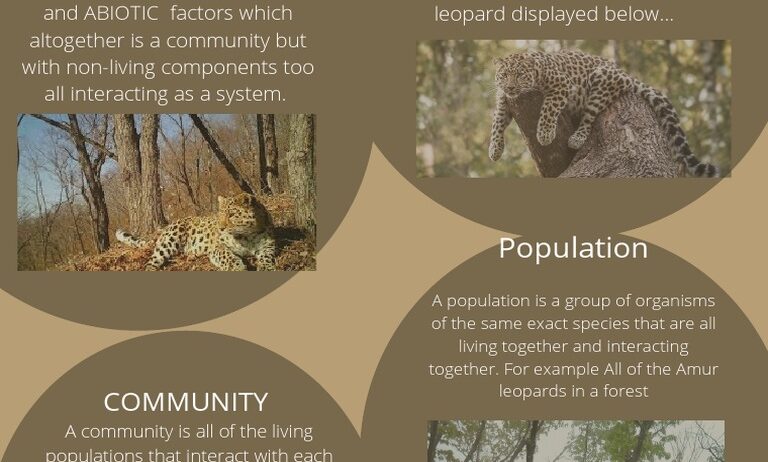

The Amur leopard, a ghost in the dimly lit forests of the Russian Far East and northeastern China, embodies resilience in the face of adversity. Like a solitary artist painting life onto an untouched canvas, the adaptations of this magnificent feline tell a vivid story of evolution and survival. Each characteristic, each instinctual behavior, serves as a brushstroke in a broader masterpiece of existence. This predator, one of the rarest big cats in the world, has honed its skills in a rugged and treacherous environment, showcasing an array of adaptations that allow it to thrive amidst formidable challenges.
One of the Amur leopard’s most striking adaptations is its luxurious, thick coat. This opulent fur, adorned with elegant rosettes, serves more than just a fashion statement. The dense undercoat keeps the leopard warm during bitter winter months, a natural insulation against the harsh cold. As snow blankets the earth, the Amur leopard becomes a spectral figure against a white backdrop, its unique coloration providing a remarkable form of camouflage. In the theater of the wild, survival often hinges on invisibility; hence, this coat acts as both armor and cloak, allowing the leopard to stalk its prey undetected.
Moreover, the Amur leopard’s enormous, padded paws act as snowshoes, enabling it to traverse the frigid terrain with relative ease. These wide, soft pads distribute its weight over the soft snow, minimizing the likelihood of sinking. This adaptation not only facilitates mobility but also enhances stealth, transforming the leopard into a silent predator, gliding like a whisper through its wintry domain. Each pawprint left behind serves as a reminder of its solitary journey, a testament to its tenacity and skill.
Beyond its physical traits, the Amur leopard showcases a remarkable behavioral adaptability. Equipped with a shrouded sense of caution, it expertly navigates its environment, demonstrating an acute awareness of both prey and predator alike. This instinctual wariness is akin to that of a seasoned diplomat, deftly maneuvering through complex social landscapes. The leopards are primarily nocturnal hunters, which is a strategic choice; hunting at night reduces competition and increases their chances of a successful catch. By adopting a lifestyle that aligns with the rhythms of the forest, the Amur leopard embodies the essence of adaptability.
When it comes to diet, the Amur leopard is a quintessential opportunist. It varies its meals based on availability; from roe deer to hares, its diverse diet showcases an adeptness that is essential for survival. Just as an artist experiments with different palettes, the Amur leopard adjusts its hunting techniques and prey selections, ensuring that it can thrive in an ever-changing ecosystem. This flexibility not only provides sustenance but also indicates an intelligent understanding of its territory and resources.
Then there is the keen eyesight, a defining trait that sets the Amur leopard apart. With vision adapted for both low-light conditions and keen distances, these big cats embody the essence of visionaries. Their ability to see in near darkness allows them to maintain an edge over their prey during nighttime hunts. This acute adaptation emphasizes the importance of perception in the survival game where a predator must envision the unseen.
Communication among Amur leopards is a symphony composed of subtle notes, a language rich in non-verbal cues. Through scent marking and vocalizations, they delineate territories and attract mates. The roars and growls resonate through the cold air, echoing in the silent woods. These sounds, much like the murmurs of nature itself, convey messages woven through the fabric of their existence, accentuating the importance of social interaction in an otherwise solitary life.
An equally essential survival mechanism lies in the leopards’ dexterous climbing abilities. Armed with long limbs and retractable claws, they effortlessly ascend tall trees, retreating from threats or storing their prey out of reach from scavengers. This arboreal advantage not only provides a safe haven but also expands the hunting grounds, allowing the Amur leopard to engage in an aerial ballet, where the tree becomes both sanctuary and vantage point.
It is worth noting that the Amur leopard’s adaptability is underscored by the challenges it faces, such as habitat loss and poaching. The creature’s plight serves as a poignant reminder of the fragility of nature’s intricate balance. As humans encroach upon their territories, the Amur leopard’s very survival hinges upon conservation efforts. Protecting this elusive being is not merely a legal obligation; it is a moral imperative, resonating with the interconnectedness of life on our planet.
In summation, the Amur leopard is more than just a remarkable predator. It is a symbol of resilience, a testament to the wonders of evolution manifested in a single creature. Each adaptation reflects the artistry of survival—fusion of physical prowess and behavioral nuance. As the Amur leopard prowls through the shadows of its forest realm, it captures the essence of adaptability. This feline is not merely surviving; it is thriving, a mesmerizing embodiment of the fight to exist in one of Earth’s most challenging habitats.