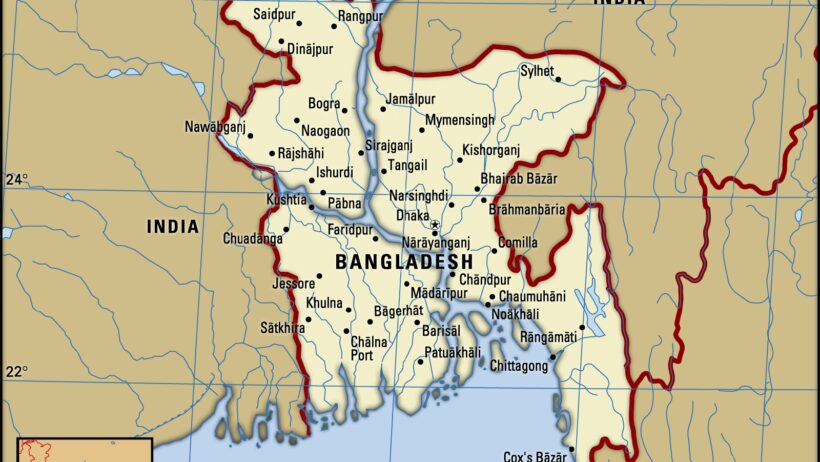

As the sun rises over the densely populated cities of Bangladesh, a persistent haze blankets the horizon. This atmospheric shroud, primarily attributable to vehicle emissions and fossil fuel combustion, has generated significant concern regarding public health and environmental sustainability. The juxtaposition of Bangladesh’s rapid urbanization with its pressing pollution challenges forms a complex narrative worthy of exploration.
In recent decades, Bangladesh has experienced an economic transformation that has spurred the proliferation of vehicles on its roads. From motorbikes to trucks, the transportation sector has burgeoned to accommodate the demands of a growing population and a shifting economy. However, this surge has not come without consequences. The reliance on fossil fuels—petroleum products predominantly—has resulted in an alarming increase in vehicular emissions.
The primary culprits of this pollution are the older, less efficient vehicles that dominate the streets. Many of these vehicles lack modern emissions control technologies, which exacerbates their pollutant output. According to environmental studies, these emissions include nitrogen oxides, carbon monoxide, particulate matter, and even volatile organic compounds—each contributing to the degradation of air quality and public health. When inhaled, these pollutants can precipitate a cascade of health issues, including respiratory diseases, cardiovascular problems, and even premature mortality.
Looking closer at the transportation infrastructure, it becomes evident that systemic issues compound the pollution problem. Poorly maintained roads and traffic congestion lead to increased idling times, which in turn escalates emissions. A car stuck in a traffic jam is not merely a nuisance; it is a source of mounting pollution—an all-too-common scene in Dhaka, where the vehicle-to-population ratio continues to soar. This congestion is symptomatic of larger developmental challenges, suggesting that urban planning has not kept pace with the rapid influx of vehicles.
In recent years, the Bangladeshi government has recognized the severity of this crisis, implementing initiatives aimed at mitigating vehicular emissions. One such initiative is the introduction of stricter emissions standards for newly manufactured vehicles. This policy shift aims to phase out older vehicles, particularly those that fail to meet contemporary emission norms, thereby reducing the overall environmental footprint of the transportation sector.
Additionally, public transport options have been enhanced in an effort to reduce reliance on individual vehicles. Efforts have been made to expand the bus and rail networks, but these projects often face challenges such as funding limitations and bureaucratic delays. It’s an ongoing struggle against the tide of individualism that car ownership represents in many developing nations, where a personal vehicle often signifies status and convenience.
Moreover, the role of fossil fuels extends beyond transportation. The energy sector in Bangladesh has also been heavily reliant on fossil fuels, particularly natural gas and coal. This dependency weaves a complex tapestry of challenges, as the burning of these fuels not only contributes to greenhouse gas emissions but also to local air quality deterioration. Transitioning to renewable energy sources, such as solar or wind, is imperative for alleviating this dual burden of climate change and pollution.
Institutional efforts to promote renewable energy are indeed in motion, but the transition is gradual. Bangladesh, with its geographical vulnerabilities to climate change, requires immediate action. Moving away from fossil fuel dependency is not just an environmental imperative; it is an existential necessity for a nation often on the frontline of climate impacts.
Addressing pollution in Bangladesh also necessitates a cultural shift. Public awareness campaigns highlighting the health risks of air pollution and advocating for the use of public transport or non-motorized transport (like bicycles) can shift societal norms. By fostering an intrinsic understanding of the environmental and health ramifications of excessive vehicle use, citizens may be more inclined to adopt sustainable practices.
Engaging the broader public in policy discussions is also crucial. Citizen participation has the potential to hold authorities accountable and ensure that environmental considerations remain at the forefront of urban planning. Advocating for green spaces, sustainable development, and better public transport options can enhance the quality of life for urban residents while concurrently addressing pollution concerns.
For international stakeholders, supporting Bangladesh in its battle against vehicular pollution and fossil fuel dependency is imperative. Climate financing and technology transfer can provide essential resources that allow Bangladesh to leapfrog to cleaner energy solutions. Collaborative efforts can foster innovations in public transportation and emission reduction technologies, ensuring that Bangladesh not only adapts but thrives in an evolving global landscape.
It is apparent that the narrative surrounding Bangladesh’s vehicle emissions and fossil fuel reliance is multifaceted and deeply interconnected. The challenges are daunting, yet the potential for change is palpable. Through concerted efforts at various societal levels—government, citizens, and international partners alike—there lies an opportunity to reshape the future. A future where clean air is not merely a dream, but a reality for every Bangladeshi.
As we peer into this complex situation, the richness of Bangladesh’s story unfolds—a tale of resilience amidst adversity, where the call for cleaner air becomes a collective mantra, echoing through the bustling streets and serene villages alike. The journey is long, but with every step, the horizon brightens.