


As summer unfurls its warm embrace, the world awakens to a symphony of heat, sun, and energy consumption. Just as mariners tune their sails to the shifting winds, homeowners must navigate the turbulent waters of electricity costs that surge during peak hours. These summer peak hours, the hours when demand for energy spikes, represent both a challenge and an opportunity. By understanding these times and implementing savvy strategies, one can master the art of energy conservation and sail smoothly through the scorching months, all while keeping costs at bay.
A hidden tempest brews between the hours of 3 PM and 7 PM during the summer months. This window, characterized by blaring heat and bustling activities, finds many households augmenting their consumption as air conditioning units hum tirelessly, pools exude refreshment, and appliances whir to life. These peak hours, much like high tide, bring about heightened strain on the electrical grid, and with them, a surge in rates. To comprehend the magnitude of this phenomenon, one must grasp two key elements: demand elasticity and tiered pricing.
When demand for electricity escalates, utilities often resort to non-renewable sources to meet consumer appetites, resulting in increased operational costs that are inevitably passed on to the consumer. Tiered pricing, a structure where costs escalate with rising consumption, amplifies the financial burden during peak hours. Thus, navigating this season requires an astute strategy that incorporates both awareness of these peak hours and innovative measures to curtail usage.
Imagine your home as a fortress, and the sun is the relentless invader laying siege during peak hours. To fortify your defenses, consider the adjustments you can make to reduce your energy burden. One potent strategy is to harness natural light instead of artificial illumination. By opening blinds and curtains during the day, you can invite the sun’s glow into your living spaces, minimizing the need for electric lights. As the sun dips below the horizon, transition to energy-efficient LED bulbs that not only save wattage but also emit less heat, ensuring a cooler environment at night.
Next, it’s essential to be mindful of your major electricity-consuming appliances. The laundry machine and the dishwasher, those unsung heroes of household chores, are often the culprits behind exorbitant energy bills. Shift laundry loads to the morning hours before the peak hits. This not only lessens the load on the grid but also prevents your home from becoming an unnecessary oven during the sweltering afternoons. Similarly, embrace the art of hand-washing dishes after meals when the sun’s oppressive glow has abated, thus avoiding the dishwasher’s heat generation during peak time.
Furthermore, the saharan heat of a summer day can lead many to rely heavily on their air conditioning systems. However, this reliance can be mitigated through several savvy techniques. Apply window treatments designed to reflect sunlight and insulate your home. Energy-efficient window films or reflective shades act like an impenetrable barrier against heat invasion. Adding a small fan can also alleviate the pressure on your air conditioning unit; often, a well-positioned fan can make you feel several degrees cooler, ensuring comfort without excessive use of energy.
For those with outdoor spaces, plan your activities around peak hours; this can be an excellent way to engage with the world while simultaneously aiding your budget. Host evening barbecues instead of midday cookouts, and relish in the cooler evening breeze while saving on energy costs. Embrace communal evenings outdoors, allowing family and friends to soak in the summer beauty while reducing electric usage indoors.
In addition to altering habits within your abode, consider the role of technology in your endeavor to reduce costs. Smart home technology serves as a silent guardian of energy efficiency. Programmable thermostats allow you to designate specific settings during peak hours, ensuring your cooling systems do not run rampant when times get tough. These devices enable pre-cooling your home to a comfortable temperature before peak hours strike, allowing you to stay cool while remaining energy-savvy.
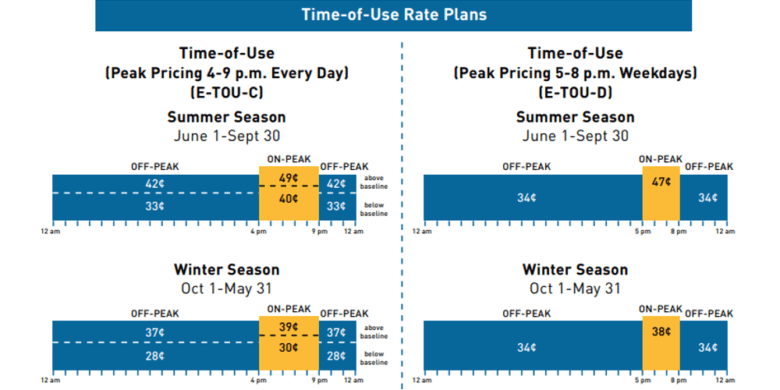
Another innovative realm to explore is time-of-use rates offered by many utility companies. By adjusting your consumption patterns to align with lower-cost hours, you can save significant amounts. This requires a change in mindset akin to the rhythm of nature; like a willow bent by the wind, flexibility surrounding your energy usage can lead to profound benefits.
Finally, foster a community of accountability with your neighbors. Sharing tips and strategies around peak hour reductions can inspire collective efforts toward lowering energy consumption. Local community boards or online neighborhood groups often become powerful platforms for exchanging information and experiences, guiding one another toward effective solutions. Don’t shy away from group energy programs or local initiatives centered on sustainable living—collaboration often yields richer results than solitary endeavors.
The summer months, with their blazing sun and ceaseless energy demands, can indeed feel overwhelming. Yet, by arming yourself with knowledge, implementing smart strategies, and fostering community, it is possible to navigate these peak hours with grace. Each small effort—whether it be an adjustment in timing, a shift in habits, or the incorporation of technology—cumulatively heads toward decreasing not only your electricity costs but also the strain on our invaluable planet. So as the sun rises high and the days grow long, let your preparation be your shield against the surging tide of summer electricity costs.