
As the holiday season envelops households in a warm embrace of festivity, the choice of the Christmas tree remains central to the celebratory décor. Among the perennial debate regarding the merits of real versus artificial trees, one salient question surfaces: are fake Christmas trees a fire hazard? This inquiry resonates deeply, given the seasonal fervor that often overlooks crucial safety considerations. In this exploration, we will elucidate the potential risks associated with artificial Christmas trees while providing practical safety tips to ensure a joyful yet secure holiday experience.
The fascination with Christmas trees runs deep in cultural traditions, invoking feelings of nostalgia and joy as families gather to decorate and celebrate together. The artificial tree has become a beloved option for many, offering convenience and reusability. However, it is imperative to unravel the complexities surrounding fire safety. While some may perceive artificial trees as a safer alternative, they come with their own set of hazards.
One inherent risk associated with fake Christmas trees lies in the materials from which they are constructed. Most artificial trees are fabricated from polyvinyl chloride (PVC) or polyethylene (PE), both of which are flammable. While the fire hazard is often less pronounced compared to natural trees, especially when properly maintained, the risk is not negligible. Over the years, the manufacturing processes have improved significantly, leading to the advent of more fire-resistant artificial trees. Nevertheless, it is vital to scrutinize the labels and purchase trees that conform to strict safety standards, which often incorporate flame-retardant materials.
The risk increases dramatically when individuals neglect the condition of their artificial trees. Many families store their decorations in attics or basements, which can expose them to moisture and critters. This is where it gets interesting: while one might assume that a fake tree is immune to decay, the truth is that degradation can occur, especially if the tree is not properly cared for. Frayed wires and damaged components, often concealed within the lush branches, can create perilous situations when adorned with lights, leading to electrical hazards and fire outbreaks.
Furthermore, the festive embellishments themselves can exacerbate these risks. Strings of lights, a quintessential element of Christmas décor, are notorious for sparking fires if not handled with due diligence. It is essential to inspect all wire connections for wear and tear before decorating. Additionally, using lights that are rated for indoor usage and certified by recognized safety organizations can further mitigate risks.
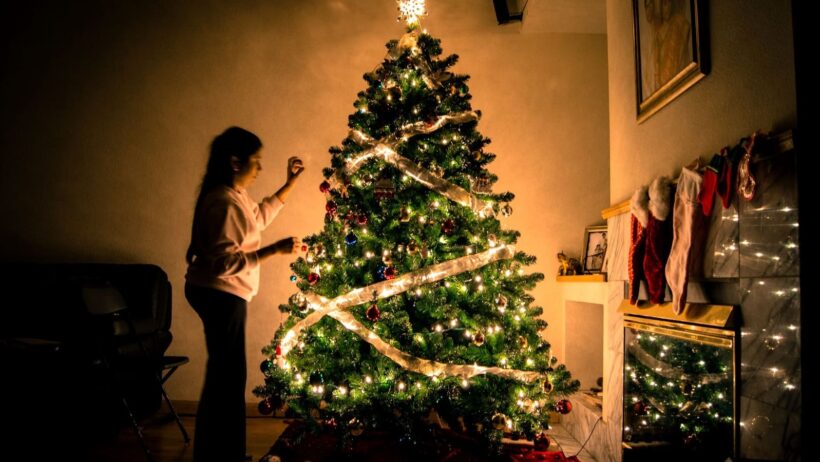
Now, let’s address an often-overlooked aspect: proper placement of the Christmas tree within the home. The positioning of the tree is not merely a question of aesthetics—it plays a critical role in fire safety. Artificial trees should be placed at least three feet away from any heat sources, such as fireplaces, radiators, or heating vents. This ensures that they are not exposed to extreme temperatures, which could ignite flammable materials.
Additionally, ensuring that the tree is stable is another important safety measure. A top-heavy tree can easily tip over, especially when decorated with heavy ornaments. Anchor the tree securely to a wall or base to prevent accidents that could lead to fire hazards or physical injury.
Moreover, maintaining vigilance over the lighting is crucial throughout the holiday season. Avoiding the overloading of electrical outlets can greatly reduce fire risk. Using a timer for lights can also provide peace of mind, ensuring that they are not left on unattended for extended periods. When it comes time to decorate, using LED lights is highly advisable, as they generate far less heat compared to traditional incandescent bulbs.
After the holiday celebrations subside, the safe disposal of the artificial tree is equally important. Many individuals are unaware that improperly discarding old trees can pose environmental hazards as well as safety concerns. Broken branches or wires can create hidden dangers in the home. If the tree is no longer functional, consider donating it to a local charity or recycling program that may repurpose the materials effectively.
In the growing discourse on sustainability, the environmental implications of artificial versus real trees provoke thought and introspection. While some argue that natural trees are more eco-friendly due to their biodegradable properties, the longevity and reuse of an artificial tree can be advantageous. Choosing to invest in a high-quality tree means it may last for many years, reducing waste and environmental impact overall. However, if the tree’s lifespan is reached, ensuring its environmentally responsible disposal becomes essential.
In summation, while artificial Christmas trees can present fire hazards, proper precautions and mindful practices can mitigate these risks significantly. Emphasizing the importance of material safety ratings, vigilant maintenance, strategic placement, and responsible disposal enables us to cultivate a holiday atmosphere that is both joyous and secure. By intertwining safety with tradition, we not only honor the festivities but also safeguard our homes and loved ones, creating a memorable Christmas season for all.