
The Great Barrier Reef, a UNESCO World Heritage site, is not merely an iconic natural wonder; it is a veritable treasure trove of biodiversity that flourishes in the vibrant waters off northeastern Australia. However, this fragile ecosystem is intricately intertwined with the climatic conditions of the region. Understanding the seasonal conditions that envelop the reef is critical to appreciating its immense ecological value and the pressing threats it faces. This exploration promises to shift your perspective on climate, inviting curiosity and contemplation about the resilience of this natural marvel.
At the heart of the climate dynamics of the Great Barrier Reef is the tropical climate that characterizes its surroundings. Predominantly categorized as a coral reef ecosystem, the region experiences distinct wet and dry seasons, each imprinting its own unique attributes on the aquatic environment. During the wet season, which stretches from November to April, heavy rainfall and thunderstorms intersperse the atmosphere, inducing nutrient influx into the marine system. This vigorous precipitation invigorates the reef, facilitating the growth of phytoplankton at the base of the food web.
Contrasting with the wet season, the dry season, occurring from May to October, unveils a different environment altogether. Temperatures are typically balmy, and humidity levels drop, providing respite from the oppressive heat. This transformational phase beckons marine life to thrive in its own right. While the sunny days may entice tourists and divers alike, they also bring a crucial ecological interaction: clearer waters emerge as sediment is diminished, creating a pristine habitat for corals and enabling the intricate dance of light through the water column.
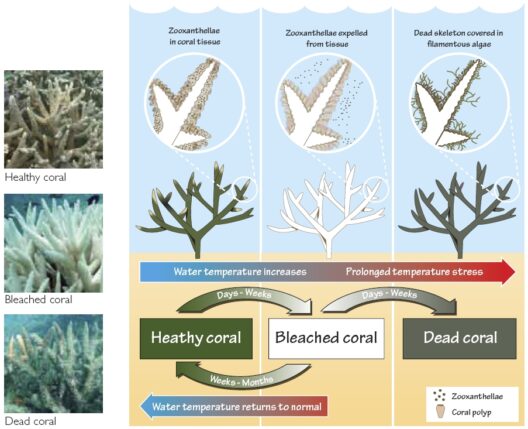
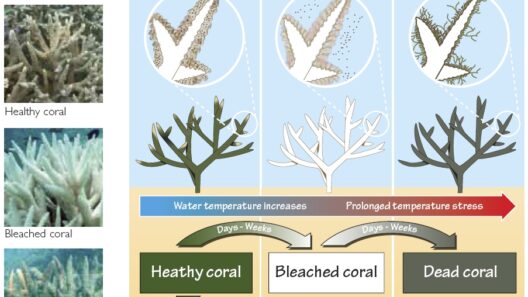
Temperature fluctuations also play a significant role in the intricate ballet of life within the reef. Throughout the year, temperatures can vary between 18°C (64°F) and 30°C (86°F). During the warmer months, the rise in sea temperatures can lead to phenomenon such as coral bleaching—an insidious process where corals expel the symbiotic algae living in their tissues. If elevated temperatures prevail for a protracted period, the potential ramifications for the marine ecosystem can be dire. The repercussions of bleaching events reverberate beyond individual species; entire communities can be displaced, leading to dramatic shifts in biodiversity.
However, corals are not mere subjects of environmental vulnerability; they are inherently resilient organisms. Some coral species possess the remarkable capacity to adapt to thermal changes, emphasizing an underexplored narrative of hope amid concern. Understanding these natural adaptations can pivot our perceptions of climate change, not solely as a harbinger of doom, but as a catalyst for evolution within vulnerable populations. It is crucial to delve deeper into the long-term effects of shifting temperatures and the potential for resilience in the face of adversity.
Climate variability in the Great Barrier Reef also encompasses hydrological dynamics. Ocean currents influenced by seasonal winds dictate the movement of warm and cold water masses, instigating interactions that affect marine life’s distribution. The East Australian Current, for instance, is a warm current that sweeps down the coast, bringing with it tropical species which may not originally inhabit temperate reef zones. This infusion of diversity enriches the ecological fabric of the reef, yet also alters competition dynamics among resident species. These movements warrant diligent study, as they encapsulate an ongoing narrative of adaptation and competition.
Precipitation levels during the wet season can have far-reaching impacts beyond just nutrient influx. Runoff from land, often laden with sediments and pollutants, can smother coral reefs, inhibiting their growth and leading to deleterious consequences for the marine inhabitants. Addressing land-based factors like urban runoff and agricultural practices is paramount in fostering a healthful environment for the reef. Innovative strategies promoting sustainable land use can ameliorate these threats and serve to protect the delicate balance of this underwater kingdom.
The interplay between climate, ocean currents, and seasonal shifts is further impacted by human-induced climate change. The phenomenon of ocean acidification, resulting from increased carbon dioxide emissions, alters the capacity of marine organisms to produce calcium carbonate, essential for coral growth and stability. The cascading effects this has on reef structure and the myriad organisms residing within it beckon a deeper understanding. Investing in scientific research that elucidates these processes is critical to developing adaptive management strategies.
In recent years, the urgency of climate action has taken center stage, with the Great Barrier Reef serving as an emblem for conservation efforts. Activists, scientists, and policymakers must unite to advocate for initiatives and policies that mitigate climate impacts and promote restoration. By fostering a dialogue that embraces not only the vulnerabilities but the resiliencies of marine ecosystems, we can galvanize collective action for a sustainable future.
In conclusion, the seasonal conditions of the Great Barrier Reef unveil a complex tapestry of life governed by climatic factors. From the pulsing rhythms of wet and dry seasons to the intricacies of temperature fluctuations and hydrological dynamics, the reef presents a narrative worthy of exploration. As the global conversation on climate change continues, it is our shared responsibility to heed the lessons illustrated by this natural wonder. In doing so, we can cultivate a profound appreciation for the resilience and beauty of the Great Barrier Reef, ensuring its preservation for generations to come.